

Respect works better
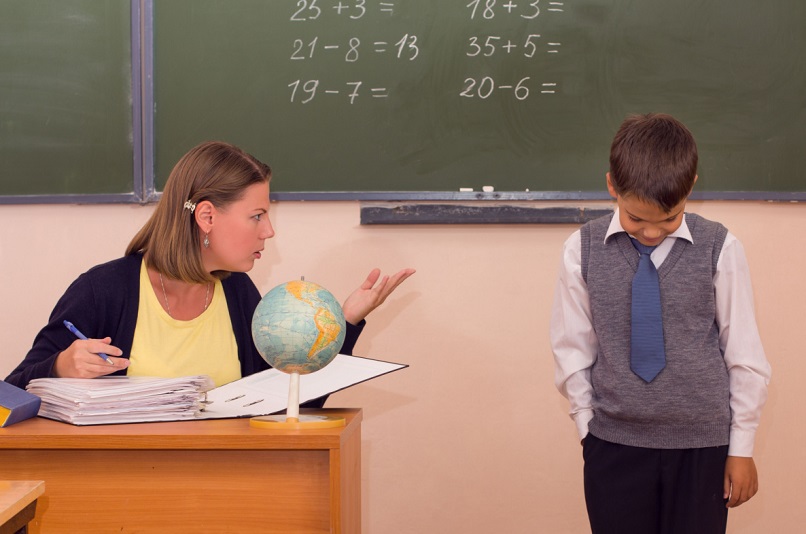
There is an important difference between a student respecting a teacher’s authority and a student being afraid of the teacher.
Respect can encourage students to listen because they recognise the teacher’s role and value their guidance. Fear, on the other hand, may produce immediate obedience but can weaken trust and openness.
This distinction is especially important as students grow older. Younger children may respond quickly to authority, but adolescents increasingly need opportunities to ask questions, express disagreement appropriately and understand the reasons behind expectations.
A teacher who says, “This is the rule, and here is why it matters,” creates a different relationship from one who communicates, “Do this because I said so, and you will be punished if you do not.”
The first approach still establishes authority. However, it gives students an opportunity to understand expectations and develop responsibility. The second may encourage compliance, but it can also teach students to behave only when the authority figure is present.
This has implications beyond the classroom. Education should help students develop judgement, self-discipline and the confidence to make responsible decisions. Students who only behave because they fear punishment may struggle when external supervision disappears.
Teachers can therefore be firm without being frightening. A student who disrupts a lesson may need to be corrected. A student who refuses to complete an assignment may need a consequence. A class that becomes disorderly may need stronger boundaries. None of these situations requires humiliation.
The manner in which correction is delivered matters. A private conversation can sometimes achieve more than publicly embarrassing a student. Explaining what behaviour was unacceptable and what is expected next can also teach accountability more effectively than simply expressing anger.
This does not mean teachers must become overly permissive. In fact, students often benefit from predictable boundaries. The key is consistency. When students know what is expected and understand that consequences are fair, they do not need to live in fear of unpredictable reactions.
Positive teacher-student relationships also do not mean that every student must like every teacher. A teacher can be demanding, serious and academically rigorous while still being approachable. Students can respect a teacher who challenges them without feeling that they will be humiliated whenever they struggle.
The OECD’s recent work reinforces this point. Its PISA 2022 analysis found that positive student-teacher relationships, effective classroom discipline and student persistence are all associated with stronger teacher support. This suggests that classroom order and positive relationships can work together rather than being competing goals.
Parents also have a role in this conversation. If a child repeatedly says they are afraid of a teacher, the response should not automatically be, “Your teacher is your teacher, so you must obey.” There should also be room to understand what the child means by fear.
A student might be afraid because the teacher has high expectations. That is different from being afraid because the teacher regularly humiliates, threatens or intimidates students. Listening carefully can help parents distinguish between ordinary discomfort associated with academic demands and a genuinely harmful classroom experience.
Schools, too, need channels through which students can safely raise concerns. A student who believes that reporting a teacher will lead to retaliation may remain silent. Clear safeguarding and reporting structures can help ensure that concerns are examined fairly rather than ignored.
Ultimately, the goal is not to create classrooms without authority. It is to create classrooms where authority and trust can exist together.
A teacher’s influence becomes more meaningful when students can approach them with a question, admit that they do not understand something and attempt an answer without expecting humiliation. This kind of environment does not remove academic challenge. Instead, it gives students the psychological room to engage with that challenge.
Students will make mistakes. They will sometimes misbehave. They will occasionally fail to meet expectations. Teachers will also have difficult days and demanding classrooms. None of these realities can be eliminated from education.
What matters is the relationship built around them. When students are afraid of their teachers, they may become quieter, but quieter does not necessarily mean more engaged. They may obey, but obedience does not necessarily mean understanding. They may produce work, but completing work does not necessarily mean that meaningful learning has taken place.
Conclusion
A healthier classroom allows teachers to be firm while remaining fair, approachable and respectful. It allows students to understand that consequences exist without making them afraid to ask questions. It treats mistakes as opportunities for correction rather than occasions for humiliation.
Education works best when students are not merely controlled into sitting still but encouraged to participate in the learning process. A teacher’s authority is important, but the strongest classrooms are often those in which students respect that authority without being afraid of the person who holds it.
Discover more from NAIRAVOICE.COM.NG
Subscribe to get the latest posts sent to your email.