
Sagar Risal has found plenty to like about company-sponsored social events.
They’ve helped him open up to coworkers, meet people outside his immediate team, and celebrate shared successes, said Risal, a 25-year-old who works in financial technology in New York City.
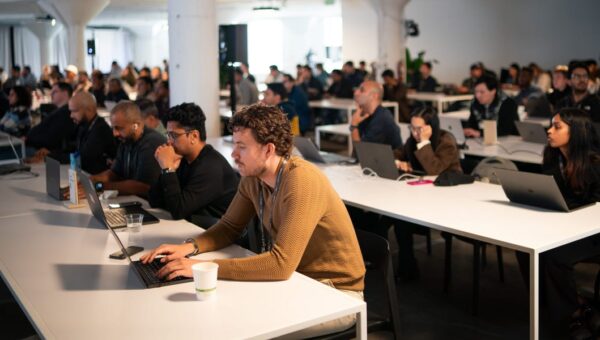
But they still feel different from spontaneously grabbing drinks with a few colleagues after work. “At a non-company-sponsored event, it’s usually with coworkers that you choose to hang out with,” Risal told Business Insider. “With work events, it’s the entire company that’s there.” While Risal’s employer mostly throws holiday parties, other companies are going further to bring their workers together, organizing experiences ranging from barbecues and line dancing to custom hat making and high-intensity workouts.
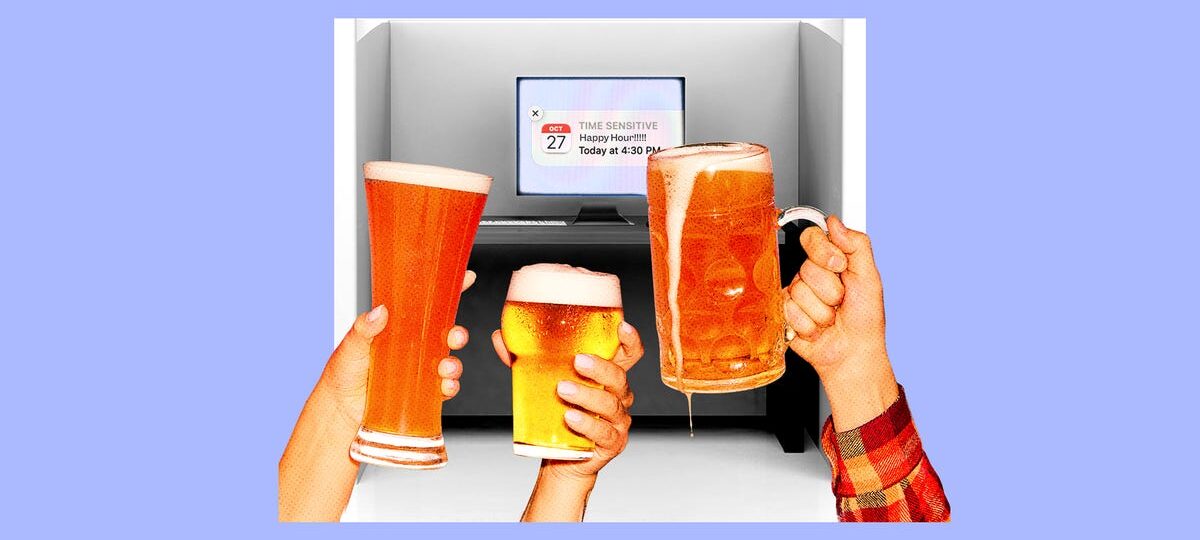
These increasingly elaborate events are part of Corporate America’s attempt to revive a fading after-work ritual: the happy hour.
The time-honored tradition was once seen as affordable, casual, and spontaneous, but now rising prices, hybrid work, and changing social habits have made these informal gatherings harder to sustain.
Now, for better or worse, some employers are trying to create a replacement.
Happy hour’s biggest selling point used to be the prices.
When happy hour rose to prominence in the mid-20th century, cheap food and drink deals were always integral to its cultural status.
One 1951 newspaper ad for a café in Los Angeles advertised 25-cent cocktails — $3.22 in today’s money — from 5 p.m. to 6 p.m.
The discounts that defined happy hour may no longer feel like much of a deal.
Datassential found that among roughly 800 beer drinkers surveyed in 2026, happy hour attendance decreased by 9% from the previous year, while nearly two-thirds said they paid full price for drinks — an increase of 7%.
This comes amid a broader rise in alcohol prices.
The average price of an alcoholic drink purchased in a bar, restaurant, or club in the US has increased by more than 25% since just before the COVID-19 pandemic and by more than 75% since 20 years ago, according to the Bureau of Labor Statistics.
As bar prices rise alongside other cost-of-living increases, modest discounts like $1 off a beer may no longer make an after-work drink feel particularly affordable.
Morgan Kulessa, co-owner of Wing Bar in Jersey City, New Jersey, said that in a world of cocktail prices that “would send anyone into a coma,” cheap drinks aren’t even the central draw anymore. “It’s rare that people are truly looking for a happy hour,” Kulessa told Business Insider, noting that, in her experience, many people instead prioritize proximity and atmosphere when looking for bars.
The pandemic also changed how people approach their time outside the home, making an impromptu drink after work feel like a bigger commitment.
Heidi Precob, a senior event sales manager at BoomPop, a nationwide corporate event planning firm based in San Francisco, said that in the age of remote and hybrid work, leaving the house for a happy hour is a “bigger ask.” “That time and energy investment is really important to people now,” she said.
In Kulessa’s experience, even when employees are required to return to the office, it still doesn’t always translate to people filling up the bar straight after work.
She estimates that about 80% of her regulars have returned to the office nearly every day, and those who get off work at 5 p.m. often appear at around 7:30 p.m. or later, rather than heading straight there. “Even if you leave the office at 5, how realistic is it for you to be at the bar at 5:01?” Kulessa said. “People want to go home, drop their bag off, maybe even shower.
I consider them my second seating.” As some workers have moved away from spontaneous happy hours, employers have stepped in to design new types of events that could serve as their replacement.
Precob said companies are looking to create experiences beyond “run-of-the-mill events” and are taking an active role in planning in an effort to try and get employees to connect.
While typical happy hours are still popular among BoomPop’s clients, Precob said, hybrid events — the pairing of alcohol and an activity — are on the rise.
Activities like custom hat making, line dancing, and company barbecues amount to what she calls “the evolution rather than the decline” of the company happy hour.
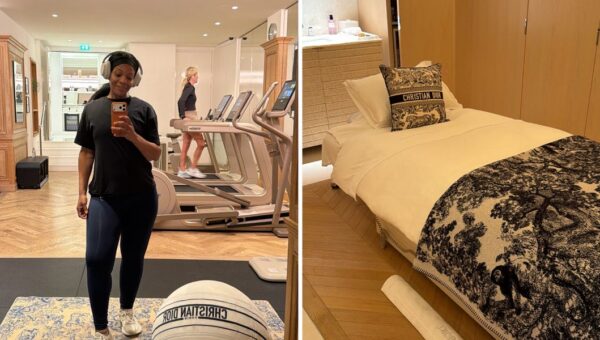
Other companies are cutting alcohol entirely and looking to other areas, such as fitness, to meet their team-bonding needs.
Barry’s, a fitness chain that specializes in high-intensity workouts, previously told Business Insider it saw a 55% increase in corporate bookings from 2024 to 2025. “Just kind of throwing them in a room together and hoping some magic happens isn’t really the answer anymore,” Precob said.
Companies are looking for an experience, “designed layer by layer,” because it makes employees more likely to attend future events.
Precob also said most of BoomPop’s clients — including tech giants, software developers, and commerce platforms — plan events at least three months in advance, or often up to a year beforehand.
Employees typically get weeks or months to mark the occasion in their calendars.
But having companies take on the role of social organizer can come with additional baggage.
Kulessa noted a difference between an informal, after-work beer between coworkers and a company-sponsored event.
When her bar has hosted corporate events, the atmosphere felt more rigid than usual, she said. “People can really keep it zipped up when it’s hosted by your job,” she added. “Nobody wants to get too drunk and embarrass themselves at the company happy hour.” For Risal, even though company parties have felt looser than typical workplace interactions, he still feels that social walls between colleagues aren’t completely down. “I do feel there is still definitely a sense of censorship just when you talk because these are all people that you work with and have to see throughout your career,” Risal said, adding, “These are still your coworkers, and you need to have some level of decorum.” Other employees echoed these sentiments.
One office worker in the PR industry told Business Insider that attending her office’s regular happy hours feels like an “unspoken rule.” Earlier this year, she canceled existing plans to attend one because she knew senior colleagues would be there, and she said that she’s often conscious of leaving her company’s events too early.
Whether companies’ open bars and carefully crafted experiences can truly replicate what Kulessa calls “two desk mates grabbing a beer around the corner after work” remains to be seen.
For Risal, an impromptu after-work drink away from the office can blur the line between friend and coworker in a way a company event rarely does. “It’s pretty much like going out with your friends from work,” he said. “It’s like they’re not your coworkers, even though they still are.” He added, “It’s a very different dynamic than being at a company happy hour.”
Discover more from NAIRAVOICE.COM.NG
Subscribe to get the latest posts sent to your email.