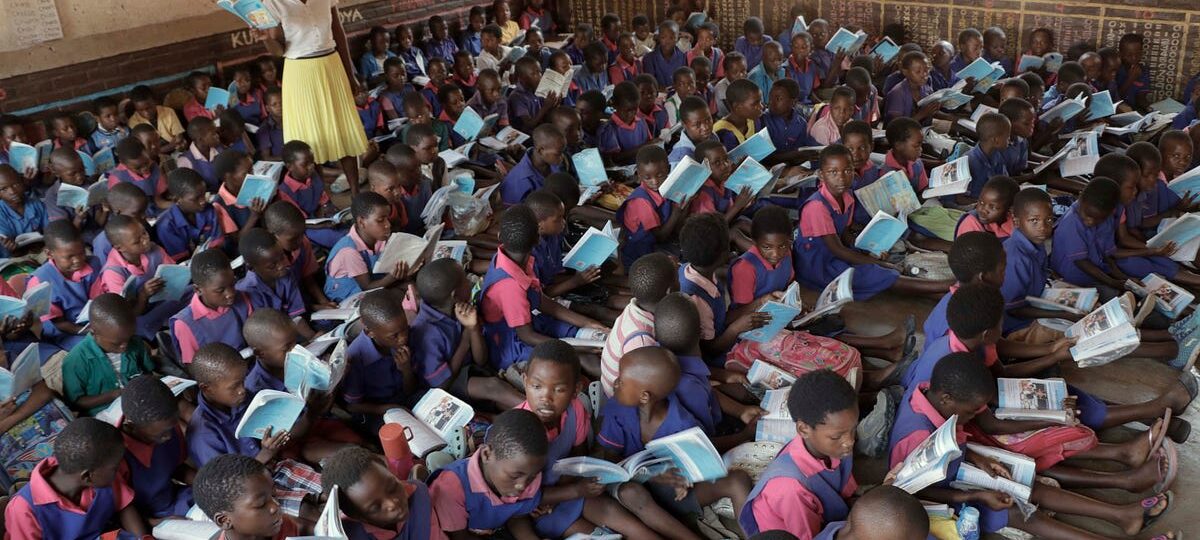
Effective of too many students in class
Assessment also becomes increasingly burdensome. Imagine a teacher responsible for marking assignments, tests and examination scripts for more than 300 students across several classes. Providing detailed, constructive feedback to every learner becomes almost impossible within reasonable timeframes. As a result, assessments may focus primarily on assigning scores rather than identifying learning gaps or guiding academic improvement.
This workload inevitably affects teachers themselves. Constantly managing overcrowded classrooms can lead to stress, emotional exhaustion and professional burnout. Many educators enter the profession with enthusiasm and a desire to inspire young minds. However, prolonged exposure to overwhelming workloads may gradually reduce job satisfaction and diminish the energy required to deliver engaging lessons consistently.
The hidden impact on students’ learning and development
While teachers undoubtedly experience significant challenges, students are perhaps the greatest victims of overcrowded classrooms. The effects extend beyond examination performance to influence confidence, behaviour, communication skills and overall educational experiences.
One of the most immediate consequences is reduced individual attention. Every classroom contains students with different learning abilities. Some grasp new concepts quickly, while others require additional explanations and encouragement. In smaller classes, teachers can identify struggling learners early and provide targeted support. However, in overcrowded settings, quieter students often disappear into the crowd. They attend lessons regularly yet receive little personalised guidance because the teacher’s attention must be divided among so many learners.
This situation particularly disadvantages students with learning difficulties or disabilities. Inclusive education depends on teachers recognising individual needs and adapting instruction accordingly. Overcrowded classrooms make such adjustments extremely difficult, leaving vulnerable learners at greater risk of falling behind academically.
Moreover, overcrowding discourages active participation. Many students become reluctant to ask questions in classrooms where hundreds of classmates are listening. Fear of embarrassment, combined with limited opportunities to speak, means misunderstandings often remain unresolved. Instead of developing confidence in expressing ideas, learners may adopt passive learning habits, listening silently without fully engaging with lesson content.
Practical subjects are equally affected. Science education, for instance, depends heavily on laboratory experiments and hands-on learning experiences. Yet practical sessions become difficult when dozens of students compete for limited equipment and laboratory space. Rather than conducting experiments themselves, many learners simply observe demonstrations from a distance. This weakens conceptual understanding because scientific knowledge is best developed through active investigation rather than passive observation.
Additionally, overcrowded classrooms can contribute to increased bullying and behavioural problems. Monitoring interactions among large numbers of students is considerably more difficult, creating opportunities for negative behaviours to occur unnoticed. Victims may hesitate to report incidents, particularly when teachers already appear overwhelmed by other responsibilities.
Academic performance is also influenced by environmental factors. Research has consistently shown that crowded learning spaces can reduce concentration, increase noise levels and limit meaningful engagement with instructional materials. Students may become distracted more easily, especially when classrooms are poorly ventilated or excessively hot, conditions that remain common in many public schools across Nigeria.
Beyond academics, overcrowding influences emotional wellbeing. Learning environments should make students feel valued, seen and supported. However, when learners perceive themselves as anonymous faces in a crowded classroom, their sense of belonging may diminish. This emotional disconnect can gradually reduce motivation, school attendance and enthusiasm for learning.
Addressing overcrowding
Although overcrowded classrooms present serious challenges, they are not insurmountable. Addressing them requires coordinated action involving government, educational authorities, communities and development partners working together to improve both access and quality simultaneously.
The most obvious solution involves expanding educational infrastructure. Building additional classrooms remains essential in communities where existing facilities no longer reflect current enrolment levels. However, infrastructure development must keep pace with population growth rather than responding only after overcrowding has become severe. Educational planning should anticipate future enrolment trends to ensure that new schools and classroom blocks adequately serve growing communities.
Equally important is increasing the recruitment and retention of qualified teachers. Smaller class sizes cannot be achieved through additional classrooms alone if there are insufficient educators to teach them. Nigeria continues to face teacher shortages in several states, particularly in rural communities. Investing in teacher recruitment, competitive remuneration and continuous professional development would reduce workloads while improving instructional quality.
Technology may also offer complementary solutions where appropriate. Digital learning platforms, blended instruction and classroom technology can support teaching in certain contexts, particularly at secondary and tertiary levels. Nevertheless, technology should not be viewed as a substitute for qualified teachers or adequate classroom infrastructure. Instead, it should enhance learning opportunities where resources permit.
School leadership also plays a significant role. Principals who effectively organise timetables, allocate teaching responsibilities strategically and maintain supportive relationships with teachers can reduce some operational pressures associated with large enrolments. Likewise, collaboration among teachers allows sharing of instructional strategies that improve classroom management within challenging environments.
Communities have important contributions to make as well. Parent-Teacher Associations, local organisations and private sector partners frequently support classroom construction, furniture provision and school improvement projects. Such partnerships demonstrate that addressing educational challenges requires collective responsibility rather than relying solely on government intervention.
Furthermore, education policies should continue emphasising quality alongside access. Expanding enrolment remains commendable because every child deserves educational opportunities. However, increased access must be accompanied by investments that preserve learning quality. Otherwise, classrooms become more crowded without necessarily producing better educational outcomes.
Teacher welfare deserves particular attention. Educators managing exceptionally large classes require adequate support through professional training, counselling services and manageable workloads. Recognising the complexity of their responsibilities encourages greater motivation and improves retention within the profession. After all, educational reforms cannot succeed without teachers who feel valued and empowered to perform their roles effectively.
Finally, public awareness is essential. Overcrowded classrooms should not become accepted as unavoidable features of Nigerian education. Rather, they should be recognised as indicators of growing demand for education that require thoughtful planning and sustained investment. Every child deserves opportunities to learn in environments where teachers have sufficient time, resources and space to support individual development.
Conclusion
The reality of managing overcrowded classrooms in Nigerian schools reflects both the country’s educational progress and its continuing challenges. On one hand, increasing enrolment demonstrates growing recognition of education’s importance among Nigerian families. On the other hand, expanding access without equivalent investment in infrastructure, teaching personnel and learning resources places enormous pressure on schools, teachers and students alike.
Teachers working in overcrowded classrooms display remarkable resilience every day as they strive to educate large numbers of learners despite limited resources. Their dedication deserves recognition. However, commitment alone cannot overcome structural challenges that require systemic solutions. Sustainable improvements depend on long-term investments in classrooms, qualified teachers, educational planning and supportive learning environments.
Students, meanwhile, deserve more than physical access to schools. They deserve classrooms where they can ask questions confidently, receive meaningful feedback, participate actively in learning and build strong relationships with teachers who have sufficient time to support their academic growth. Quality education is measured not only by enrolment statistics but by the experiences and outcomes of learners within the classroom.
As Nigeria continues expanding educational opportunities for its rapidly growing population, addressing classroom overcrowding must remain a national priority. Creating learning environments that support effective teaching and meaningful student engagement will require patience, collaboration and sustained commitment. However, the rewards are substantial. Smaller, better-managed classrooms produce not only stronger academic outcomes but also more confident learners, healthier teachers and a stronger education system capable of preparing young Nigerians for the opportunities and challenges of the future.
Discover more from NAIRAVOICE.COM.NG
Subscribe to get the latest posts sent to your email.