

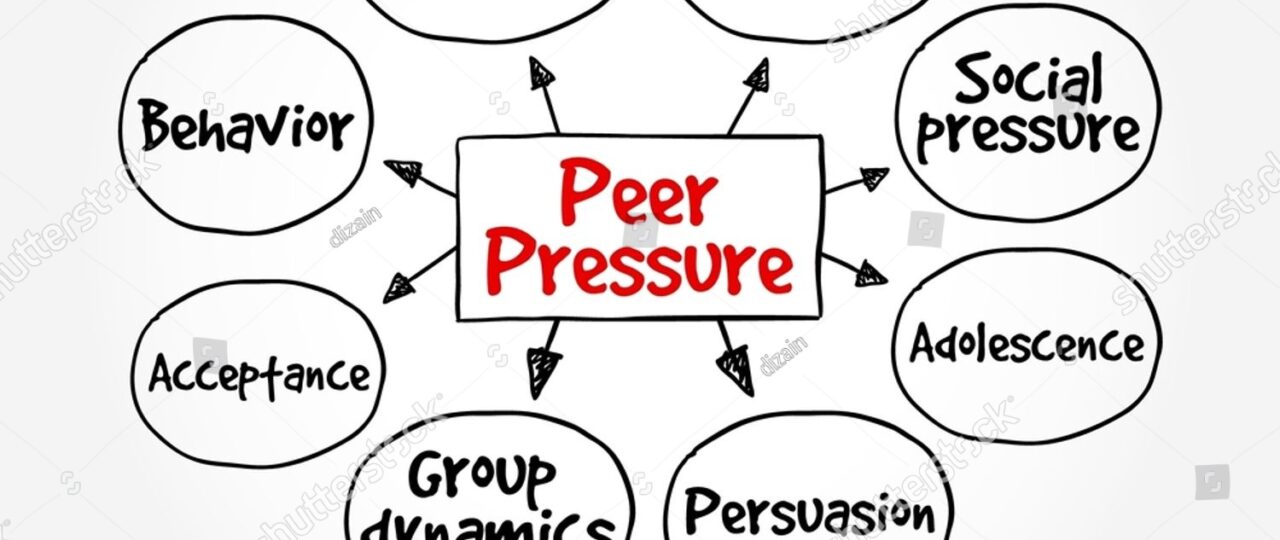
- Peer Groups Help Shape Identity
School is one of the places where young people begin discovering who they are.
During this stage, students experiment with different interests, hobbies, personalities, and ambitions. Friends often influence these choices by introducing new ideas, activities, and perspectives.
If a student’s peer group values education, discipline, and ambition, they are more likely to adopt similar attitudes. However, if the group dismisses academic success or encourages disruptive behaviour, the student may gradually begin adopting those beliefs instead.
Identity develops through repeated social interactions, making peer influence especially powerful during school years.
7. Teenagers Naturally Seek Greater Independence From Parents
As children grow older, seeking independence becomes a normal part of development.
Teenagers begin making more decisions on their own and often want to demonstrate that they can think independently. During this process, they may rely less on parental opinions and pay greater attention to the views of their friends.
This shift does not necessarily indicate disrespect or rebellion. It is part of the journey towards adulthood. However, without positive guidance, students may begin valuing peer approval above sound judgement, especially when faced with difficult choices in school.
Why Positive Peer Influence Matters Just as Much
Peer pressure is often discussed in negative terms, but it is important to recognise that not all peer influence is harmful.
Students surrounded by friends who value education, respect teachers, complete assignments, and pursue meaningful goals are often encouraged to do the same. Positive friendships can increase motivation, improve study habits, strengthen self-confidence, and promote responsible behaviour.
Schools that encourage collaboration, mentoring programmes, academic clubs, and healthy extracurricular activities help students build friendships based on shared values rather than unhealthy competition or risky behaviour.
Parents should also remember that completely shielding children from peer influence is neither realistic nor desirable. Instead, the goal should be to help children develop the confidence and critical thinking needed to make good decisions regardless of the pressures around them.
Helping Parents Remain an Important Influence
Although peer influence becomes stronger during the school years, parents continue to play a vital role in their children’s development.
Maintaining open communication is one of the most effective ways to strengthen parental influence. Children who feel comfortable discussing friendships, school experiences, and personal challenges are more likely to seek guidance before making important decisions.
Parents should also avoid responding with immediate criticism whenever children admit mistakes. Listening patiently and offering practical advice builds trust, making young people more willing to share future concerns.
Getting to know children’s friends can also be beneficial. Understanding who influences a child provides valuable insight into their interests, attitudes, and behaviour without appearing overly controlling.
Equally important is teaching children decision-making skills rather than simply giving instructions. Students who understand how to evaluate consequences, resist unhealthy pressure, and remain confident in their values are better equipped to navigate challenging social situations.
Finally, parents should model the behaviours they hope to see. Children are more likely to respect advice that aligns with what they observe at home.
Conclusion
Peer pressure often becomes stronger than parental influence during the school years because students spend significant time with classmates, seek acceptance, develop their identities, and experience constant interaction both in person and online. While this shift is a normal part of growing up, it can expose students to both positive and negative influences that shape their academic performance, behaviour, and future choices.
The good news is that peer influence is not inherently harmful. Positive friendships can inspire students to work harder, build confidence, and develop healthy attitudes towards education. At the same time, strong parental relationships remain one of the most effective protective factors against harmful peer pressure.
Rather than competing with peers for influence, parents, teachers, and schools should work together to help students build character, confidence, and critical thinking skills. When young people learn to value good friendships while remaining grounded in strong family values, they become better prepared to make wise decisions both inside and outside the classroom.
Ultimately, the goal is not to prevent peer influence altogether but to ensure that students are equipped to choose friends and environments that encourage them to become the best versions of themselves.
Discover more from NAIRAVOICE.COM.NG
Subscribe to get the latest posts sent to your email.