
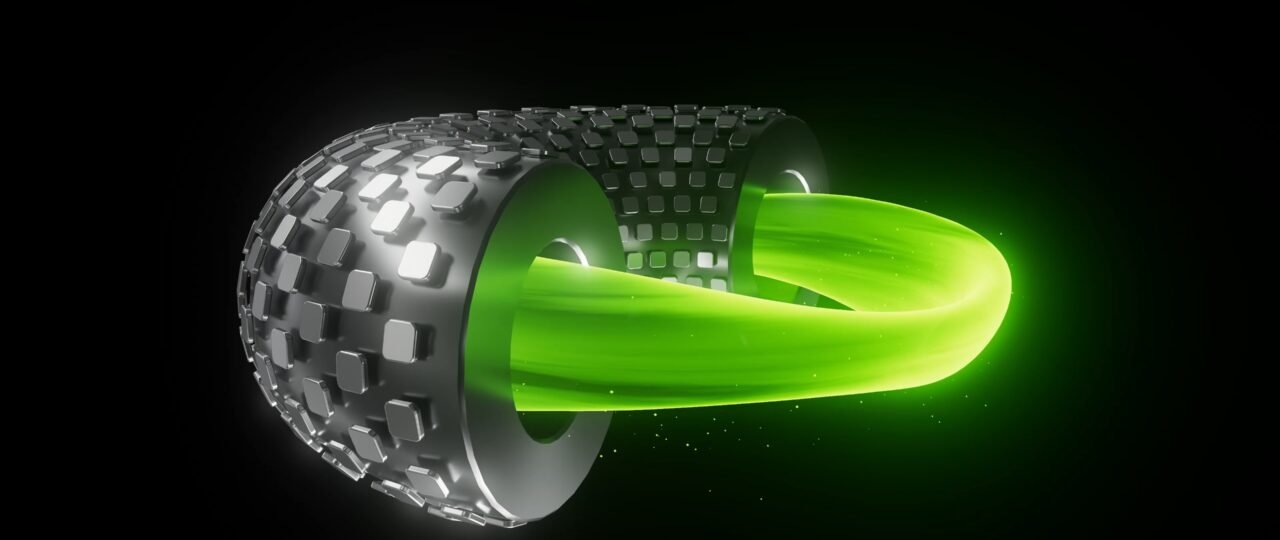
If Thea’s pixel-inspired magnets work, the company could enjoy a manufacturing advantage. The startup has built dozens of iterations of its full-scale magnets in its lab in Jersey City. Meanwhile, other fusion startups pursuing magnetic confinement have had to build massive assembly halls to make reactor-scale magnets.
Yet there are already signs that the planar coil design, as its pixel-inspired magnets are called, has reached its limits. When Thea was first spun out of the Princeton Plasma Physics Laboratory, its reactor design called for only planar coils. As the company continued to work on the concept, though, it added 12 large magnets of four different shapes outside the planar coils to handle most of the plasma confinement. The 300-plus smaller magnets now serve to fine-tune the plasma. Being reliant on larger magnets erodes the company’s manufacturing advantage to some extent.
Still, any simplification of a fusion reactor — which are already some of the most complex devices ever made by humans — will help pave the road to fusion power. An extra $100 million doesn’t hurt, either.
Other investors who participated in the round include General Innovation Capital Partners, Linse Capital, Calm Ventures, Climate Capital, Divergent Capital, Emerald Technology Ventures, Gaingels, Idemitsu Kosan, Overlay Capital, Timescale Ventures, and Whatif Ventures.
Discover more from NAIRAVOICE.COM.NG
Subscribe to get the latest posts sent to your email.