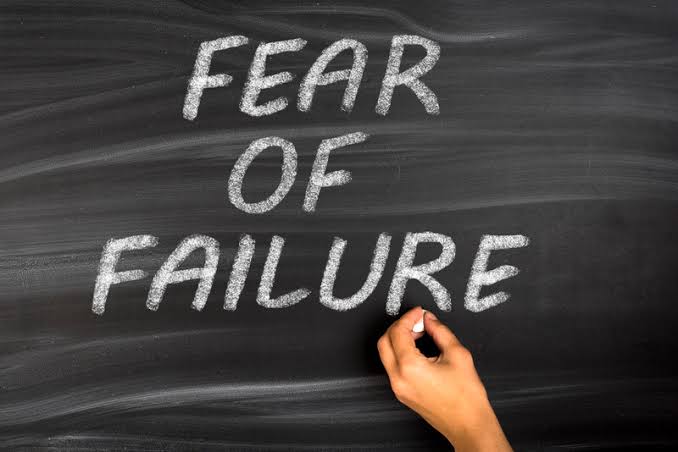
The Fear of Failure Has Consequences Beyond Academic Performance
When failure becomes associated with shame, its effects extend far beyond emotional discomfort. Education itself begins to change.
Students may prioritise high grades over genuine learning because avoiding failure becomes more important than developing understanding. This sometimes encourages unhealthy study habits, excessive anxiety and even academic dishonesty.
Examination malpractice, plagiarism and other forms of academic misconduct occasionally emerge partly because some students perceive failure as unbearable.
Although these behaviours cannot be justified, understanding the underlying pressures helps explain why they occur. Fear of failure also discourages innovation. Creativity requires experimentation. Researchers test ideas that may not succeed. Entrepreneurs launch businesses that may struggle initially. Inventors refine unsuccessful prototypes repeatedly before achieving breakthroughs.
If society punishes every unsuccessful attempt with ridicule, fewer people become willing to innovate.
Nigeria possesses enormous entrepreneurial potential. Across technology, agriculture, manufacturing, education, healthcare and creative industries, young Nigerians continue developing innovative solutions despite significant challenges.
However, many aspiring entrepreneurs hesitate to pursue business ideas because they fear public embarrassment if ventures fail. This reluctance represents a hidden economic cost.
Mental health consequences deserve equal attention. Persistent fear of failure contributes to anxiety, perfectionism, depression and chronic stress among students and young professionals.
Educational psychologists consistently observe that excessive performance pressure reduces learning effectiveness rather than improving it.
Students experiencing overwhelming anxiety often struggle to concentrate, retain information and perform according to their actual abilities.
Furthermore, shame discourages help-seeking behaviour. Students who fail examinations may avoid discussing their difficulties because they fear judgement.
Graduates facing unemployment sometimes isolate themselves socially rather than seeking support.
Professionals experiencing career setbacks may conceal their struggles until problems become more severe. Open conversations about failure therefore become increasingly rare.
Ironically, silence strengthens stigma. When nobody discusses setbacks honestly, each individual believes they are alone in experiencing difficulties.
This misconception further reinforces shame. Labour market realities also contribute. Graduate unemployment remains a significant challenge in Nigeria.
Consequently, educational and professional opportunities appear extremely competitive. Students therefore perceive mistakes as potentially irreversible.
However, career development rarely follows perfectly linear paths. Many successful professionals changed careers, repeated examinations, pursued additional qualifications or experienced periods of uncertainty before achieving stability.
Recognising these realities may reduce unrealistic expectations surrounding success. Building a Healthier Relationship With Failure
Changing societal attitudes towards failure requires collective effort rather than individual resilience alone. Families play perhaps the most influential role.
Parents should certainly encourage excellence, discipline and ambition. However, encouragement differs fundamentally from conditional acceptance.
Children need confidence that parental love and support remain constant regardless of examination outcomes.
Constructive responses to setbacks help students develop resilience.
Instead of asking only, “Why did you fail?” parents might also ask, “What did you learn?” or “How can we improve next time?”
Such conversations transform failure from a source of shame into an opportunity for growth.
Schools also have important responsibilities. Educational environments should celebrate curiosity, persistence and improvement alongside academic excellence.
Teachers influence students profoundly through their responses to mistakes.
Classrooms where errors are treated respectfully encourage participation and critical thinking. Conversely, environments where mistakes attract ridicule may discourage learning.
Career guidance should similarly emphasise diverse pathways to success.
Not every student will excel academically in identical ways. Technical education, entrepreneurship, vocational training, creative industries and emerging digital professions all contribute meaningfully to national development.
Broadening definitions of success reduces unnecessary pressure surrounding conventional achievement.
Media organisations likewise shape public perceptions.
Highlighting stories of resilience alongside success helps young people understand that achievement often follows repeated setbacks.
Many globally recognised innovators experienced numerous failures before succeeding.
Presenting these complete journeys provides more realistic role models
Government policies supporting entrepreneurship, innovation and lifelong learning also contribute.
Accessible business support, skills development programmes and continuing education opportunities demonstrate that individuals can rebuild after setbacks.
Most importantly, society should distinguish between failing at something and being a failure.
These are fundamentally different concepts.
A failed examination represents an event. An unsuccessful business represents an experience. A rejected application represents one outcome.
None defines an individual’s permanent identity.
Encouraging this distinction helps young people maintain confidence despite temporary disappointments.
Resilience should therefore become a valued educational outcome alongside academic achievement.
The ability to recover from setbacks, adapt to changing circumstances and continue pursuing meaningful goals may ultimately prove more valuable than never experiencing failure at all.
Conclusion
Failure has always been part of human progress. Every significant achievement in science, business, education, sports and the arts has been built upon experimentation, persistence and lessons learned from previous mistakes. Yet within many parts of Nigerian society, failure continues to carry an emotional weight far greater than the event itself. Instead of being viewed as a temporary setback, it is often interpreted as a personal weakness or a source of shame.
This perception is shaped by multiple factors, including strong family expectations, intense academic competition, economic uncertainty, social comparison, and cultural definitions of success. While these pressures often arise from good intentions, they can discourage innovation, damage mental wellbeing, increase fear of taking risks, and reduce opportunities for honest conversations about personal challenges.
Changing this mindset does not mean lowering standards or celebrating poor performance. Excellence should always be encouraged. However, excellence flourishes best in environments where people are free to learn from mistakes rather than being permanently judged by them. Parents, educators, policymakers and the media all have important roles in creating a culture where setbacks become opportunities for reflection, growth and renewed effort.
Ultimately, success is rarely a straight path. Many of the world’s most accomplished individuals have experienced rejection, disappointment, failed examinations, unsuccessful businesses and career setbacks before reaching their goals. Nigerian students and young professionals deserve the same understanding. They should be encouraged to pursue excellence with determination while recognising that failure is not the opposite of success—it is often one of the experiences that makes lasting success possible.
Discover more from NAIRAVOICE.COM.NG
Subscribe to get the latest posts sent to your email.