
Gabriel Pierin, from the Memory Center
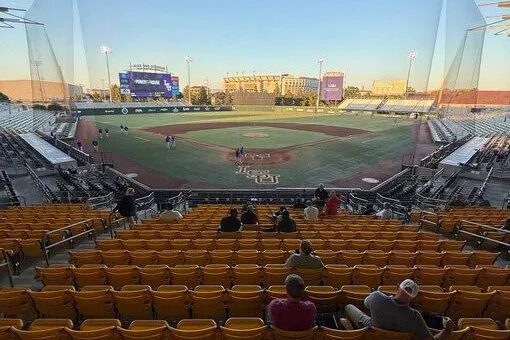
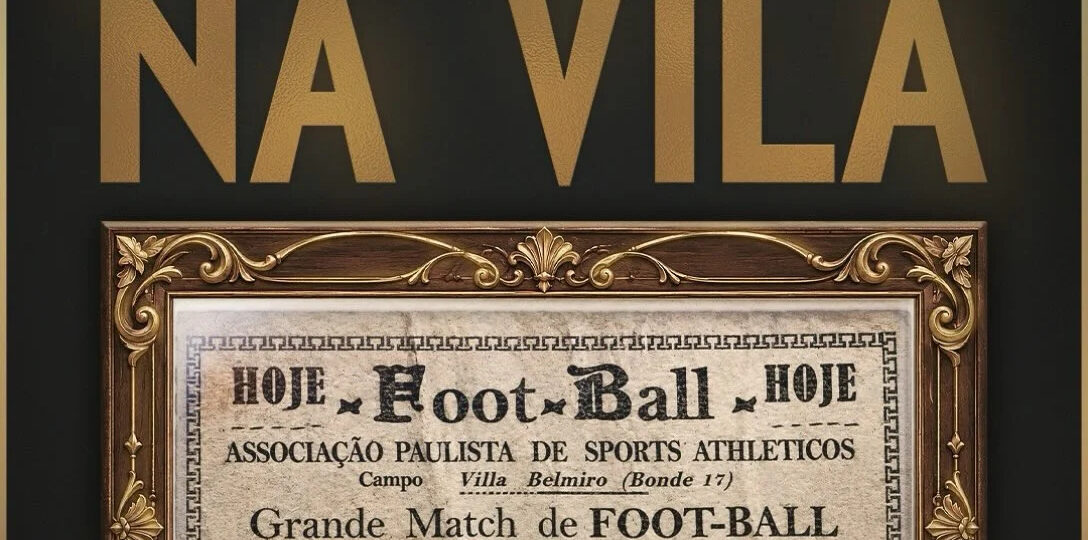
Vila Belmiro’s history as the home of Santos Futebol Clube began on October 22, 1916. That Sunday, the team in black and white hosted Ypiranga, from São Paulo, and won 2–1 in a Campeonato Paulista match. The stadium was still very basic: the pitch was enclosed by a wooden fence and had small wooden stands.
The opening, however, had to be postponed. The rain that hit Santos in the first weeks of October hampered preparations of the ground and prevented the match, originally scheduled for the 12th, from taking place as planned.
At the board meeting on October 11, a letter from the Associação Paulista de Sports Athléticos (APSA) was presented, announcing the formation of a committee to inspect Santos’s ground. Following the inspection, the association authorized the venue’s use but imposed one condition: matches would count as official provided there was no heavy rain on match day or during the preceding two days, should the opposing club claim that the state of the pitch affected play. Confirmation was sent to Santos in another letter, received on October 18.
With these obstacles overcome, the sports ground welcomed approximately two thousand people for the long-awaited debut. Under president Agnello Cícero de Oliveira, Santos, then just four years old, finally had a ground of its own on which to play its matches.
The first goal at the new venue was scored by Adolpho Millon Junior, one of the club’s founders. At 21, the right winger already had an impressive career and was regularly called up to represent Brazil. By scoring the inaugural goal, Millon secured a lasting place in Santos’s history.
Santos secured a 2–1 victory over the well-established Clube Atlético Ypiranga. Alongside Millon, Jarbas, who played at inside left, also found the net for the home side. Formiga scored the visitors’ goal.
Managed by Urbano Caldeira, Santos took the field with Odorico; Américo and Arantes; Pereira, Oscar and Junqueira; Millon, Marba, Tedesco, Jarbas and Arnaldo. Ypiranga fielded the following lineup: Dionísio; Dario and Ferreira; Loschiavo, Jacinto and Peres II; Hugo, Ary, Bororó, Peres and Formiga.
Despite the occasion’s importance, the pitch still had no grass. Heavy rain earlier that month had made it impossible to lay turf, and the players contested the match on muddy ground. The poor playing surface, however, did nothing to diminish the moment’s significance for football in Santos.
In its edition the following day, the newspaper A Tribuna highlighted the enthusiasm of club members and football fans at the opening of the new sports ground. The article emphasized that Santos finally had a ground worthy of the city’s sporting development, capable of welcoming visiting teams without the embarrassment caused by the poor condition of the grounds previously used.
The newspaper also celebrated the efforts of the officials and sportsmen responsible for the project, seeing the new facility as significant beyond simply hosting matches. A large crowd was expected, including representatives of Santos society. Under APSA rules, women would pay admission, while children under 14 accompanied by their families would enter free of charge.
The effects of the opening were soon felt in Santos’s finances and membership. Besides providing better conditions for matches, the sports ground allowed the club to increase revenue from ticket and merchandise sales. Membership also grew: at the first board meeting after the opening, 92 new membership applications were reviewed.
Almost 17 years later, the sports ground would be named after one of the key figures in shaping the club’s history. The proposal to honor Urbano Caldeira was submitted by Ricardo Pinto de Oliveira at the board meeting on March 17, 1933, four days after the former official’s death. On March 24, the Deliberative Council unanimously approved the tribute, officially naming the venue Praça de Esportes Urbano Caldeira.
The name change immortalized the bond between Urbano Caldeira and the stadium that helped establish Santos’s legacy. Since that first match in October 1916, Vila Belmiro has been an inseparable part of the club’s history.
This article was translated into English by Artificial Intelligence. You can read the original version in 🇧🇷 here.
Discover more from NAIRAVOICE.COM.NG
Subscribe to get the latest posts sent to your email.