
It’s no secret that many unofficial channels — like Reddit threads or customers posting on TikTok — shape a brand’s reputation.
Now, marketers are adding AI to that list of influencers. “The discovery of the brands and products is starting to happen through the prompts and the agents,” Oshiya Savur, CMO of e.l.f.
Brands, said during Business Insider’s “New Rules of Reputation” roundtable held during the 2026 Cannes Lions Festival, and presented by Omnicom Public Relations.
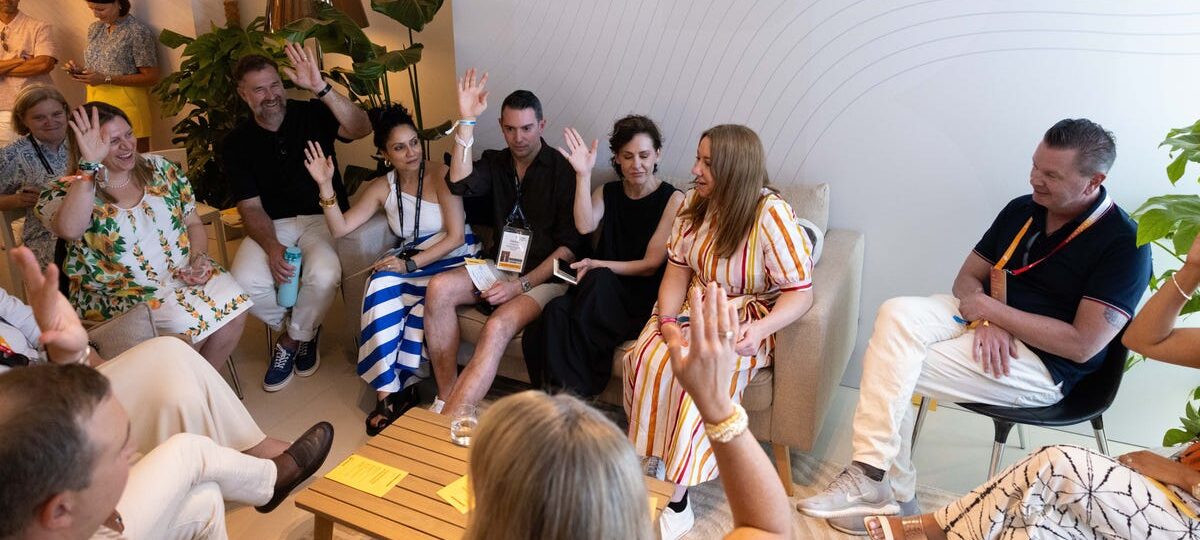
The roundtable included communications and marketing leaders from Commonwealth Fusion Systems, FedEx, Genius, HubSpot, Johnson & Johnson, the NBA, Pacsun, Pearson, SharkNinja, Stanley 1913, Target, Understood, and Wikimedia Foundation.
Gathered in a tight circle of chairs, several leaders said that AI was forcing them to rethink how they present their brands digitally.
HubSpot CMO Kipp Bodnar said that attracting the attention of AI platforms means brands must have a much broader online presence. “These AI engines are looking for consensus across the web versus traditional page rank and authority,” he said. “So earned media hits, how you show up on rating and review sites and other affiliate sites, matter a ton more.” Simply having articles on your own webpage won’t cut it any longer, he added.
Companies have also realized they can’t just create this content and assume AI will find it.
They need to think carefully about how it’s built online. “Information has to be structured so that the robot can read it,” Savur said.
Anusha Alikhan, the Wikimedia Foundation’s chief communications officer, agreed. “Structured data means something right now,” Alikhan said. “So the fact that Wikipedia content is built with so much transparency is something that automatically makes it trusted, and that’s why so many AI companies in fact want to use it because they can actually see how that content was generated, where it comes from.” Misinformation was another topic these executives said has demanded their attention.
Nathan Friedman is the co-president and CMO of Understood, a nonprofit that supports people with learning differences.
The organization built its own news division to combat false narratives around what causes neurological differences like ADHD or autism. “A lot of parents, particularly younger, get information online,” Friedman said. “When the news comes to them it’s often misinformation.” He said that the misinformation often comes from sources parents trust.
Understood hopes flooding the zone with reputable information could help.
As more people get their news online — and algorithms narrow what appears in their social media feeds — they risk finding themselves in an echo chamber, said Vanessa Broadhurst, Johnson & Johnson’s EVP of global corporate affairs. “They think there’s a crisis because in their feed they’re being fed this, and they’re like, I’ve seen this 20 times, it’s blowing up on the internet,” Broadhurst said.
When you look at the broader data, you see that’s not true, she added.
Sara Kern, VP of marketing and creative strategy at Genius, said all of this makes in-real-life, authentic experiential moments more important than ever before. “You almost can’t compete with the velocity of what’s happening through technology,” she said.
Discover more from NAIRAVOICE.COM.NG
Subscribe to get the latest posts sent to your email.