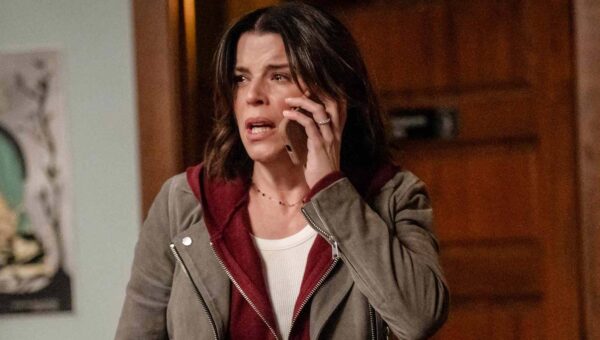
Warning: This article contains spoilers for 2025’s Sinners.Ryan Coogler’s Sinners debuted to widespread acclaim, which was no surprise considering its poignant story about so much more than vampires. Leading up to its release, perhaps the biggest draw was Sinners’ cast, with Creed and Black Panther star Michael B. Jordan taking on the dual role of twin brothers Smoke and Stack. Of course, Sinners’ promise of fresh vampire lore was also a crowd-pleasing element to market, one which the movie certainly delivered with all the most classic vampire strengths and weaknesses incorporated into the story.
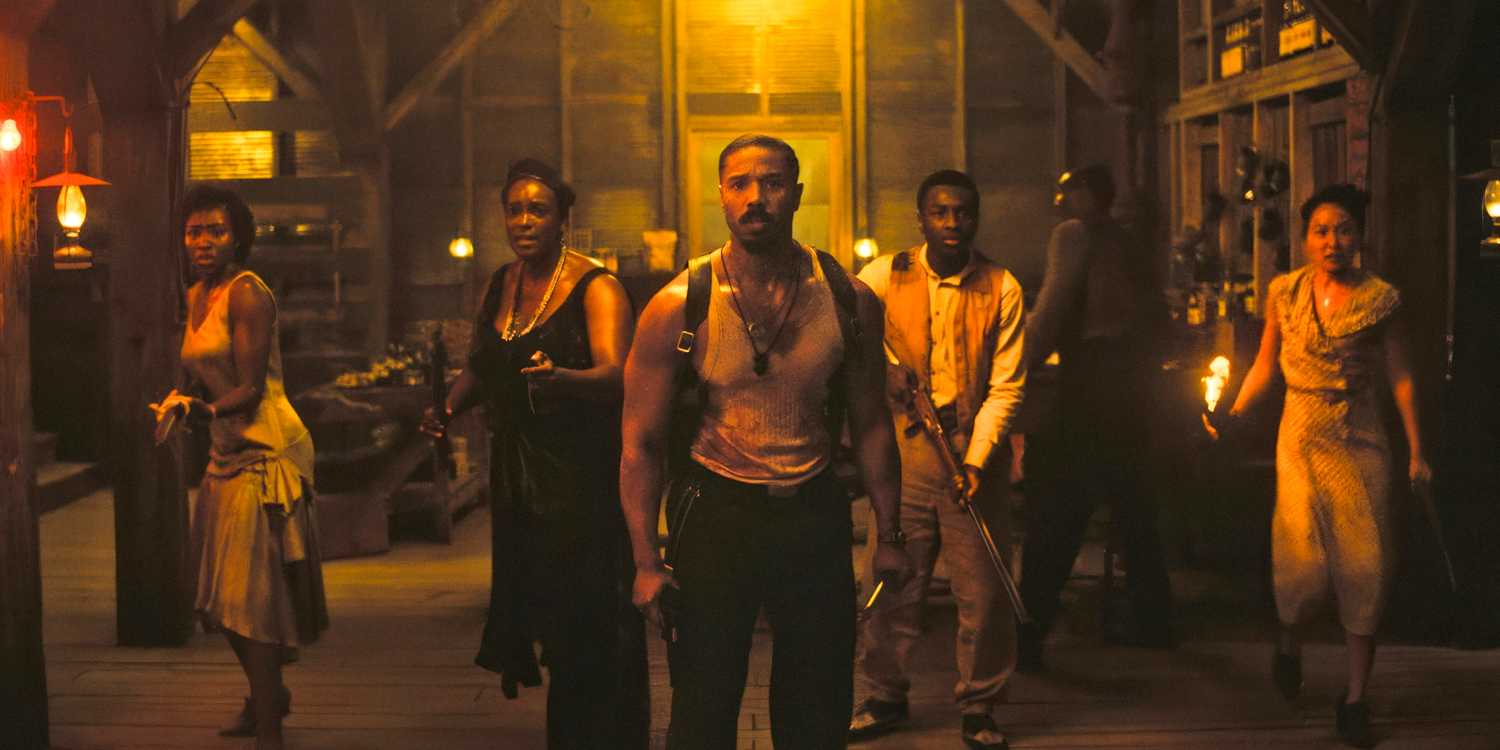
Yet the movie goes far beyond this, depicting an overlap of biological and found families standing together to the best of their ability when they are threatened by human and supernatural evils. The main characters of Sinners are effortlessly established to have a long history together, of childhoods, romantic entanglements, and life-long friendships, which creates an even more meaningful experience when they come together for the opening night of the twins’ juke joint. And when Sammie’s (Miles Caton) music comes into the story, these bonds are also connected to themes of community throughout history.
Sinners follows twins Smoke and Stack, who return to Clarksdale in the Mississippi Delta in 1932 after working for (and ripping off) Al Capone’s Chicago Outfit. They’re intent on opening a juke joint in an abandoned sawmill, and they enlist their blues-singing cousin, Sammie, to help. The film is set in Jim Crow Mississippi, and it revolves around Black spirituality and the music’s place in the Delta community. Ryan Coogler told Moviefone that the biggest theme was freedom, “how elusive it can be, how sometimes it can’t be bought.” He described it as the central concept for people under great oppression who had to affirm their humanity when that was very difficult.
Why The Movie Is Called Sinners
The Main Characters Are Flawed People & Society Has Its Own Definition Of “Sinners”
Image via Warner Bros.
Image via Warner Bros.
Image via Warner Bros.
Image via Warner Bros.
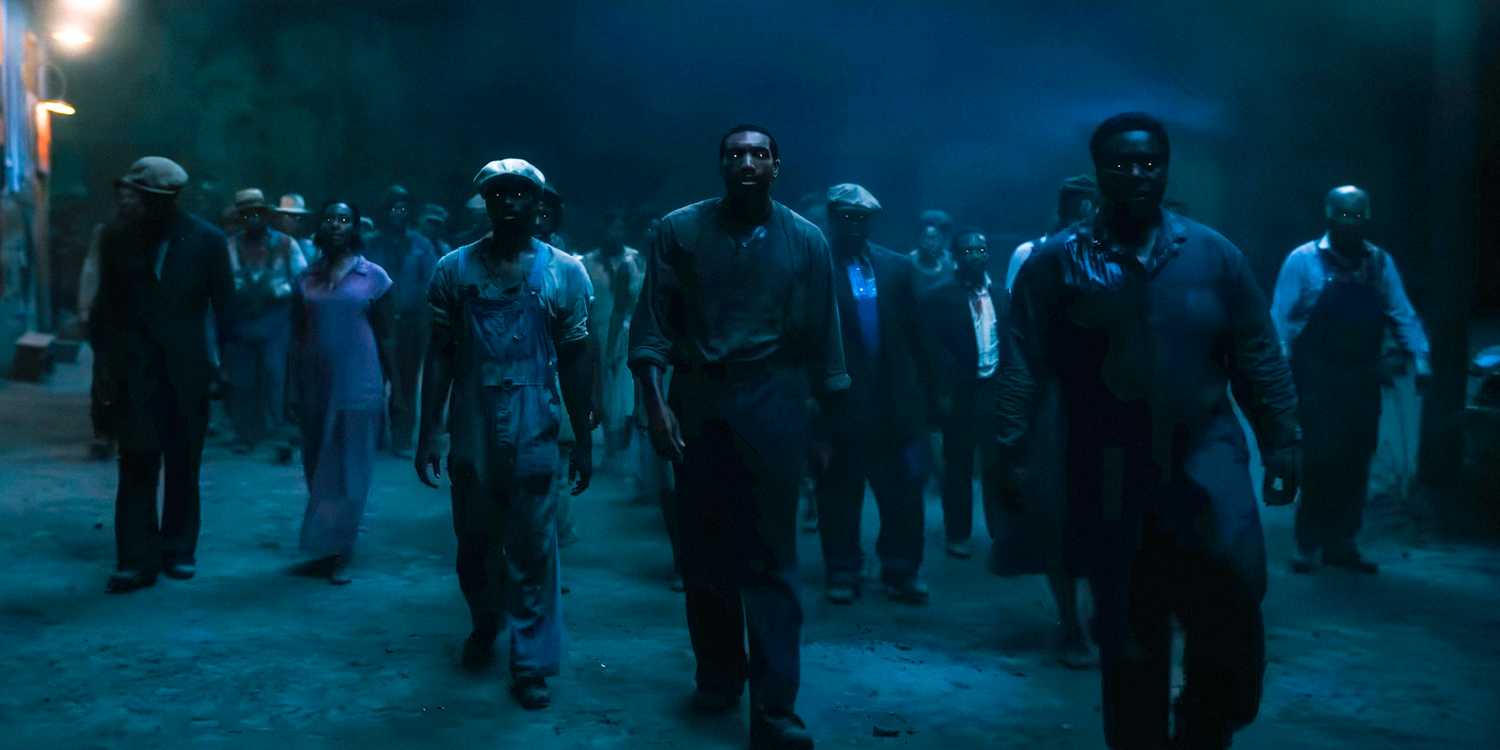
The title Sinners itself is somewhat mysterious, and questions what we are supposed to think of as a sin in this narrative. Sammie’s father (Saul Williams), a local preacher, tries to sway his son away from playing blues music, specifically in the context of places like the twins’ planned club, which run on booze and pleasure. However, the movie itself hardly condemns these actions, when the party is painted as one of the best ways for people to come together, seeking relief from hard work, and through Sammie’s music, connecting them to their ancestors and descendants. Sammie’s song “I Lied To You” breaks the barriers of time and space, conjuring spirits from the past and future of Black music. Tribal drummers, electric guitarists and trap artists appear. The juke joint becomes an entryway connecting the community with its ancestors and descendants.
The element of sin is also raised through how Smoke and Stack got the money to buy the building, as they worked for Capone in Chicago and stole the funds, and violently protect their business interests. They also essentially both abandoned their partners to go do this — Stack was romantically involved with Mary (Hailee Steinfeld), whose mother raised him and his brother before they left. Smoke, on the other hand, was married to Annie (Wunmi Mosaku), but their marriage crumbled after the death of their daughter. Notably, in an interview with USA Today, Coogler said:
“This movie for me was about identity, as my movies always are, and how people see themselves […] Smoke sees himself as a father and as a man who’s unredeemable because of his past sins, but he also sees himself as a soldier. For him, soldier means he’s a killer.”
</blockquote>
“This movie for me was about identity, as my movies always are, and how people see themselves […] Smoke sees himself as a father and as a man who’s unredeemable because of his past sins, but he also sees himself as a soldier. For him, soldier means he’s a killer.”
There are conflicting and complementary motifs in Sinners of characters doing questionable things but for the good cause of bringing people together or simply because society hasn’t left them many other options. The title Sinners seems to refer to the group of people whom the story is about, but it presents a complex and grounded depiction of their flaws.
Sinners Is About A Lot More Than Vampires
Sinners Gives Us A Full Picture Of Its Characters’ Lives
Image via Warner Bros.
Image via Warner Bros.
Image via Warner Bros.
Image via Warner Bros.
Image via Warner Bros.
Image via Warner Bros.
Image via Warner Bros.
Image via Warner Bros.
Image via Warner Bros.
Image via Warner Bros.
Image via Warner Bros.
❤Enjoying this article? Support our work with a small crypto donation.
Support Our Work
Your donation, in crypto, helps us keep going.
Image via Warner Bros.
The vampires also play into the sin theme given the traditional connotations of their souls (or lack thereof) and their relationship with Heaven and Hell. They are also villains because they are killing people throughout the movie or at least destroying the personalities and identities they had before. However, the vampires are also supposedly trying to build a community and connect to histories by turning people. Remmick (Jack O’Connell) specifically wants Sammie’s music because of how it can pierce through time, longing for a deeper connection to his own heritage and lost loved ones. Remmick’s ancient heritage was lost to oppressive invaders, and his vampirism, a symbol of Irish assimilation, has cut him off from his roots.
There is already a fairly compelling story going on before the vampires show up, which they then exacerbate and offer their own opinions on.
The vampires offer an immediate, physical threat which keeps the movie engaging and the audience on edge throughout. However, the first act sets up many more ordinary conflicts in the characters’ lives. They are doing regular jobs, managing strained (or not so) familial and romantic relationships, and dealing with the social injustices of 1930s Mississippi. They have interesting interpersonal relationships, from Stack and Mary’s banter to the easy professional rapport with store owners Grace (Li Jun Li) and Bo Chow (Yao). There is already a fairly compelling story going on before the vampires show up, which they then exacerbate and offer their own opinions on.
How Sinners’ Vampires Connect To The Movie’s Central Themes
Remmick & His Vampires Are Supposedly Building Their Own Family
Image via Warner Bros.
Image via Warner Bros.
Image via Warner Bros.
Image via Warner Bros.
In an interview with Variety, Coogler also said of his vampires:
“[…] our vampire had to be in conversation with those themes: the concept of family and community […] It wasn’t enough for him to just want to bite someone’s neck.”
</blockquote>
“[…] our vampire had to be in conversation with those themes: the concept of family and community […] It wasn’t enough for him to just want to bite someone’s neck.”
Remmick is specifically offering his would-be fellow vampires a chance at being a part of his community, specifically one with the supernatural abilities that would allow them to decimate evils like the Ku Klux Klan. Remmick demonstrates a deep longing for this: to be a part of the party at the juke joint, to partake in Sammie’s music, to recapture his own past. Of course, Smoke and co. are hardly about to take him up on this offer when it means literal death, and from the looks of it, those who have been turned aren’t even themselves anymore.
Yet like how the community pre-the vampires’ arrival is portrayed as strong and joyful, yet still dealing with various internal and external conflicts, the characterization of the vampires in Sinners isn’t a black-and-white matter either. The vampire community doesn’t work because it destroys identity, melding everyone into an unconsenting hive mind. But even if audience members write off Remmick as completely inhuman, there is how Stack and Mary act. They both seem to snap out of it for a second when Annie dies, shocked and aggrieved. Smoke also can’t bring himself to kill Stack, in the end.
The vampires in this story are just as connected to others by love and support in a cruel world as human.
Additionally, in Sinners’ post-credits scene, Stack and Mary reunite with Sammie, now a successful musician years later. They have been following Sammie’s career, and, like Sammie, remember the night where everything happened still with a kind of fondness. It was an exuberant gathering representative of their friendships before, and as Stack says, it was the last time he saw his brother. The vampires in this story are just as connected to others by love and support in a cruel world as humans, told through various nuances that still don’t sell short the bloody vampire spectacle.
What Ryan Coogler Has Said About Sinners’ Themes & Meanings
Sinners Is About Family, Identity, & Redemption (Or Forgoing It)
<
As noted, Coogler commented on the theme of identity in Sinners with how Smoke sees himself, but also how he sees Stack and Sammie (USA Today): “He’s [Smoke] as good at killing people as Sammie is at singing (and) as Stack is at coming up with schemes and talking people into doing things that they might not want to do.” How individuals view themselves within a community is just as important to the story. Smoke wants Sammie to go down a straight and narrow path, but in the end, Sammie reasserts himself as a blues musician and embraces all the connotations that go with that.
Coogler has described the post-credits scene with Sammie and Stack as central to the entire film, saying, “I broke down in crying tears because I realized this whole movie was about that.” He has called Sinners a love letter to his family history, and in particular his uncle James, who passed in 2015.
Coogler also commented on some of the original inspiration for this movie (Variety):
“When people think about the 1930s Mississippi, the first thing that comes to mind is segregation. Hard times. You don’t think about people dealing with all that actually having a good time, like having a party so good you wish you could go to it. I was like, ‘Oh yeah, we might have a movie here.’ And not just a movie, but a movie for our time now.”
</blockquote>
“When people think about the 1930s Mississippi, the first thing that comes to mind is segregation. Hard times. You don’t think about people dealing with all that actually having a good time, like having a party so good you wish you could go to it. I was like, ‘Oh yeah, we might have a movie here.’ And not just a movie, but a movie for our time now.”
Sinners depicts the many messy relationships and identity dilemmas against the backdrop of this period and a vampire massacre and underscores that the most important thing is how these characters are sure of who they are and are at their best when they are having a good time together. The vampire hoard threatens identity and relies on violence, but a few of them defy this construct.
Sinners went digital on June 3, 2025, on platforms including Amazon Prime Video, AppleTV and Fandango at Home, with expanded aspect ratio sequences showing both 1.78:1 and 2.76:1. The film made its global streaming debut exclusively on Max on July 4, and it debuted on HBO linear on July 5 at 8:00 p.m. ET. Max also streamed it in Black American Sign Language (BASL), interpreted by Nakia Smith, alongside the original version.
The film’s awards run produced a first. Autumn Durald Arkapaw became the first woman to win the best cinematography Oscar, for Sinners, at the 98th Academy Awards on March 15, 2026.
Show Some Love By Sharing
Discover more from NAIRAVOICE.COM.NG
Subscribe to get the latest posts sent to your email.
❤Enjoyed this? A small crypto donation helps us keep publishing.


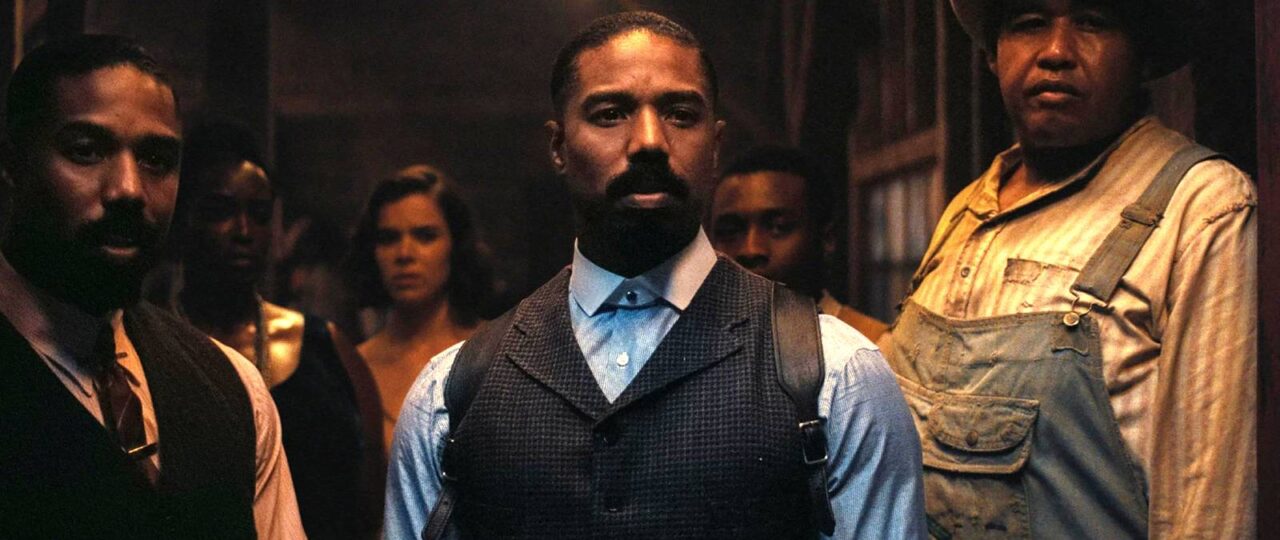

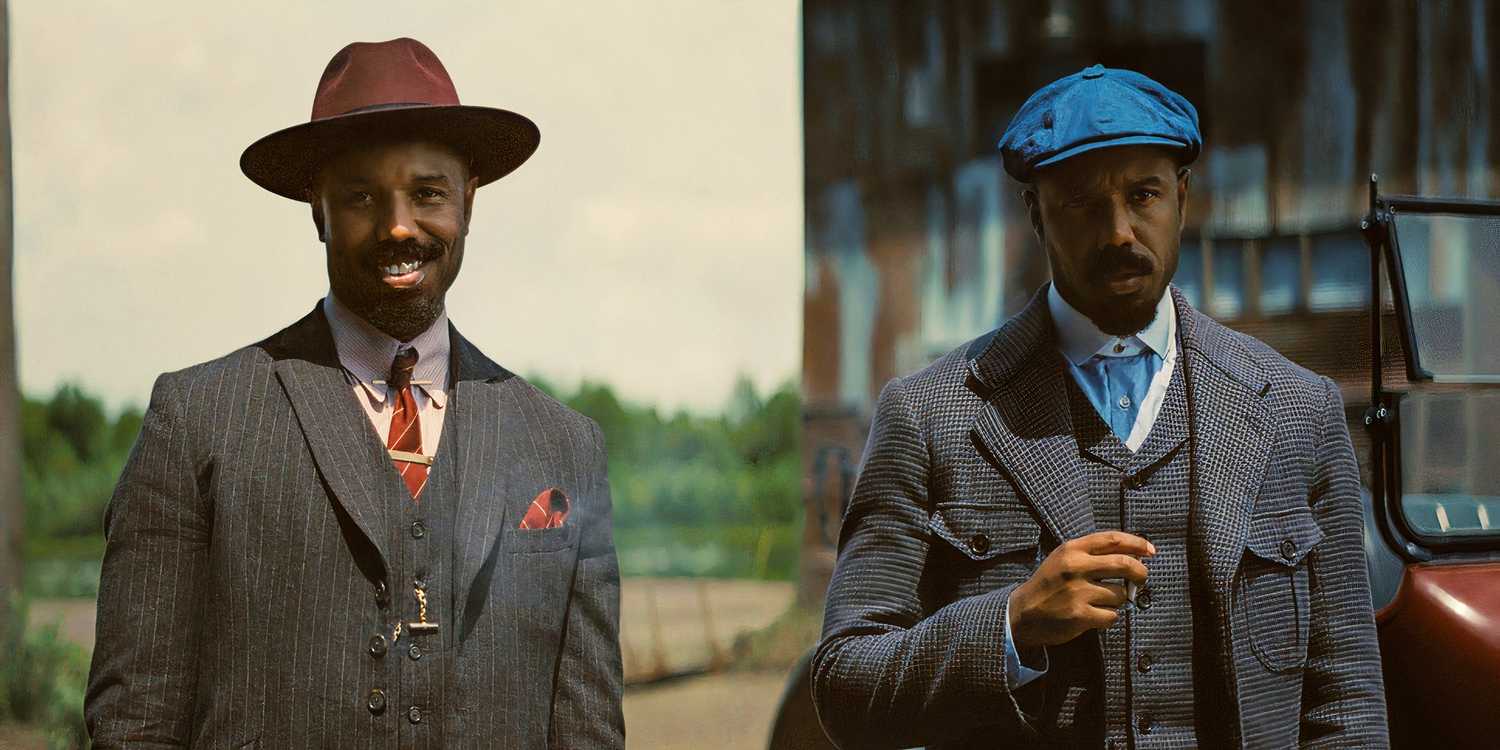
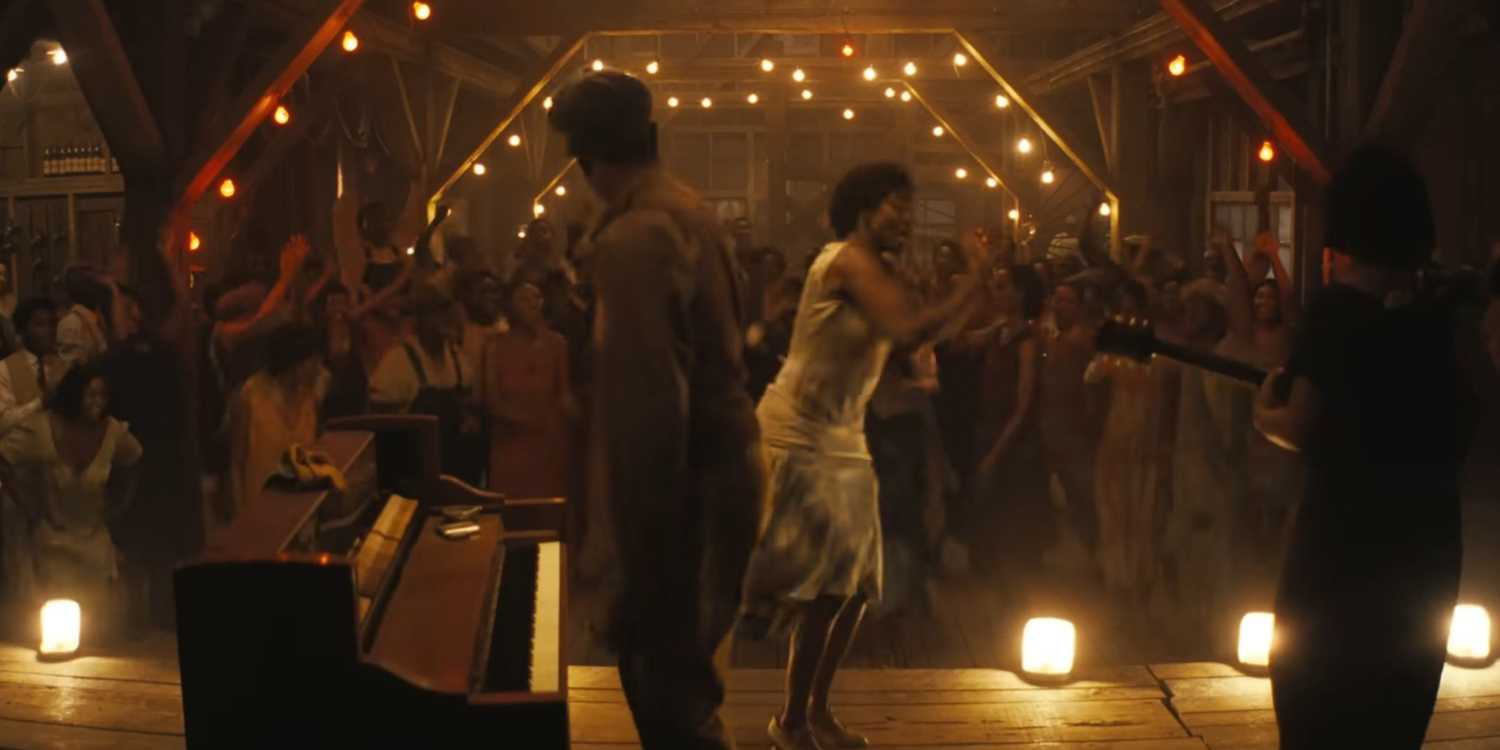
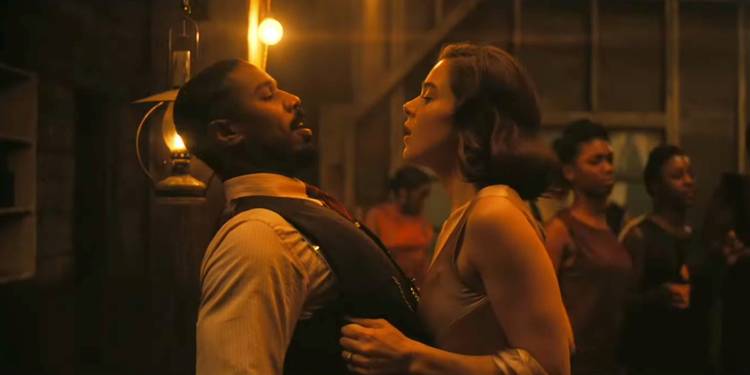

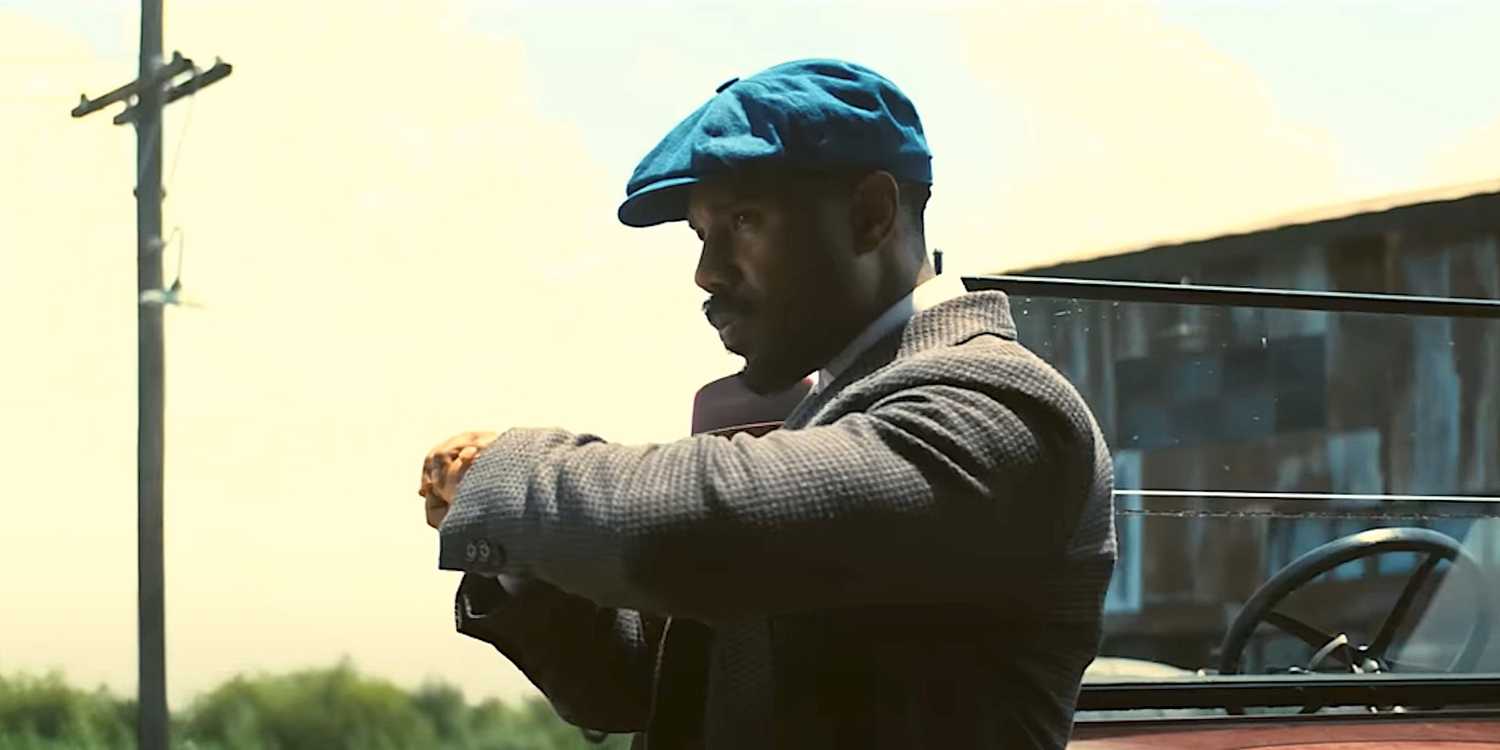
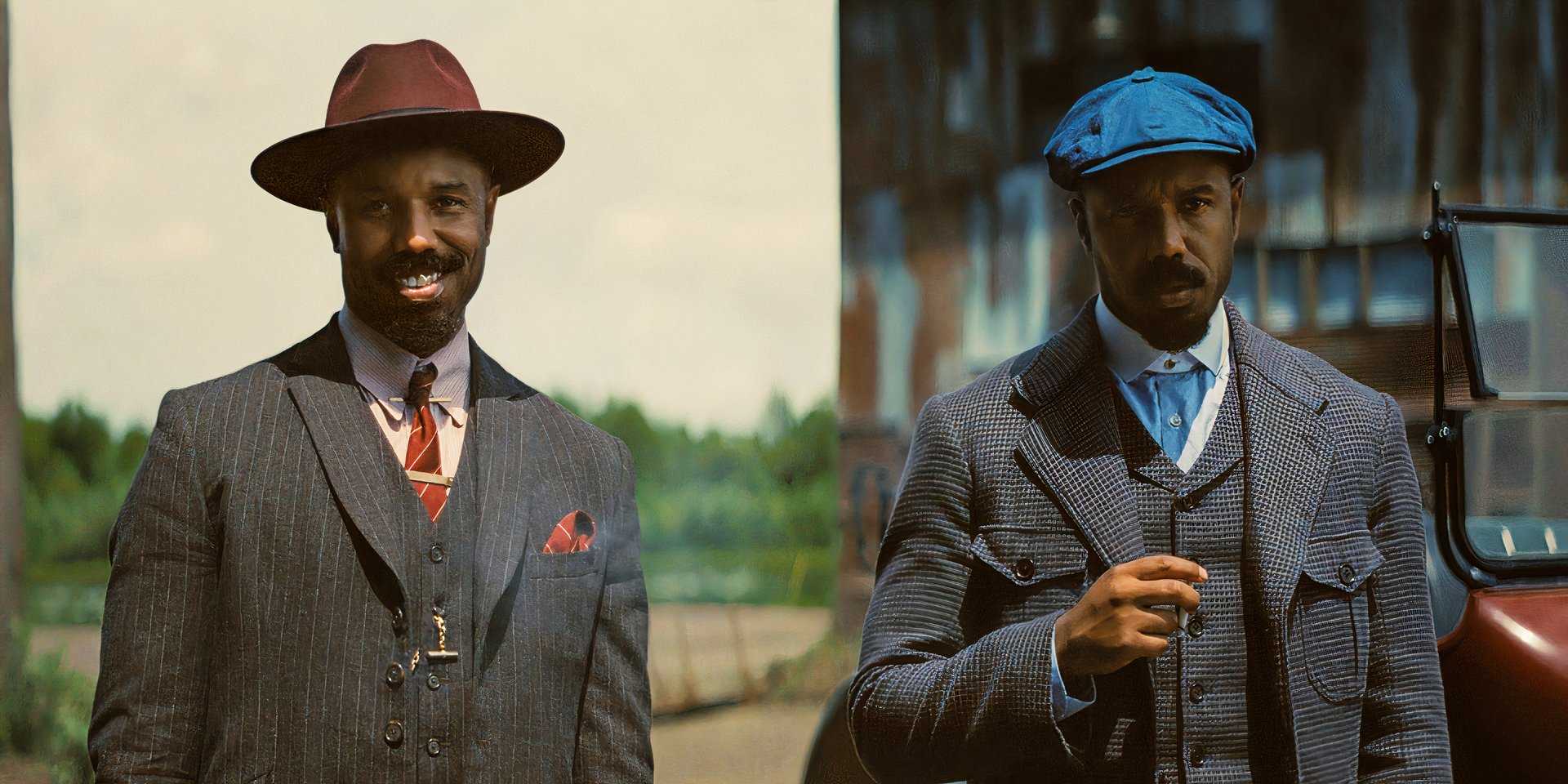
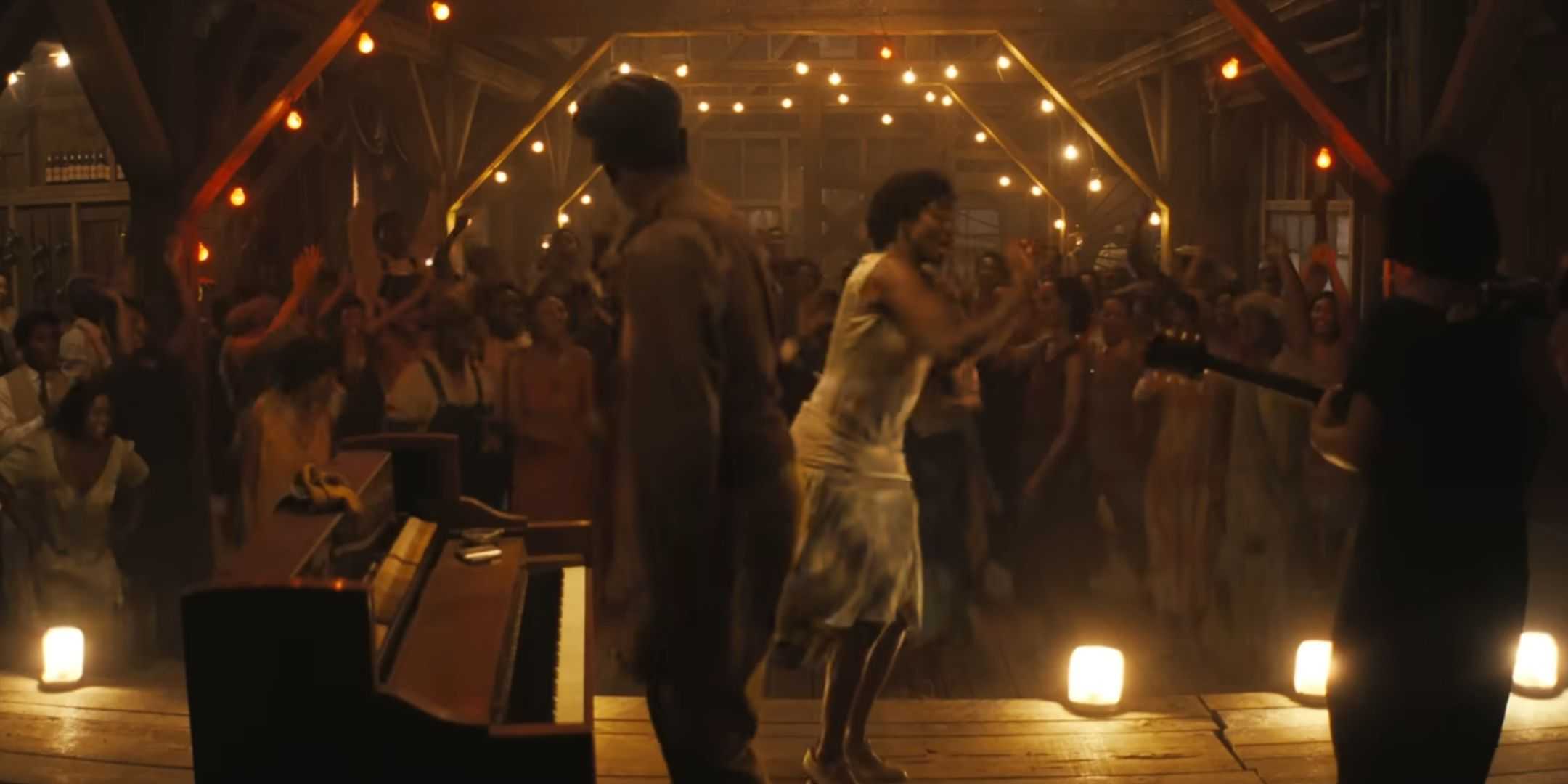
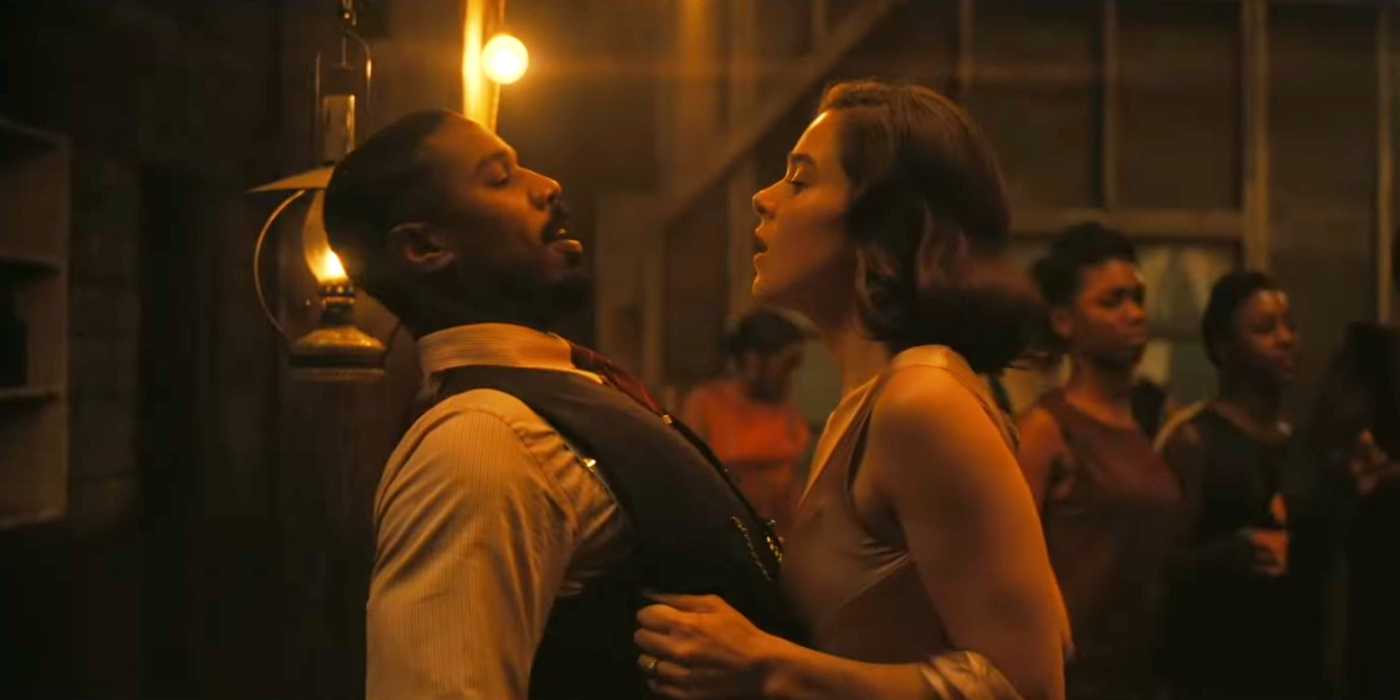
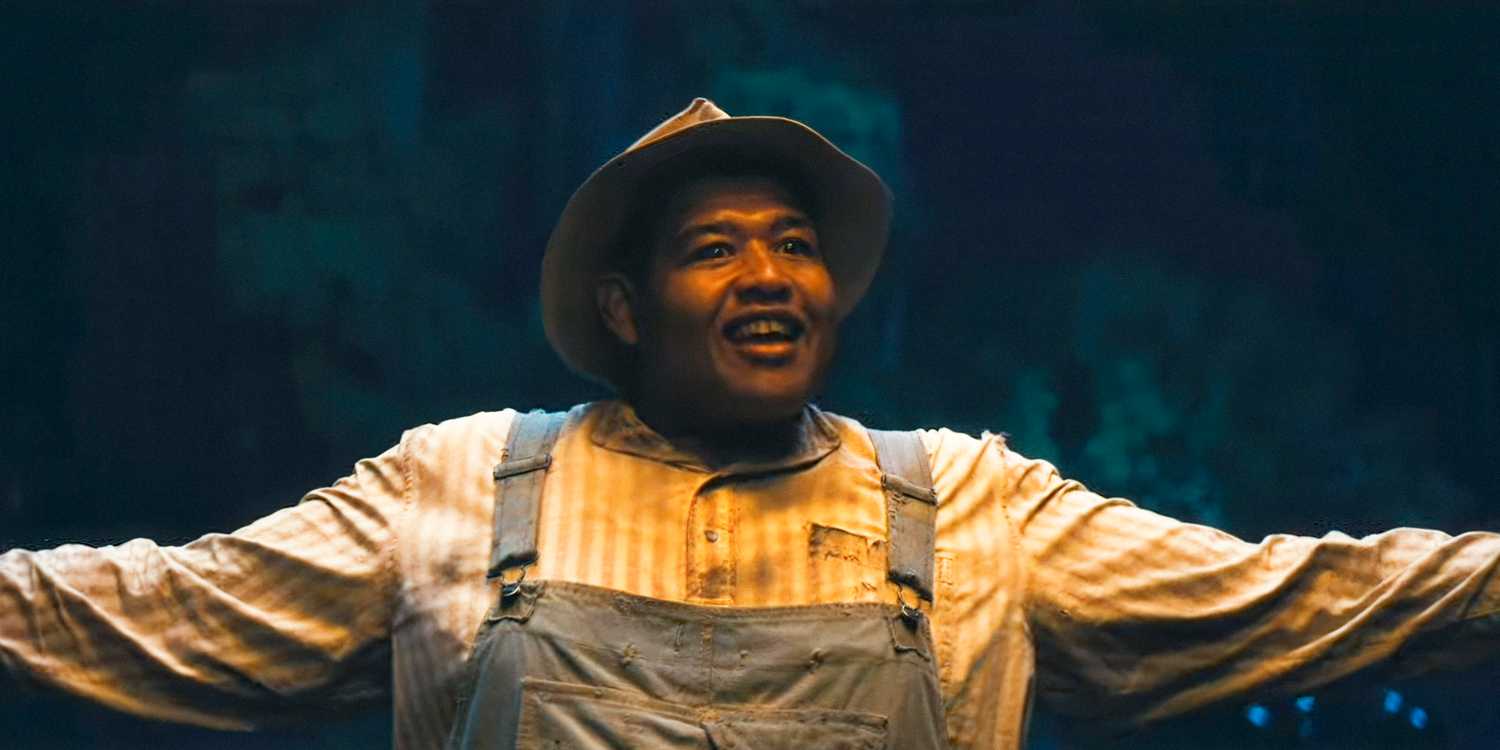
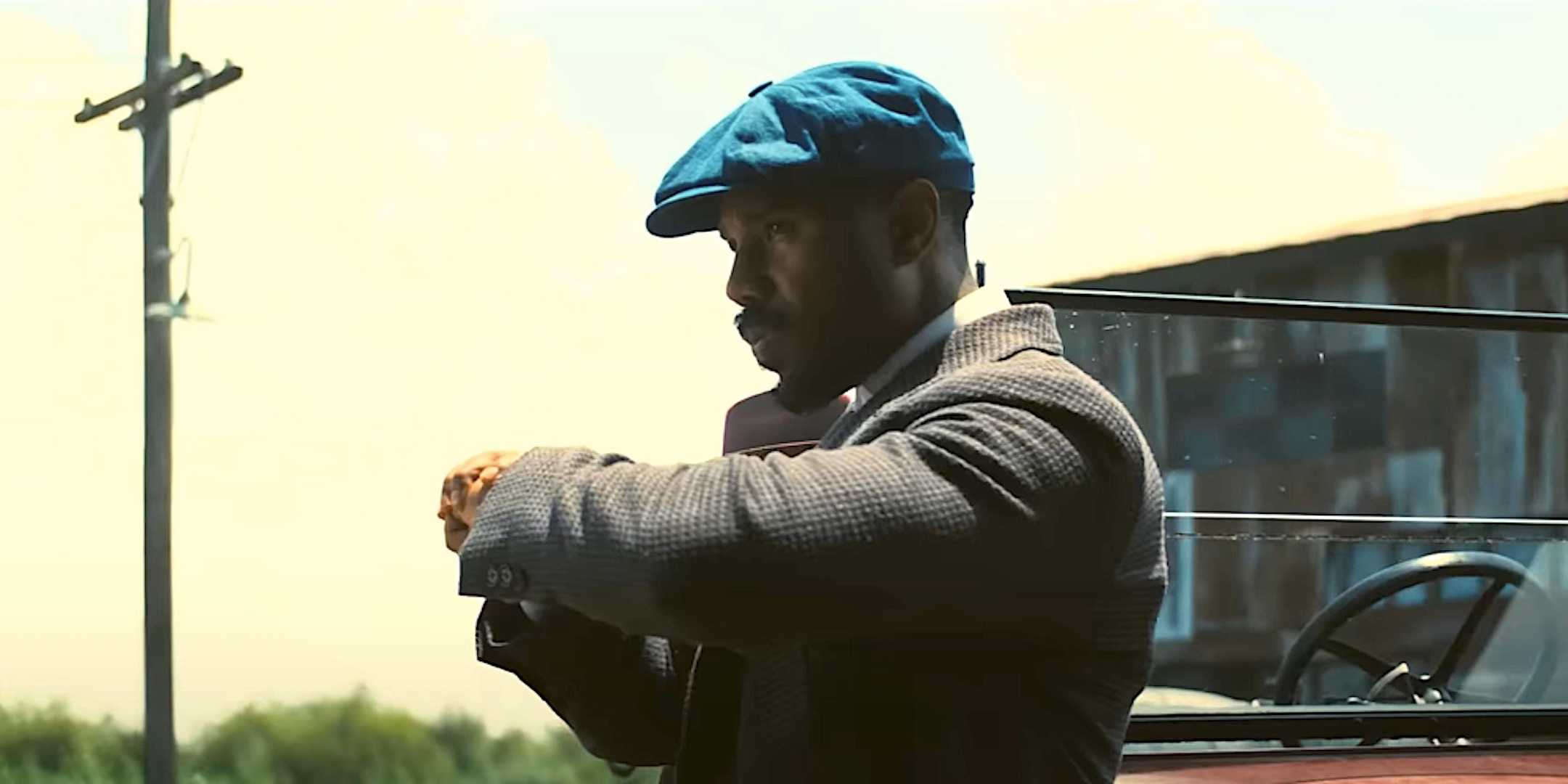
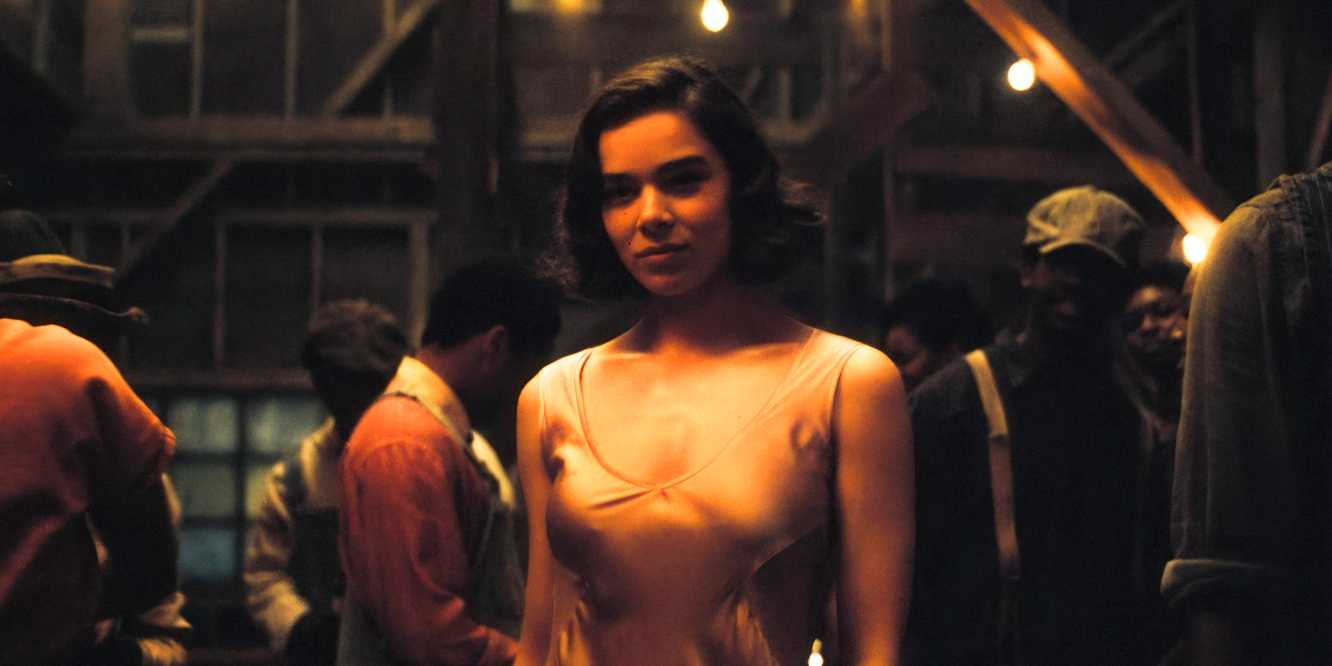 Image via Warner Bros.
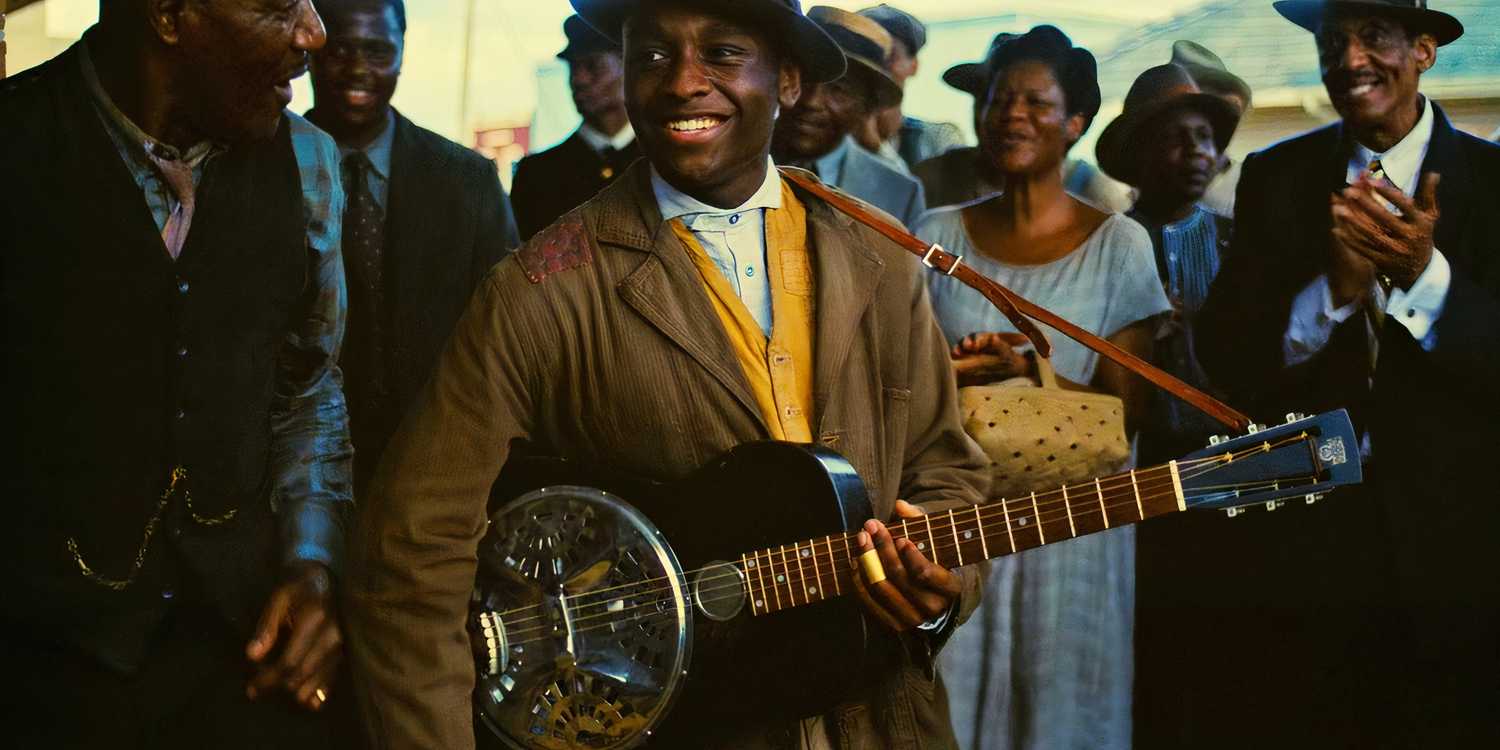
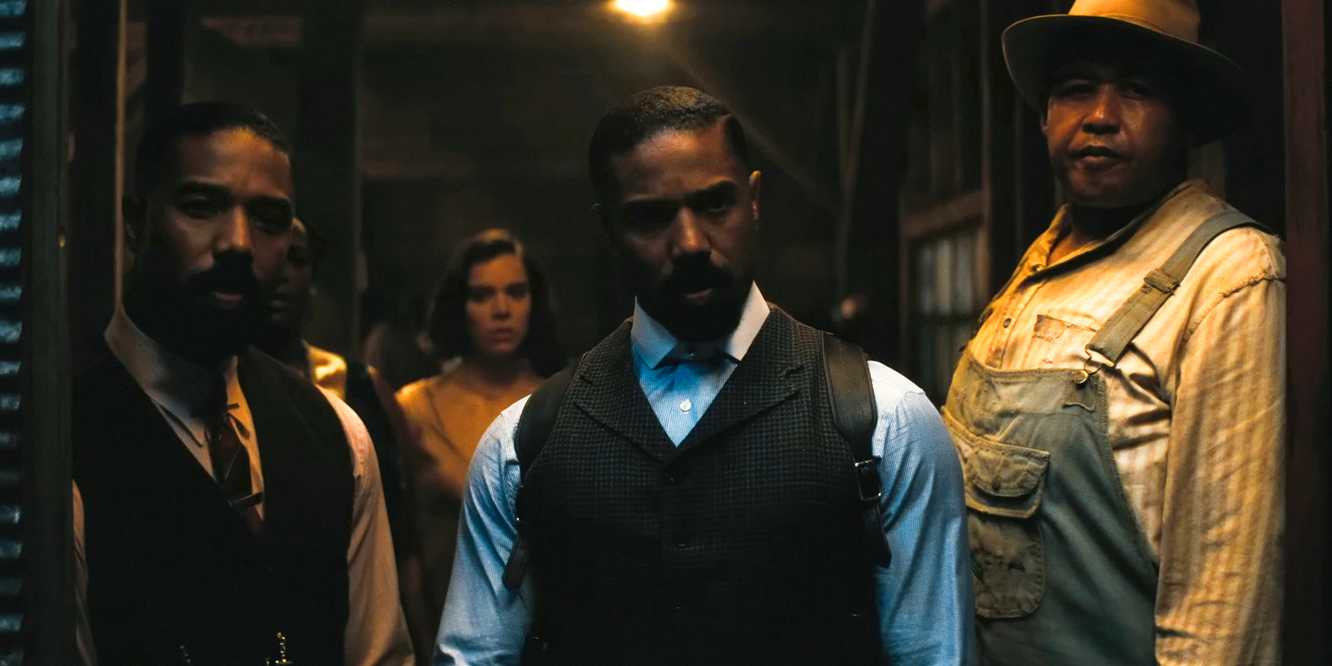
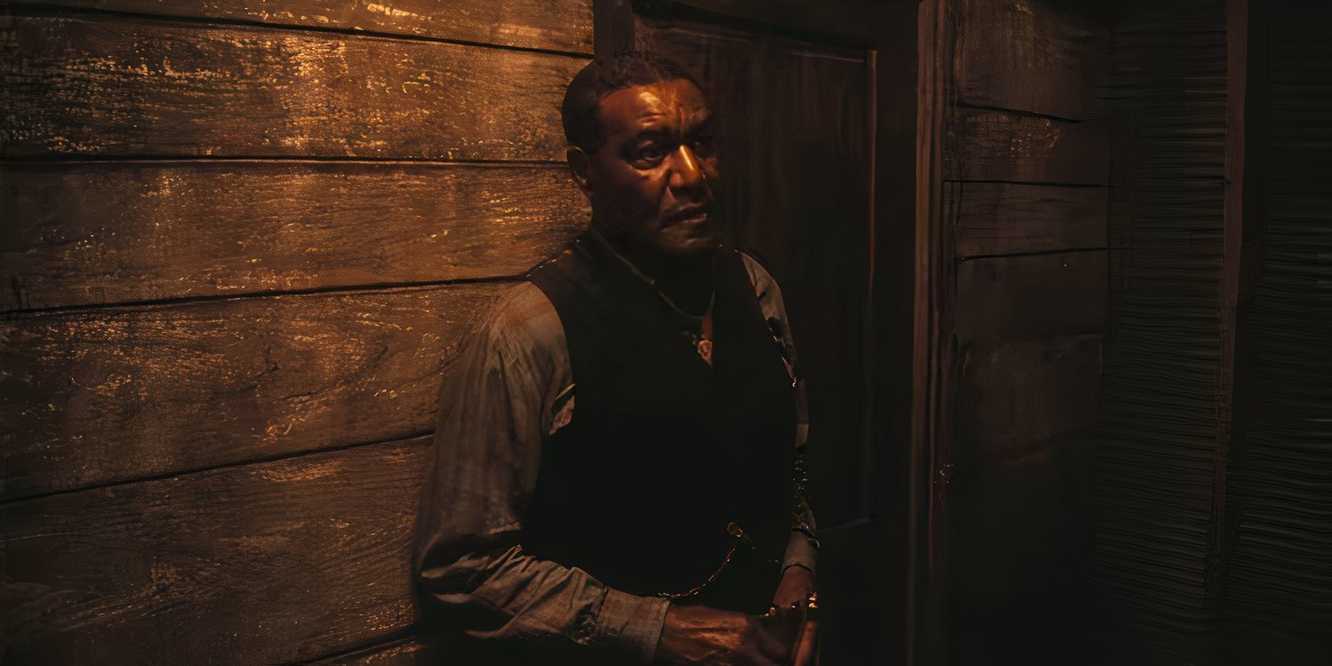
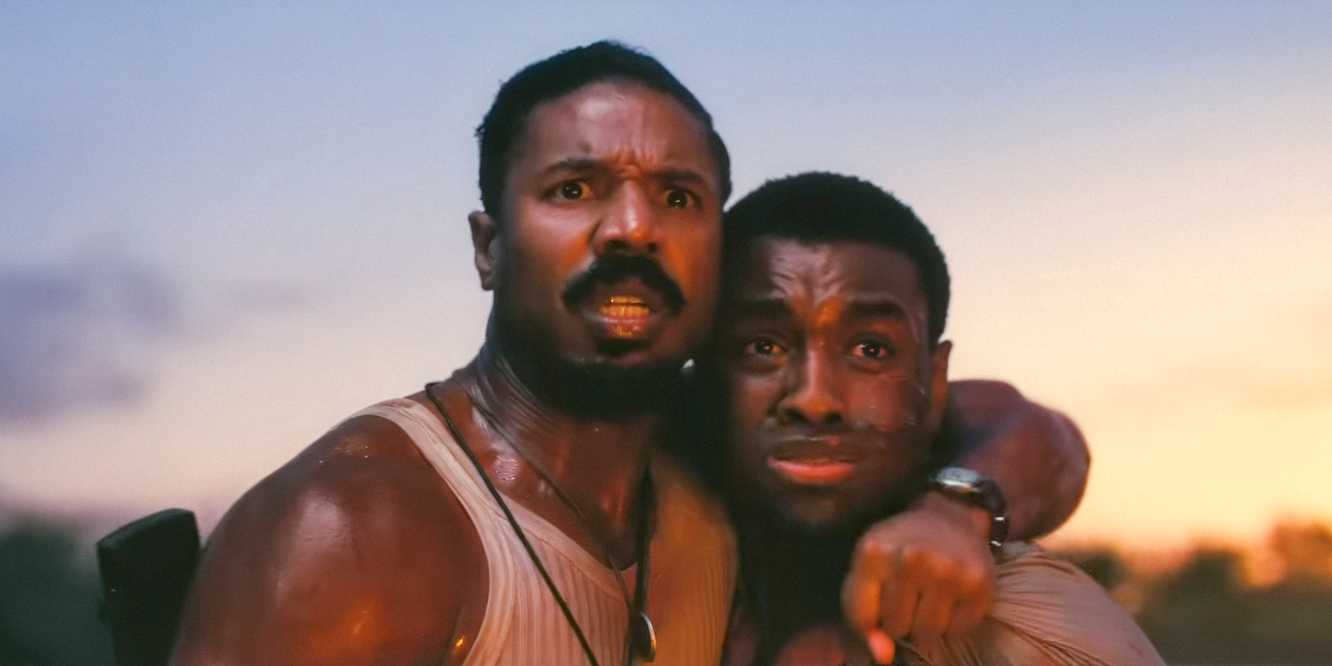
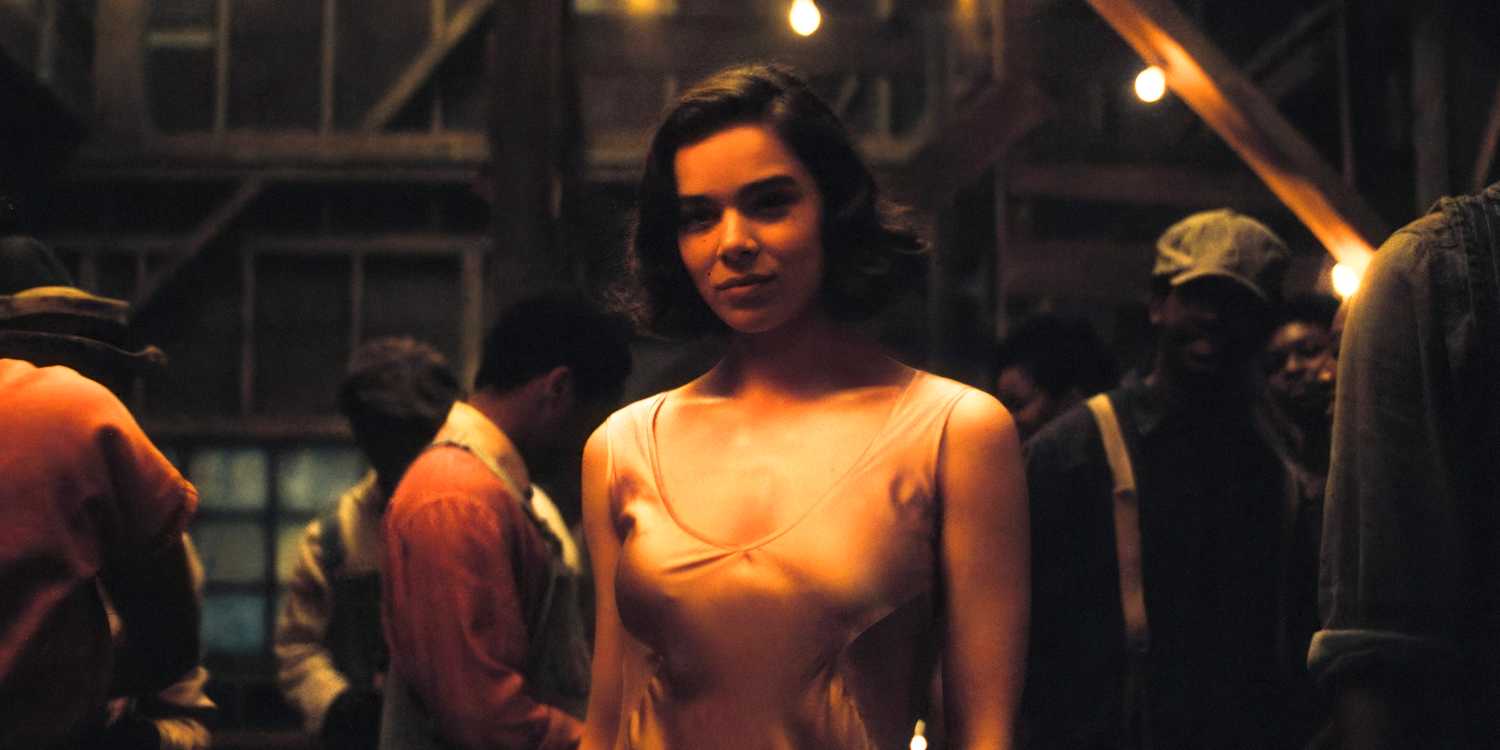 Image via Warner Bros.
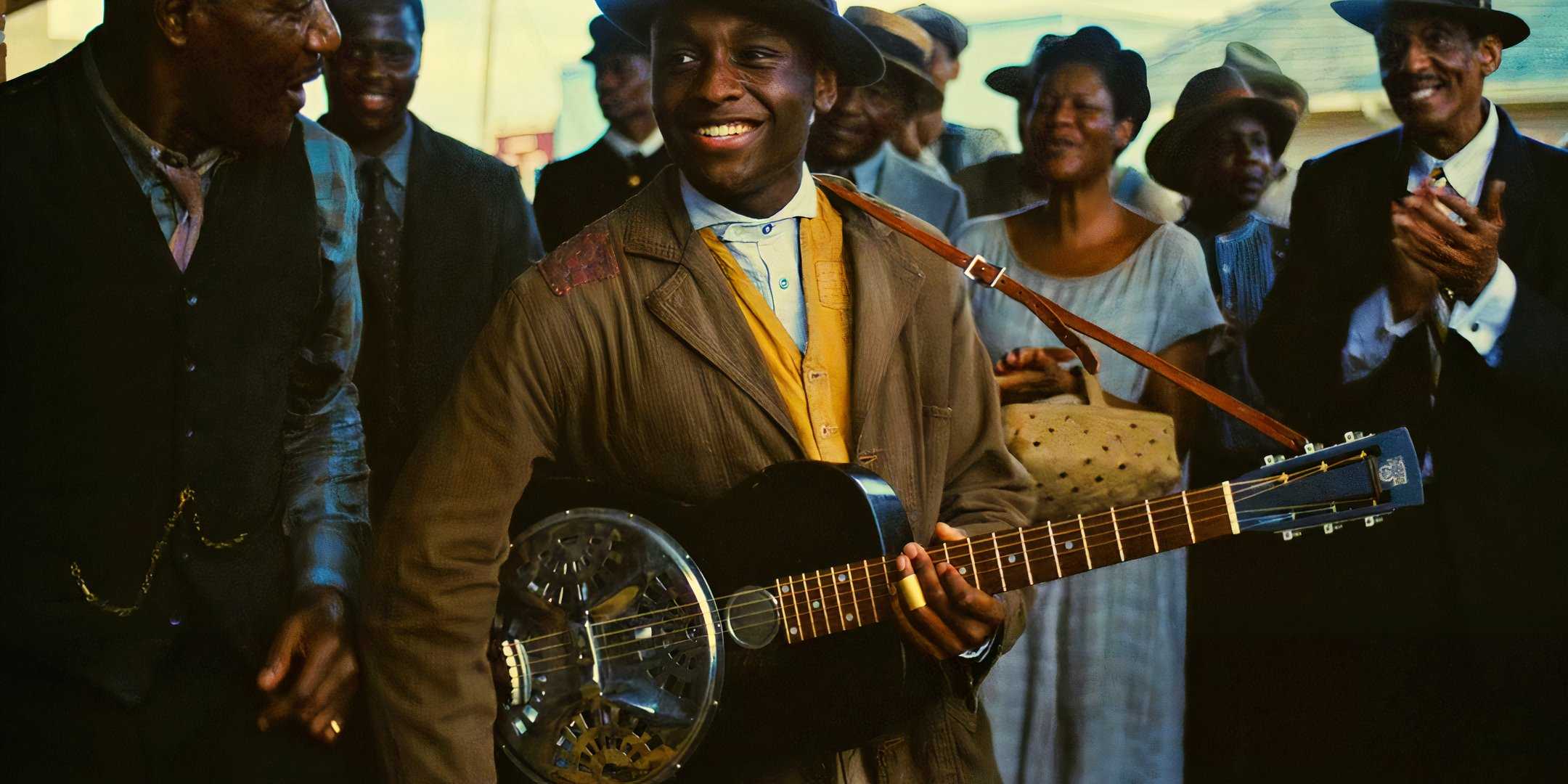
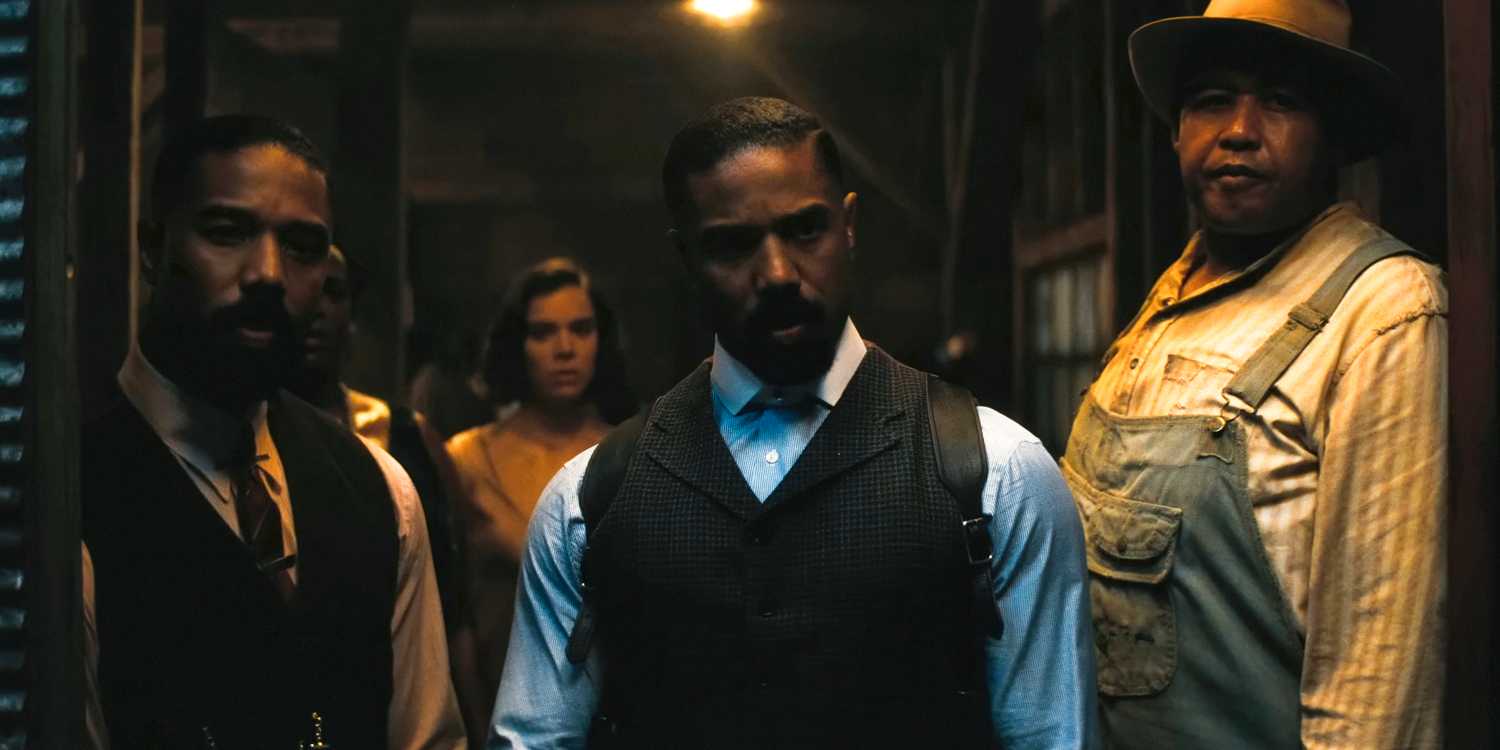
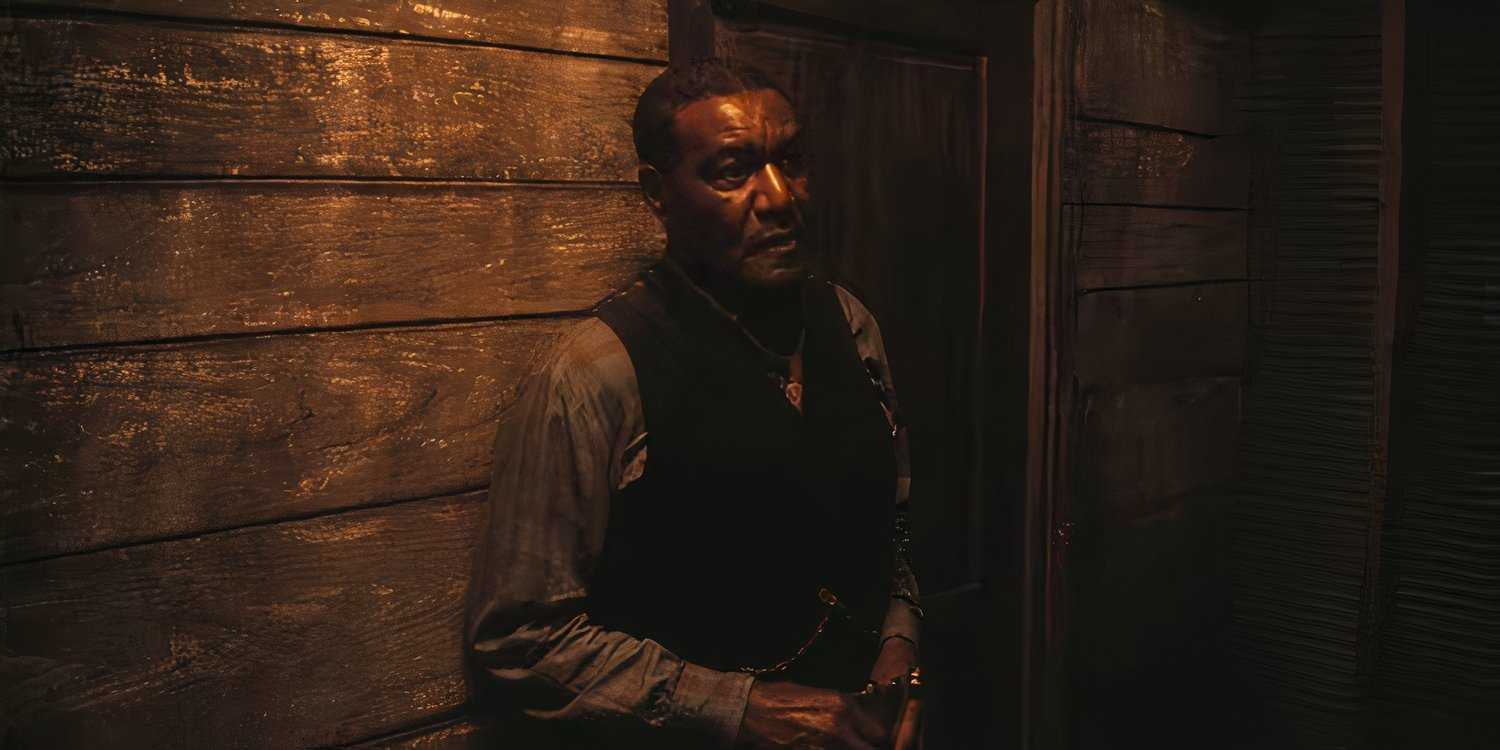
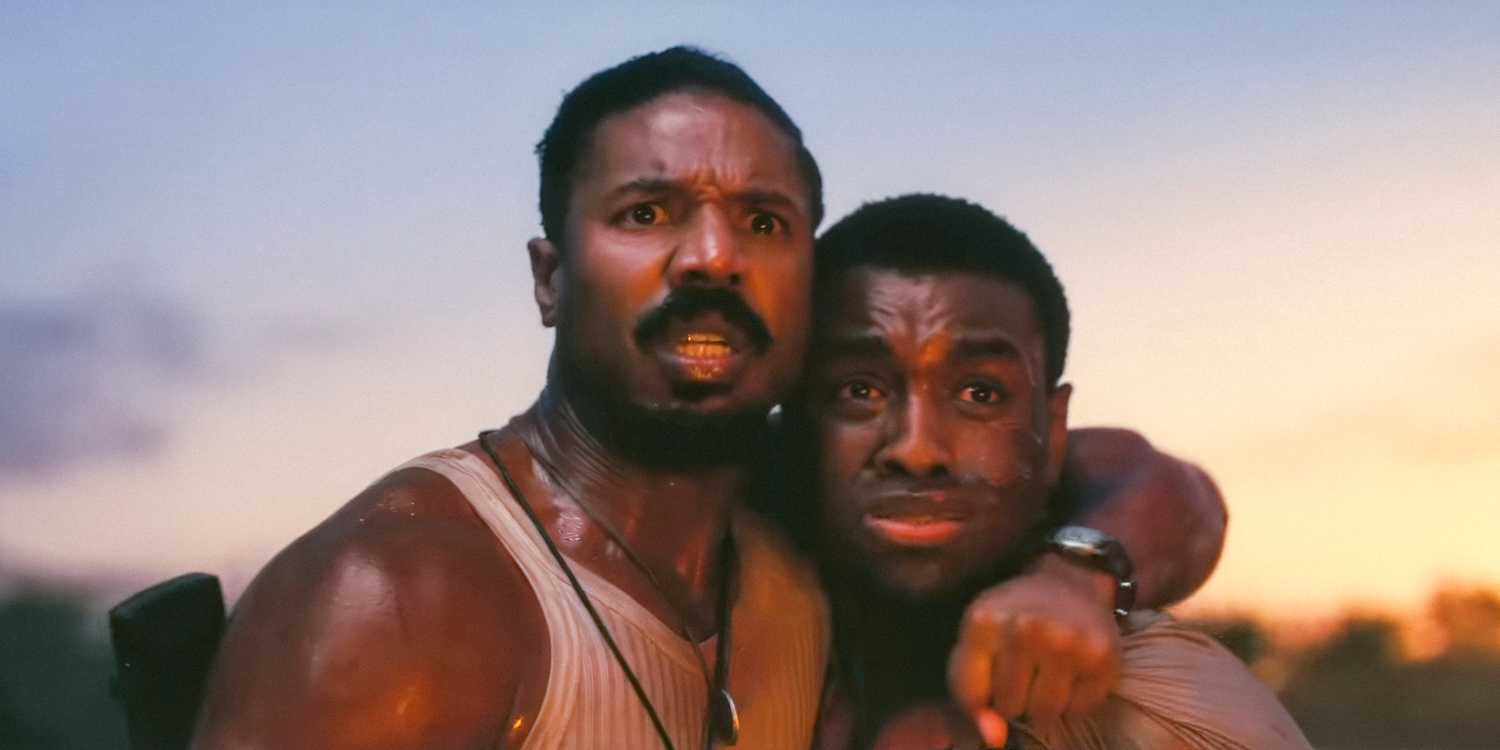
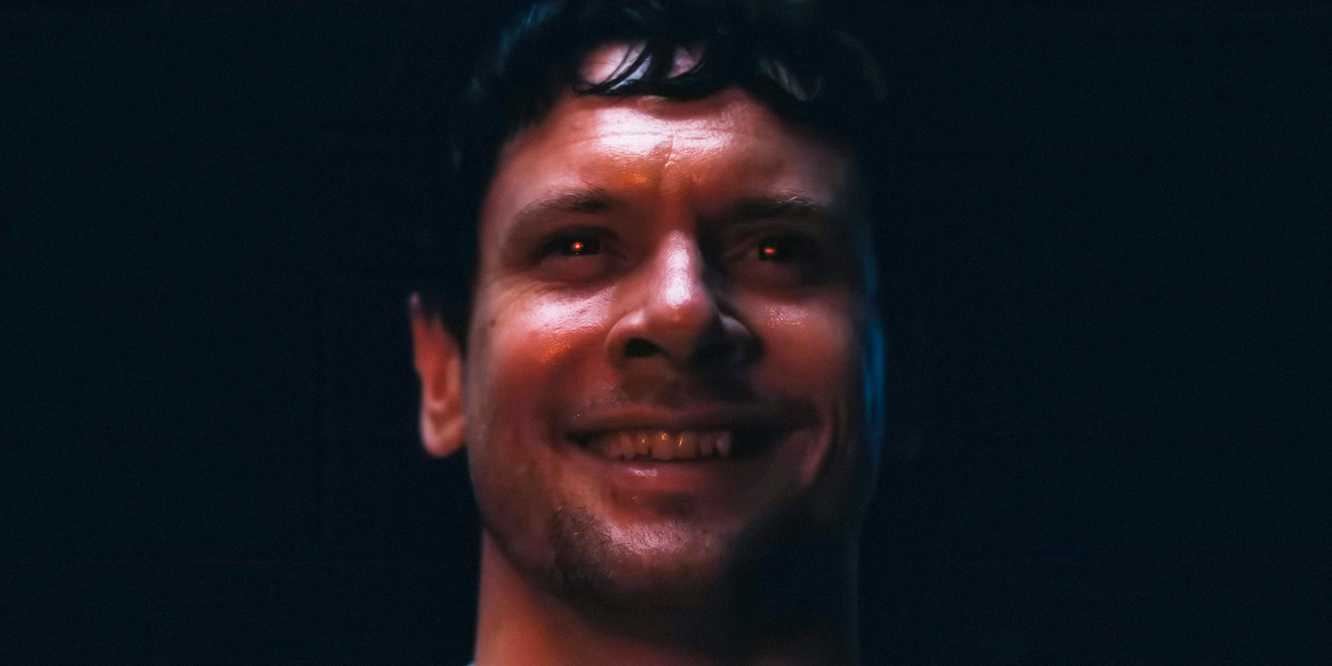
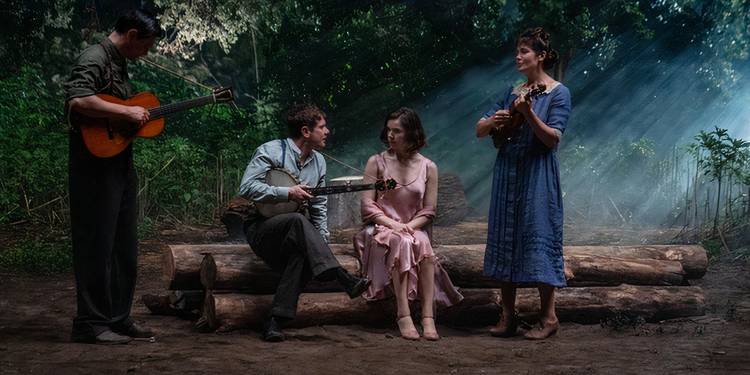
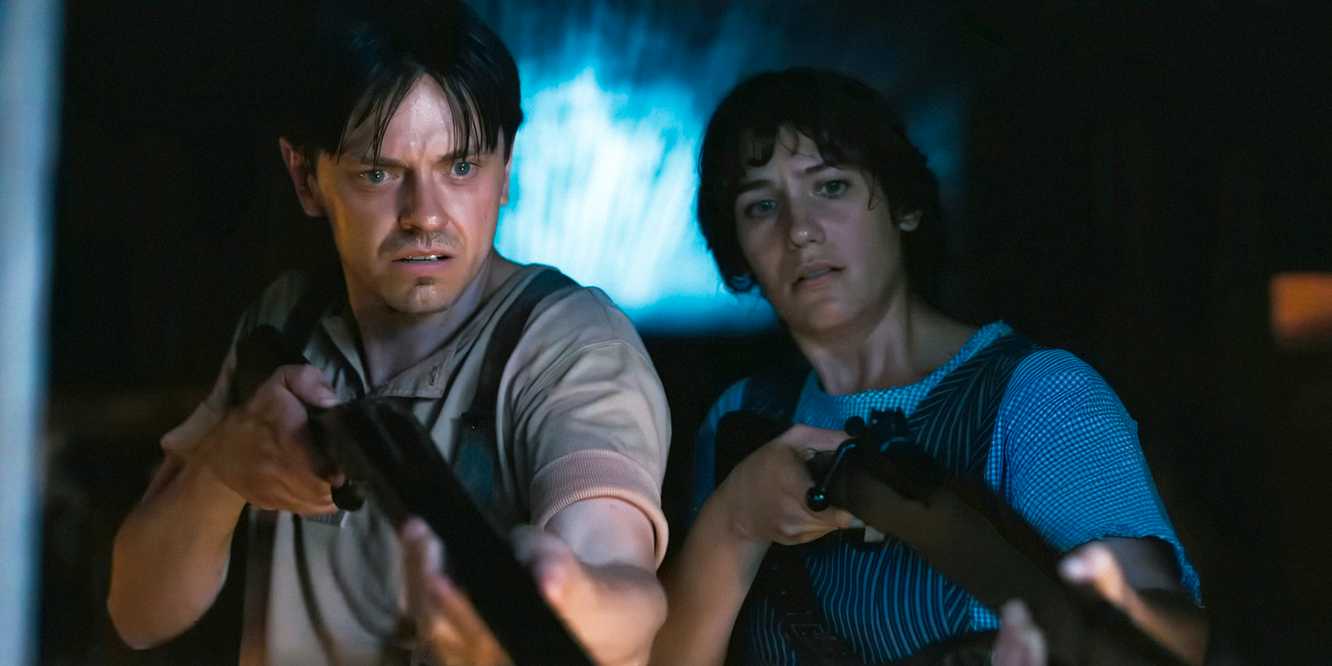 Image via Warner Bros.
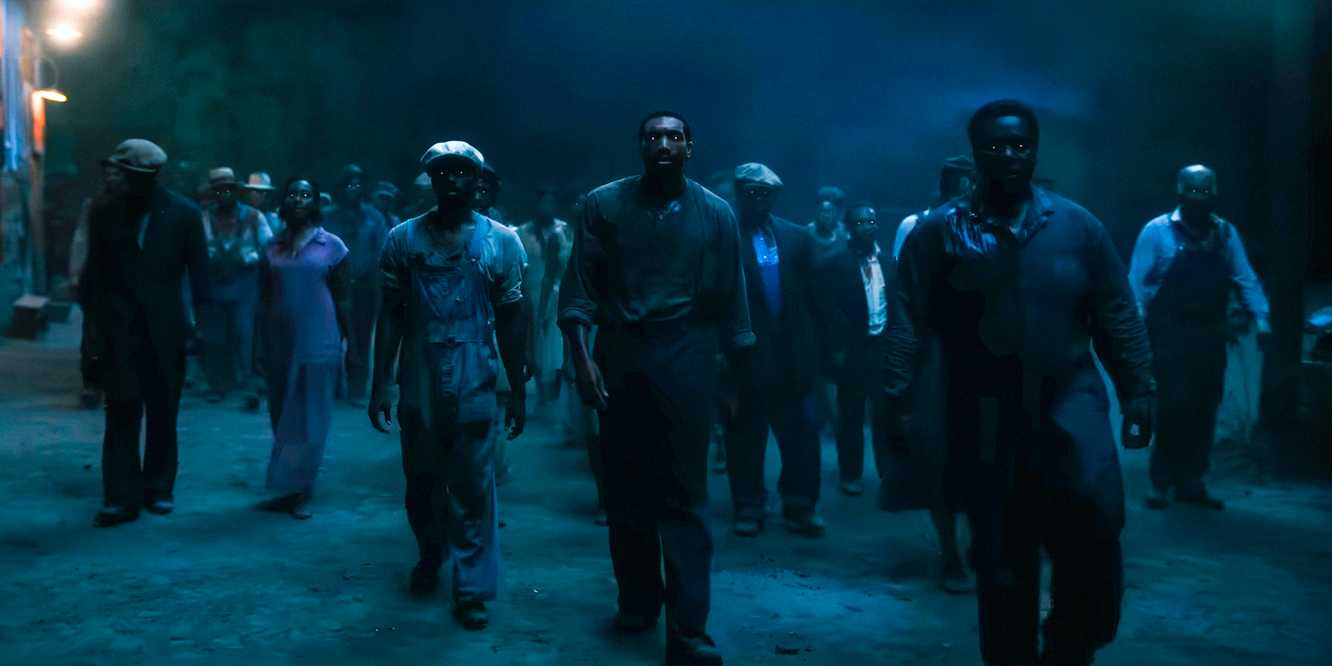

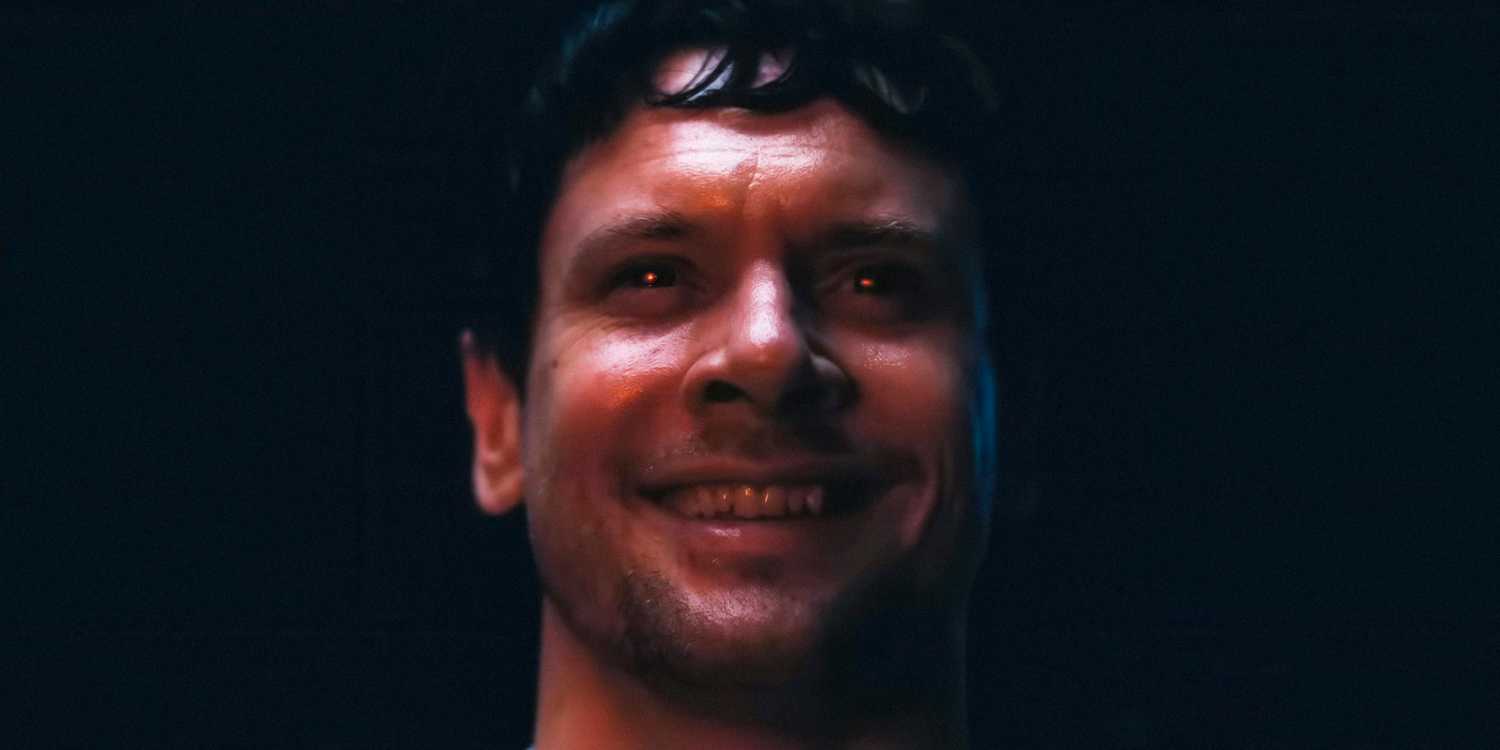
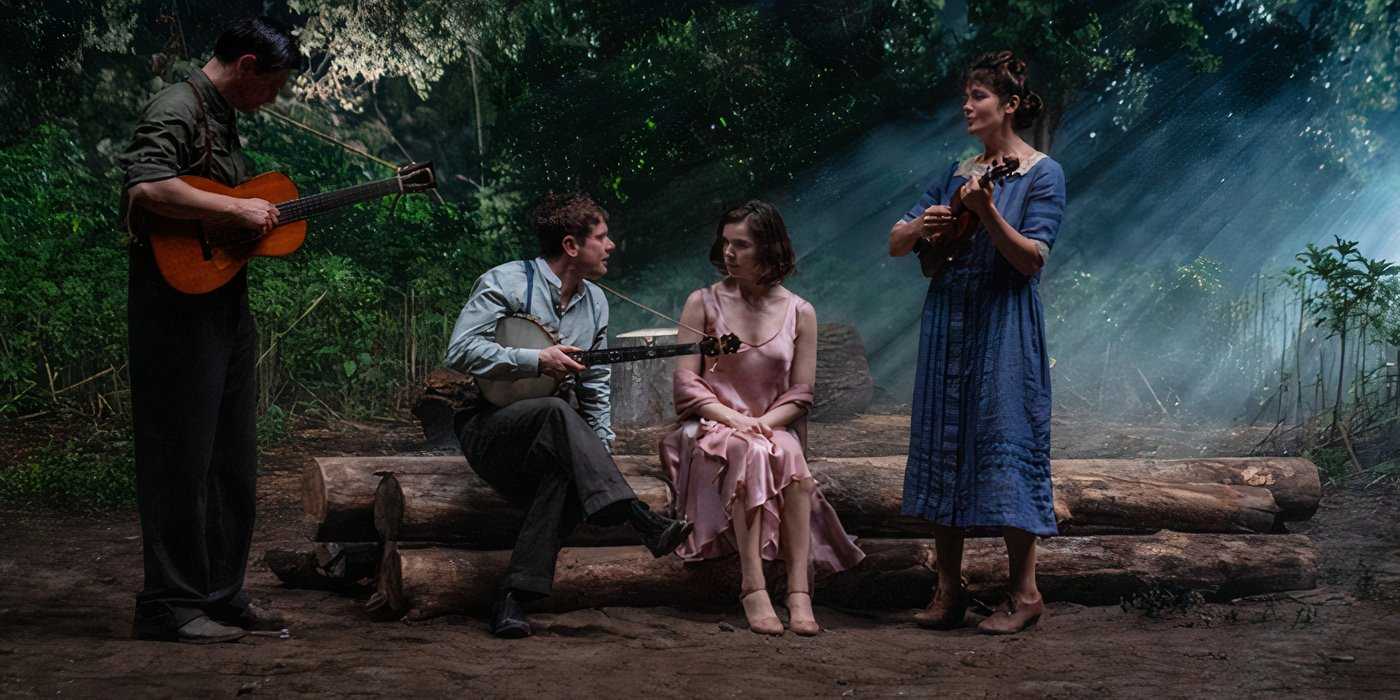
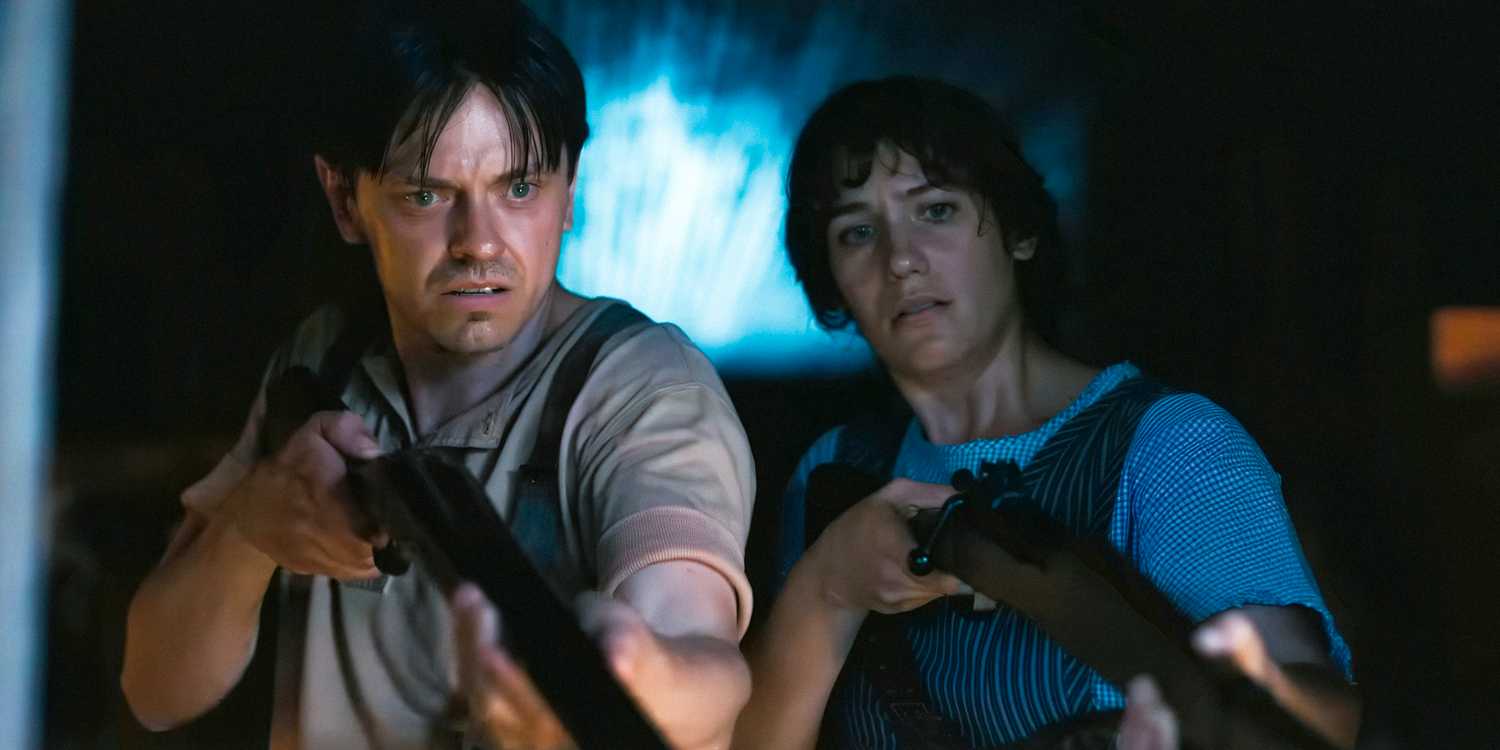 Image via Warner Bros.