
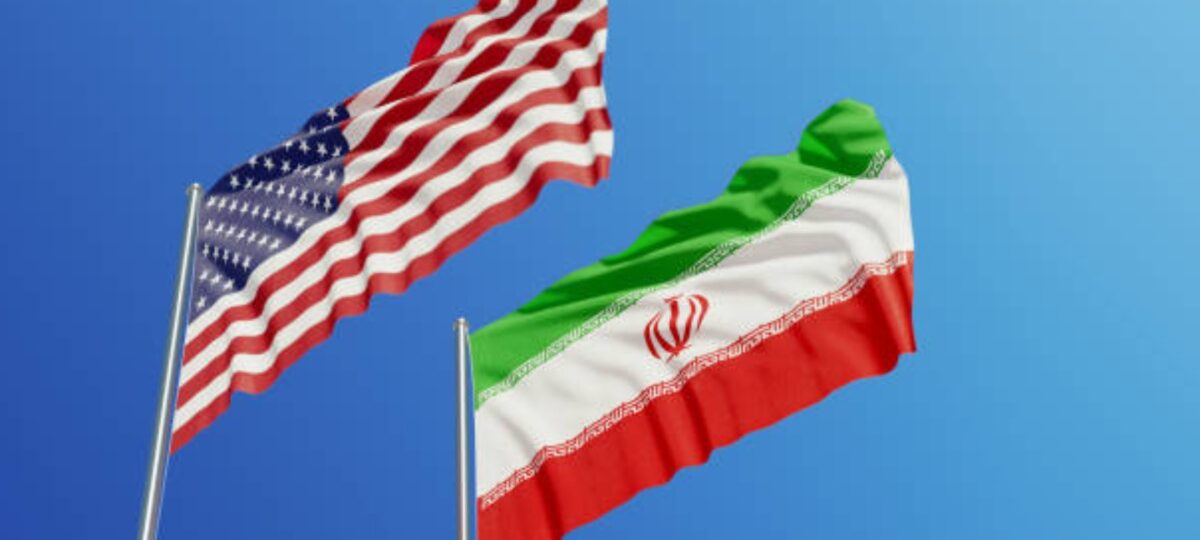
The United States and Iran separately commented on the conditions of the peace deal confirmed by Pakistan Prime Minister Shehbaz Sharif, the mediator.
On Friday, Sharif indicated that “a final, agreed-upon text” of the pact has been reached, with Pakistan now working closely with both sides to finalize the next steps.
In a post on X, Vice President JD Vance said “a lot of fake information” was circulating regarding a potential deal to reopen the Strait and end Iran’s nuclear weapons program.
“First, the Iranians are not receiving any cash, and no funds are being released for simply signing a deal or attending a meeting,” he wrote.
Vance said the deal prioritizes the concerns of the U.S. and its allies, and that if Iran meets its obligations, economic benefits will flow to them and to the entire Gulf area.
The VP believes the deal can “remake the region and lead to lasting peace,” assuring that President Donald Trump will ensure “a good outcome, one way or the other.”
But Iran’s Foreign Minister Abbas Araghchi insists a final agreement hasn’t been reached as it comprises two stages. “We have moved the nuclear issue to the second stage,” he hinted.
Araghchi said the U.S. will have to state in writing that it respects Iran’s sovereignty, revealing the MoU covers the nuclear issue, sanctions relief, reconstruction, and frozen funds.
The official added that ending the war in the agreement also means Israel’s withdrawal from the occupied areas in southern Lebanon, a condition “explicitly stated to the other side.”
On the Strait of Hormuz stalemate, Araghchi stressed that the route is under the sovereignty of Iran and Oman, opposing the argument that it is an international waterway.
“Fees will be charged for services in the Strait of Hormuz, and these services will no longer be free,” he declared. “This important matter has been confirmed: payment of fees is required.”
Araghchi further claimed the MoU, if signed, provides that Iran’s frozen assets will be released, disclosing that a reconstruction plan has been envisaged to compensate Iran for damages.
“If the agreements reached in the first phase are not implemented, we will not proceed to the second phase,” he said. “We should expect problems in the other side’s implementation of the agreement.”
Discover more from NAIRAVOICE.COM.NG
Subscribe to get the latest posts sent to your email.

![[UPDATED] Ebola: Nigeria Has 54 Primary Contacts Now, Many Are In Quarantine, Says NCDC](https://www.nairavoice.com.ng/wp-content/uploads/2026/10/nairavoice-news-314133-sp-3937-600x340.jpg)