When Paul W. S. Anderson brought Capcom’s acclaimed survival-horror games to the big screen in 2002, his adaptation struck a chord with audiences and became a box office success. Though critics took issue with its cheesy moments and formulaic approach to the source material, the fans loved it as the movie helped launch a big-screen franchise that would span multiple installments and become a multimillion-dollar success. Now, more than two decades later, Resident Evil is back in theaters with a new reboot from writer-director Zach Cregger, taking the beloved horror franchise to even greater heights.
Cregger’s Resident Evil reboot has made a remarkable impression and is officially the highest-rated video game adaptation to date. The movie stars Austin Abrams as its lead protagonist and draws inspiration from elements of the second, third, and fourth games. Made on a reported $75 million budget, the film has already grossed $383 million worldwide and counting, making it the third-highest-grossing horror movie of the year behind Obsession and Backrooms and the highest in the franchise. The reception has been overwhelmingly positive, with critics seemingly just as impressed as audiences. The reboot currently boasts an impressive 96% Tomatometer score on Rotten Tomatoes, a remarkable achievement for a video game adaptation in a genre that has historically struggled to win over critics.
Thanks to Netflix’s deal with Sony Pictures Releasing for exclusive streaming rights, Cregger’s Resident Evil reboot will stream on the platform. Based on the usual 120-day theatrical-to-streaming window, the horror movie could arrive in mid-January 2027. Before then, fans can look forward to watching it digitally, with the film’s digital release confirmed for November 3. Netflix is, however, preparing to engage fans earlier, as on November 1, 2026, the platform will welcome the first two movies in Paul W. S. Anderson’s original series, Resident Evil (2002) and Resident Evil: Apocalypse (2004), both starring Milla Jovovich as the iconic Alice.
Your instincts, your strengths, and your particular way of thinking under pressure point to one villain you actually have a fighting chance against. Everyone else — good luck.
Jason is relentless, but he is also predictable — and that is the gap you would exploit.
- He moves in straight lines toward his target. He doesn’t strategise, doesn’t adapt, doesn’t outsmart. He simply pursues.
- Your ability to keep moving, use the environment, and resist the panic that freezes most victims gives you a genuine edge.
- The Crystal Lake survivors were always the ones who stopped running in circles and started thinking about terrain, water, and distance.
- You think like that. Which means Jason, for all his indestructibility, would face someone who simply refused to be where he expected.
Michael watches before he moves. He is patient, methodical, and almost impossible to detect — until it’s too late for anyone who isn’t paying close enough attention.
- But you are paying attention. You notice the shape in the window, the car parked slightly wrong, the silence where there should be sound.
- Michael’s power lies in the invisibility of ordinary suburbia — the fact that nothing ever looks wrong until it already is.
- Your spatial awareness and instinct to map every room, every exit, and every shadow before you need them is precisely the quality Laurie Strode had.
- You are not a victim waiting to happen. You are someone who already suspects something is wrong — and acts on it.
Freddy wins by getting inside your head — using your own fears, your own memories, your own subconscious as weapons against you. That strategy requires a target who can be destabilised.
- You are harder to destabilise than most. You’ve faced uncomfortable truths about yourself and you haven’t looked away.
- The survivors on Elm Street were always the ones who understood what was happening and chose to face it rather than flee from it.
- Freddy’s greatest weakness is that his power evaporates in the presence of someone who refuses to give him the fear he feeds on.
- Your psychological resilience — the ability to stay grounded when reality itself becomes unreliable — is exactly the quality that keeps you alive here.
Pennywise is ancient, shapeshifting, and feeds on terror — but it has one critical vulnerability: it cannot function against someone who genuinely stops being afraid of it.
- The Losers Club didn’t survive because they were braver than everyone else. They survived because they faced their fears together, and faced them honestly.
- You ask the questions others avoid. You look directly at what frightens you rather than turning away.
- That directness — the refusal to let fear fester in the dark — is Pennywise’s worst nightmare.
- It chose the wrong target when it chose you. You are exactly the kind of person whose fear tastes like nothing at all.
Chucky’s greatest advantage is that nobody takes him seriously until it’s already too late. He exploits the gap between how something looks and what it actually is.
- You don’t have that gap. You take threats seriously regardless of how they present — and you never make the mistake of underestimating something because of its size or appearance.
- Chucky relies on surprise, on the delay between recognition and response. You close that delay faster than almost anyone.
- Your instinct to treat every unfamiliar thing with appropriate scepticism — rather than dismissing it because it seems absurd — is the exact quality that keeps you breathing.
- Against Chucky, not laughing is already winning. You are very good at not laughing.
What Else Is New on Netflix This Weekend?
 Images via Sony Pictures
- Image via Constantin Film
- Image via Constantin Film
- Image via Constantin Film
- Image via Sony
 Images via Sony Pictures
 Image via Constantin Film
 Image via Constantin Film
 Image via Constantin Film
 Image via Sony
- Images via Sony Pictures
- Image via Constantin Film
- Image via Constantin Film
- Image via Constantin Film
- Image via Sony
 Images via Sony Pictures
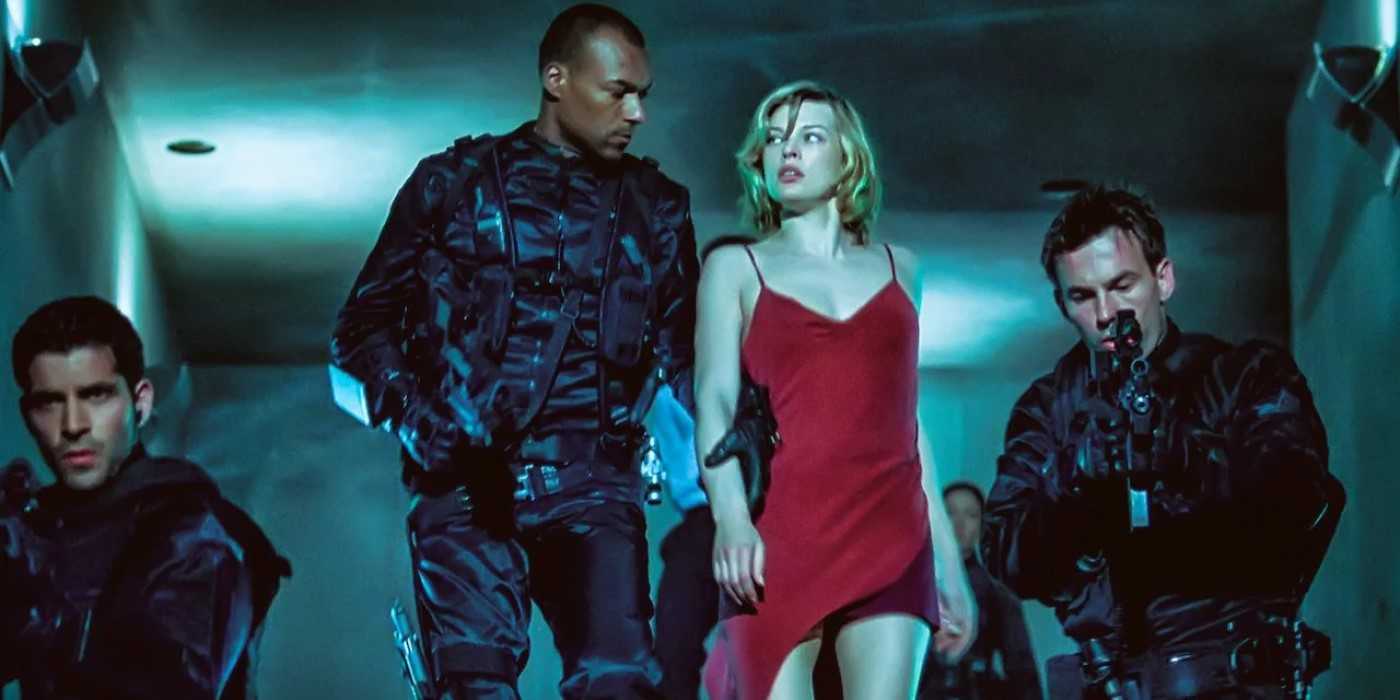 Image via Constantin Film
 Image via Constantin Film
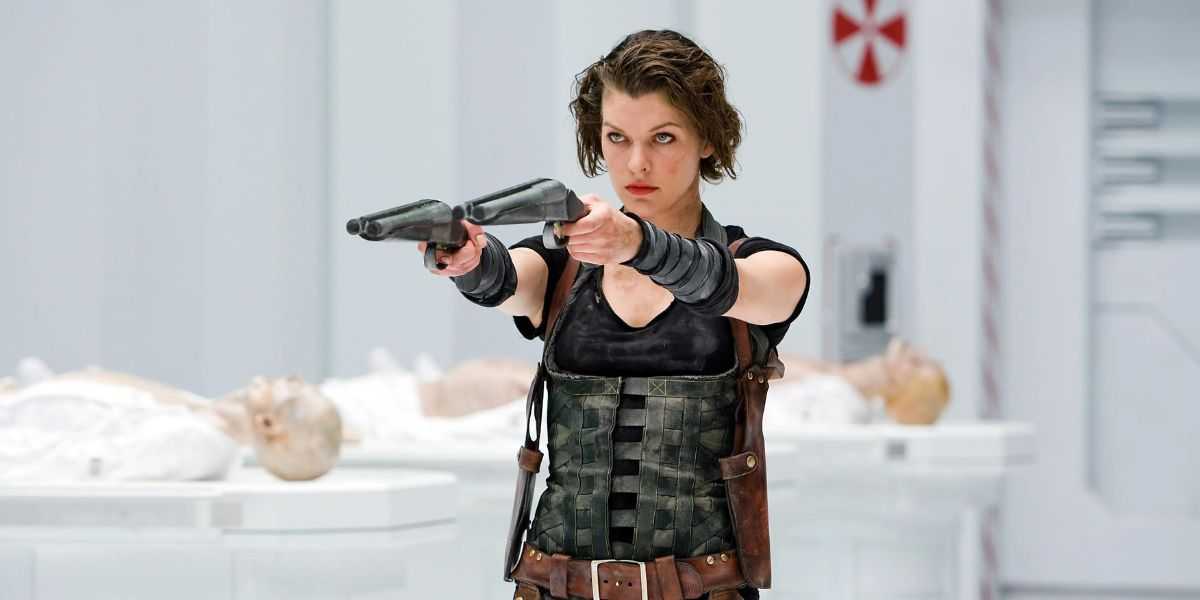 Image via Constantin Film
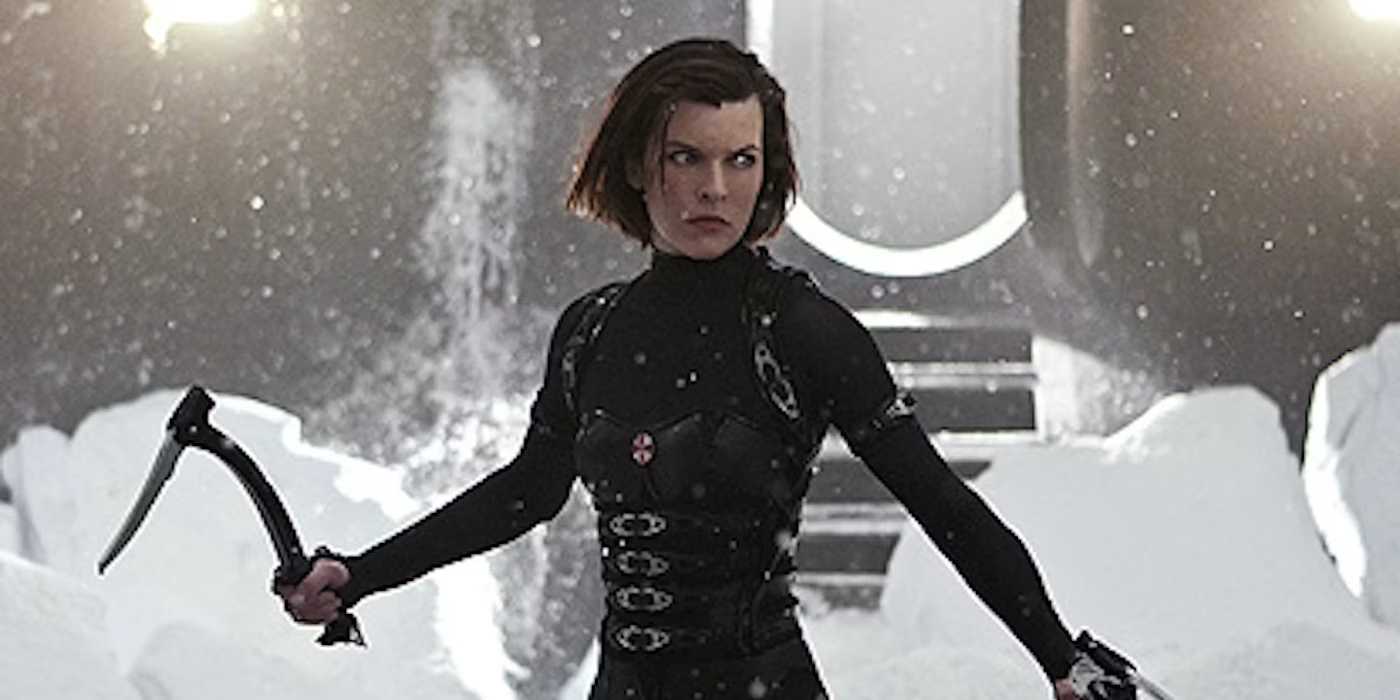 Image via Sony
With the arrival of a new month, Netflix is rolling out its usual content refresh, bringing a fresh batch of titles to the platform. The November lineup offers something for everyone, but horror fans have a few extra reasons to celebrate as the spooky season continues. Alongside the first two Resident Evil movies, subscribers can revisit James Wan‘s supernatural horror sequel Insidious: Chapter 2 and its 2015 follow-up, Insidious: Chapter 3.
For those who prefer their thrills without the supernatural scares, Sylvester Stallone‘s Cliffhanger is another notable new addition. The 1993 action thriller follows a mountain climber caught in a deadly heist high in the Rocky Mountains and remains a tense watch for fans of high-altitude action. It’s also a timely addition, given that a remake starring Pierce Brosnan is in the works.
Resident Evil
Discover more from NAIRAVOICE.COM.NG
Subscribe to get the latest posts sent to your email.