
You need to be sitting down before you begin this article, because something shocking has occurred.
The NCAA has made an intelligent decision.
I know. I’m as gobsmacked as you are. I didn’t know they knew how to do that.
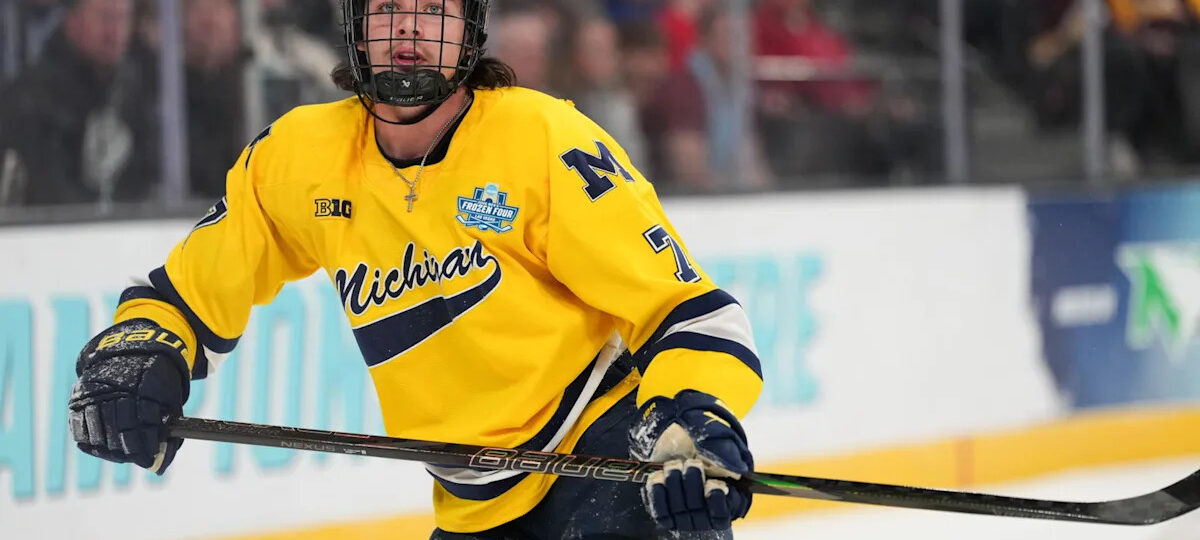
A few weeks ago, I broke down that the NCAA was going to move to “5-in-5”, an age-based eligibility model that would have begun an athlete’s eligibility after expected high school completion date or when the player turned 18. Once the clock began, the player would have five years to play five seasons of college athletics. This model was intended to stop significantly overage players from entering college athletics via junior college or through delays in high school.
However, as I explained, the model was severely flawed, particularly for hockey. For one thing, it punished Québécois players, who often graduate at 17, and meant that 17-year-olds could not take a year to play in another league and gain more experience before entering NCAA hockey. For another, it eliminated any sort of gap year (with limited exceptions), something which some of its own member schools explicitly encourage. On top of that, the rule would take effect immediately with no time for players to adjust their plans. The 2025 and 2026 classes would have been severely impacted – players forced to sacrifice more eligibility and lose lineup spots with no recourse.
Overall, it was going to severely hurt NCAA hockey’s players who typically come to college at 19. The proposal was so unpopular that all 63 coaches voted against it, a feat which occurs about as often (perhaps less often) than Halley’s Comet. The NHL, CHL, USHL and the coaches all told the NCAA that they opposed the rule.
In exchange, hockey proposed that eligibility begin at either age 19 or at the beginning of college enrollment, whichever came first. Beginning of college enrollment would cover those who went to school straight after graduating, 19 would cover most players who took a year away. Hockey loses its old three years of deferred enrollment privilege, but they were willing to sacrifice that to get this done. There would still be players who might lose a year of eligibility due to graduating high school at an older age or other reasons, but the number is far, far less.
The NCAA firmly rejected it. Coaches were told by NCAA vice president and chief legal officer Scott Bearby that the rule would not be changing. It seemed as though that might be the end of the conversation.
But hockey vowed they would keep pushing. NHLPA president Bill Daley met with NCAA president Charlie Baker to discuss it. Admirable, I thought, but surely useless. The NCAA was not going to listen to its least-significant big sport on this. I firmly there’s one guy in the NCAA office who only works three days a week and is employed solely to remind them that they do sponsor ice hockey as a sport and occasionally might need to consider it, and he was on vacation while they were debating this proposal.
Then, I got one of the greatest alerts ever on my phone.
From Mike McMahon: Breaking: The NCAA accepts the hockey counterproposal on age-based eligibility.
My god. They did it! How did they do that!?
It turns out it wasn’t so much that hockey’s plight had touched the hearts of the NCAA the way ASPCA commercials for sad puppies do. They got basketball on their side. (And soccer, too — let us not forget about the Superior Football). Basketball is one of the sports that the NCAA actually cares about, so they were obviously more likely to listen.
This solution solves the gap year problem, which means the NCAA is less likely to get sued for treating student-athletes differently. It solves 17-year-olds getting screwed for being smart and ahead a grade or for being French-Canadian. It solves the issue of figuring out whatever the heck “expected date of graduation” was. It limits the damage to the next few classes and will minimize disruption in the future. It’s not perfect, but it’s a lot better than the NCAA’s solution, and it’ll help college hockey survive and continue to thrive with the new CHL-NCAA agreement.
Congrats, hockey. Well done.
Discover more from NAIRAVOICE.COM.NG
Subscribe to get the latest posts sent to your email.