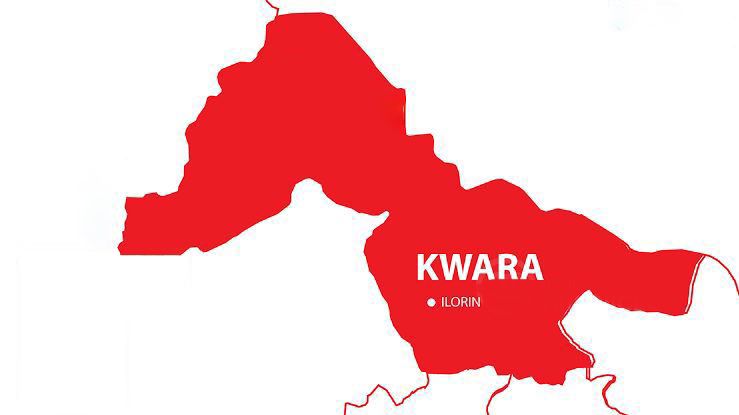
ILORIN, NIGERIA – A Kwara-based public affairs analyst, Comrade Ishowo Olanrewaju, has called on the Kwara State Government to convert the recently established Kwara State University of Education (KWASUED) into a specialised medical university to address the persistent shortage of doctors and other healthcare professionals in the state.
Ishowo made the call in Ilorin over the weekend while speaking with journalists on the sidelines of recurring strikes by medical doctors in state-owned hospitals.
He expressed concern that the shortage of medical personnel had left available doctors overstretched by the volume of patients they attend to daily, warning that the situation made industrial action in the health sector particularly troubling.
The Olanrewaju argued that the state government should have prioritised the establishment of a specialised medical institution over a university dedicated to education, given what he described as Kwara’s more pressing need for doctors, nurses and other healthcare professionals.
He cited the Bayelsa Medical University in Bayelsa State, the State University of Medicine and Applied Sciences in Enugu State, and the University of Medical Sciences in Ondo State as examples of institutions established to focus on medical and health-related education.
According to him, converting KWASUED into a specialised medical university would provide a strategic response to the shortage of healthcare workers and help strengthen the state’s health system.
Olanrewaju Questions Priority Given to Education University
Olanrewaju maintained that Kwara already had several institutions producing graduates in education, arguing that the state should reconsider its priorities in establishing new universities.
He also pointed to public and private colleges of education across the state that train teachers for the education sector.
“The number of educators we produce far exceeds what we need or can employ. Our challenge is not a lack of teachers. It is a dangerous shortage of doctors, nurses and other medical professionals.
“That reality should have informed the government’s decision when it was considering establishing a new university,” he said.
Olanrewaju argued that the availability of existing teacher-training institutions should prompt the government to assess the state’s workforce needs before investing in additional specialised institutions.
He said the shortage of healthcare professionals required urgent attention because of the pressure it placed on doctors and the wider health system.
However, his proposal centres on converting KWASUED rather than establishing a separate medical university, a move that would require the state government to reconsider the institution’s current purpose and future direction.
Proposed Medical University to Train Healthcare Workers
Olanrewaju said converting KWASUED into a specialised medical institution could help establish a more consistent supply of doctors and other healthcare professionals to meet the needs of Kwara and other parts of Nigeria.
“To address the persistent shortage of doctors and other medical personnel, I am calling for the conversion of KWASUED into a specialised medical institution,” he said.
He argued that a dedicated medical university could expand opportunities for medical training and contribute to addressing the human-resource challenges affecting healthcare delivery in the state.
The proposal comes amid concerns raised by the analyst over recurring industrial action by doctors in state hospitals and the workload faced by available medical personnel.
He maintained that expanding the pipeline of locally trained healthcare professionals should form part of a broader response to the state’s medical workforce challenges.
The proposal, however, did not include details on the estimated cost of converting the university, the facilities required, the courses to be introduced or the timeline for implementation.
Olanrewaju’s call was presented as a policy recommendation, and no response from the Kwara State Government on the proposed conversion was included in the statement.
Scholarships and Service Bonds Proposed to Retain Doctors
Beyond converting the institution, Olanrewaju proposed a scholarship scheme for indigenes of Kwara State admitted to the proposed medical university.
Under the arrangement, beneficiaries would receive government-funded scholarships to study medicine and other related health courses, in exchange for a commitment to work in the state for five years after graduation.
He said the service bond would help the government retain locally trained professionals instead of losing them to other states or countries immediately after completing their studies.
“Let the government provide scholarships for Kwara indigenes who want to study medicine and other related health courses, and bond them to serve the state for five years post-graduation.
“This is how we begin to systematically solve the shortage of medical personnel that has plagued us for years,” he said.
He maintained that linking financial support for medical education to a period of service in state hospitals could help build a more reliable workforce for public healthcare facilities.
Such an arrangement, as proposed, would require the government to establish clear scholarship conditions and service obligations for beneficiaries.
However, Olanrewaju did not provide details on how the proposed scheme would be funded, administered or enforced.
Other States Cited as Examples
Ishowo said some state governments had recognised the importance of dedicated medical universities and had taken steps to establish institutions focused on health sciences.
He also referred to plans by the Lagos State Government to establish a university of medicine and health sciences to address shortages of doctors and other healthcare workers.
According to him, these examples demonstrated how governments could respond to identified workforce needs through targeted investments in specialised higher education.
“These states identified a need and responded to it strategically. Kwara can and should do the same. The conversion of KWASUED into a specialised medical university will be a response to a documented crisis that is costing Kwarans their health and their lives,” he said.
The analyst urged the Kwara State Government to reconsider its priorities and explore the proposed conversion as part of efforts to address the shortage of medical personnel.
His recommendation places the training and retention of healthcare professionals at the centre of the debate over the state’s higher education priorities, although the government has yet to state its position on the proposal in the information provided.
Discover more from NAIRAVOICE.COM.NG
Subscribe to get the latest posts sent to your email.