The National Commission for Colleges of Education (NCCE) has unveiled a new curriculum and a five-year strategic plan aimed at improving teacher education and strengthening the capacity of colleges of education to award degrees alongside the Nigeria Certificate in Education (NCE).
The reforms are designed to reposition colleges of education to produce competent teachers with modern teaching skills, digital knowledge and practical experience, while expanding academic opportunities for students.
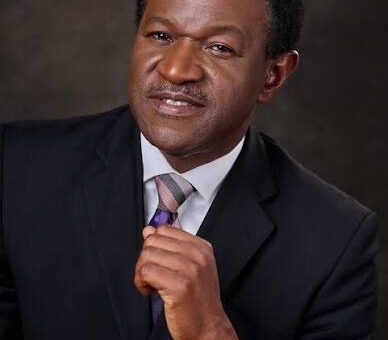
The Executive Secretary of the NCCE, Dr Angela Ajala, announced the initiative on Tuesday at a national retreat and workshop on the implementation of the dual mandate and the commission’s Medium-Term Strategic Plan for 2026–2031 in Abuja.
Ajala said the dual mandate offered an opportunity to strengthen teacher preparation, expand academic pathways and improve the quality of professional training in colleges of education.
She explained that the reforms were intended to move the institutions beyond their traditional role of awarding certificates by equipping them to deliver degree programmes while maintaining the standards required for effective teacher education.
New Curriculum Incorporates Digital Skills, Inclusive Education
Ajala said the newly developed curriculum incorporated digital competencies, inclusive education, entrepreneurship and innovative teaching methods to prepare teachers for changing classroom demands.
According to her, its development involved consultations with academics, curriculum specialists, professional bodies and regulatory agencies to ensure that the proposed changes reflected the needs of teacher education.
The curriculum is expected to strengthen the professional preparation of teachers by combining subject knowledge with practical teaching skills and competencies relevant to contemporary education.
The inclusion of digital competencies is intended to prepare teachers to engage with technology in teaching and learning, while inclusive education is designed to address the needs of learners with different abilities and backgrounds.
Entrepreneurship and innovative teaching methods also feature in the curriculum, broadening the range of skills prospective teachers are expected to acquire during their training.
However, Ajala cautioned that introducing a new curriculum would not automatically translate into improved educational outcomes without the necessary institutional support.
She identified adequately trained lecturers, modern facilities, effective quality assurance mechanisms and appropriate funding as essential requirements for successful implementation.
The NCCE chief urged provosts and other college administrators to assess their institutions’ readiness to implement the dual mandate, including their staffing levels, infrastructure, curriculum delivery systems, governance structures and financial sustainability.
She said institutions needed to identify existing gaps and address them to ensure that the introduction of degree programmes did not undermine the quality of teacher education.
Minister Warns Against Prioritising Degree Programmes Over Standards
The Minister of State for Education, Professor Suwaiba Sa’id Ahmad, said the success of the dual-mandate policy should be measured by the quality of graduates and the academic standards maintained by participating institutions, rather than the number of colleges introducing degree programmes.
Ahmad stressed that colleges must demonstrate that they possess the necessary personnel, facilities and administrative structures before commencing or expanding degree programmes.
She said institutions seeking to operate under the dual mandate must have adequately qualified academic staff, appropriate teaching and learning facilities, functional quality assurance systems and sound governance arrangements.
The minister’s position underscores the need to ensure that the expansion of academic offerings is accompanied by the capacity to deliver programmes that meet established standards.
She also urged the NCCE to ensure that the new curriculum was properly disseminated and consistently implemented across participating institutions.
According to Ahmad, mechanisms must be established to monitor compliance, evaluate implementation and assess learning outcomes to determine whether the reforms are achieving their objectives.
She said effective monitoring would help identify implementation challenges and ensure that institutions remained aligned with the requirements of the new curriculum.
Colleges Urged to Align Budgets With Strategic Plan
Ahmad called on colleges of education to align their institutional development plans, annual budgets, staffing strategies and infrastructure priorities with the objectives of the NCCE Medium-Term Strategic Plan for 2026–2031.
She said the strategic plan should guide institutional decisions and resource allocation to support the reforms over the five years.
The minister emphasised that colleges would need to make deliberate investments in personnel, facilities and quality assurance to meet the expectations associated with the dual mandate.
She also called for stronger collaboration among the Federal Ministry of Education, the NCCE, the National Universities Commission (NUC) and college managements.
According to her, coordination among the institutions would be necessary to ensure effective implementation and prevent duplication of regulatory responsibilities.
The collaboration is expected to help clarify the roles of the relevant agencies in overseeing academic programmes and maintaining standards as colleges expand their offerings.
The NCCE, which oversees colleges of education, is expected to play a central role in disseminating the curriculum and supporting institutions as they work towards implementing the policy.
The minister also formally unveiled the new dual-mandate curriculum and the commission’s Medium-Term Strategic Plan for 2026–2031 during the workshop.
Implementation to Determine Impact on Teacher Preparation
The introduction of the curriculum and strategic plan marks a new phase in efforts to expand the academic and professional responsibilities of colleges of education.
The dual mandate provides a framework for institutions to award degrees alongside the NCE, but its implementation will depend on their ability to meet the required academic, administrative and infrastructural standards.
The emphasis placed by both Ajala and Ahmad on staffing, funding, facilities, governance and quality assurance highlights the practical requirements that colleges must address as they prepare to deliver degree programmes.
For the reforms to achieve their stated objectives, participating institutions will need to translate the curriculum into effective teaching practices and ensure that graduates acquire the competencies required for the profession.
The NCCE and other relevant regulatory bodies will also need to monitor implementation and assess learning outcomes to establish whether the changes are improving teacher preparation.
Ahmad urged stakeholders to work together to ensure that the curriculum and strategic plan are effectively implemented, with the broader objective of strengthening teacher education and improving learning outcomes nationwide.
Discover more from NAIRAVOICE.COM.NG
Subscribe to get the latest posts sent to your email.