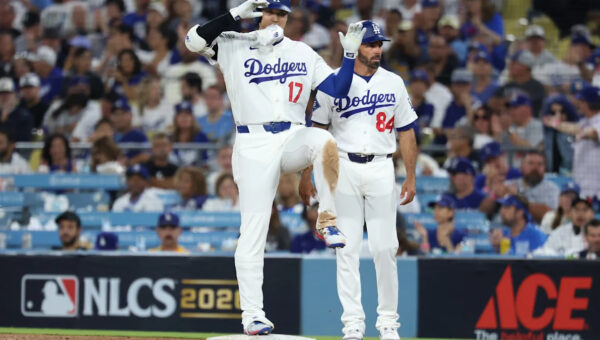
As a dynasty neared its apparent demise this week, there was little mourning in the streets. After two consecutive championships and more than a decade of rubbing the rest of Major League Baseball’s noses in their extravagant wealth, the Los Angeles Dodgers were not going to be missed.
The World Series will be better without them, assuming they don’t rally from the 3-0 National League championship series deficit they held heading into Thursday night, but not for the reasons one might guess.
Despite what you’ve heard from the owners of other professional franchises who prefer to pocket their considerable profits instead of reinvesting it in payroll, a team that outspends its competition the way the Dodgers do is not “bad for baseball.”
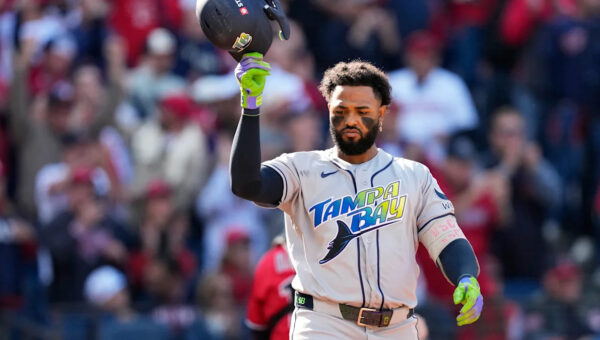
What is worse, of course, are the cheapskates who don’t even try to field a winning team, then claim that they never had a chance in the first place. But if a smart small-market franchise like the Milwaukee Brewers, or the Tampa Bay Rays, or the Cleveland Guardians can find a way to win without a salary cap?
Maybe MLB, reportedly heading for an ugly offseason of labor strife, will take the right lesson from that.
As much as someone like NBA commissioner Adam Silver might want you to believe that parity is the sign of a thriving enterprise, that’s not entirely correct.
Yes, it’s cool that professional basketball has crowned eight different champions in the last eight years, and that no team has even made back-to-back NBA Finals during that span. And yes, that means more fans in more cities have been able to celebrate.
But the reason that keeps happening is also one of the system’s downsides. In short, increasingly restrictive salary-cap rules have made it all but impossible to keep good teams together.
As a casual fan, you probably have no interest in learning what the so-called “second apron” of the luxury tax is. Nor should you. But you probably know it has something to do with why the Milwaukee Bucks parted ways with Giannis Antetokounmpo, and why the Boston Celtics parted ways with Jaylen Brown, and why the New York Knicks might choose to part ways with Karl-Anthony Towns.
All three of those guys became Finals icons this decade. That doesn’t mean a kid can buy their jersey and feel confident it won’t soon become obsolete.
A story about this phenomenon this week in The Ringer asked “What Has the NBA Lost?,” and used the Spurs as an example of a possible dynasty that might never become, well, dynastic under the current system.

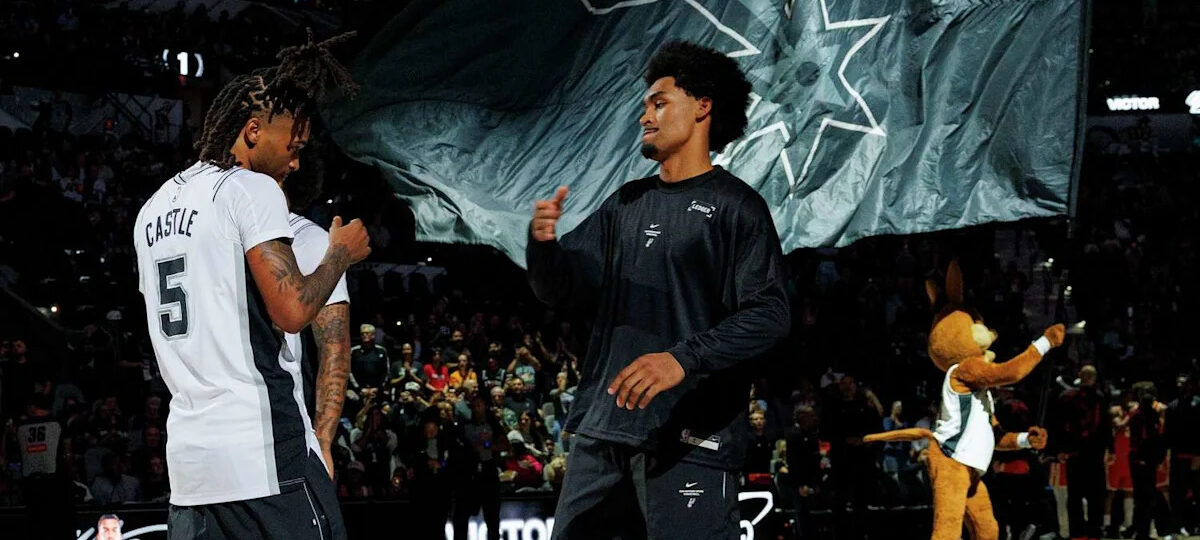
San Antonio Spurs guards Stephon Castle (5) and Dylan Harper (2) embrace as they have their photographs taken during the NBA basketball team’s media day at the Victory Capital Performance Center in San Antonio, Monday, Sept. 28, 2026. (Sam Owens/San Antonio Express-News)
Yes, the Spurs have put together a smart, promising long-term plan. Yes, Victor Wembanyama already has taken less than the maximum on a contract extension to help the cause. And yes, there’s at least a chance he will play alongside Stephon Castle and Dylan Harper as long as Tim Duncan played with Manu Ginobili and Tony Parker.
“Barring a change to the apron rules,” Howard Beck of The Ringer wrote, “it’s almost inevitable that the Spurs’ cap will eventually burst.”
That’s sort of a shame, and not only for San Antonio fans hoping for four or five more championships over the next decade. The truth is, dynasties aren’t so bad for leagues as a whole.
How big of a step forward did the NBA make during the Lakers-Celtics 1980s, and during the Bulls 1990s?
No matter which era you might consider the glory days of Major League Baseball, chances are a superpower like the New York Yankees (or the Oakland A’s, or the Dodgers) were dominating it. And as much as people loved rooting against Bill Belichick and Tom Brady for much of this century, can anyone really say with a straight face that the NFL became less popular because of the New England Patriots?
Giving everyone a common enemy can be a good thing. That’s why, if the baseball owners get their way and wind up with an NBA-style “second apron” setup, there could come a time when they’ll realize that a dynasty wasn’t so bad after all.
Over the past 14 years, the Dodgers won 13 division titles. They went to five World Series, and won it three times. And they did it in part by signing a bunch of superstar players to huge contracts, and trading for others when they became too expensive for other teams.
That’s not optimal, obviously. And for fans in Detroit and Cincinnati and Baltimore, it can be incredibly frustrating.
But if the answer is making sure no dynasties can exist again?
Someday, people might mourn them after all.
Discover more from NAIRAVOICE.COM.NG
Subscribe to get the latest posts sent to your email.