•Prof Tomori asks authorities to prepare •Nigeria’s real test is inside its hospitals •Can health workers count on running water, sanitizer, protective equipment?
By Chioma Obinna
The tap is there. But is there water? The sanitiser dispenser is mounted on the wall. But is it filled? And if a patient walks into a hospital with symptoms that raise suspicion of a dangerous infection, will the health worker attending to that patient have the protective equipment needed to stay safe?
These questions may sound routine. But as Nigeria confronts a confirmed case of Bundibugyo Ebola virus disease, they go to the heart of a more difficult question: how prepared are the country’s hospitals to prevent another outbreak?
Nigeria has been here before. The 2014 Ebola outbreak tested the country’s ability to detect an imported infection, trace contacts and prevent wider transmission. The COVID-19 pandemic later exposed the importance of hand hygiene, personal protective equipment and infection prevention and control in health facilities.
Emergency measures were introduced. Isolation facilities were established, surveillance was strengthened and health workers were trained to respond to infectious threats.
But what happens when the emergency passes? Do the taps still run? Are protective supplies replenished? Can hospitals still isolate suspected cases safely? And do health workers have the equipment and practical support to implement the precautions they have been trained to observe?
For infectious disease experts, Nigeria’s latest Ebola alert is a reminder that preparedness cannot be measured by emergency announcements alone. It must be evident in the wards, consultation rooms and emergency units where patients first seek care.
One confirmed case, a nationwide test
Nigeria’s latest Ebola alert followed the confirmation of an imported case of Bundibugyo virus disease in the Federal Capital Territory on October 20, 2026.
According to the World Health Organisation (WHO), the patient, a woman with a recent travel history involving Uganda, developed symptoms on October 7 and sought treatment at a private hospital in Abuja on October 11. Laboratory tests confirmed the infection on October 20.
Authorities identified 44 contacts for monitoring, including people who might have been exposed during the patient’s healthcare visits and travel. The Nigeria Centre for Disease Control and Prevention (NCDC) activated its incident management system, while surveillance and infection-prevention measures were strengthened.
By October 23, the Coordinating Minister of Health and Social Welfare, Professor Muhammad Ali Pate, said the patient was showing signs of recovery. There was no evidence of community transmission in the information released at that point, although investigations and contact monitoring were continuing.
Genomic analysis also found that the virus detected in Nigeria was genetically related to the strain identified in Kenya’s index case. Pate cautioned that this similarity did not, by itself, establish a direct epidemiological link between the two patients or explain precisely how the infection reached Nigeria.
The response is therefore unfolding on two fronts. Authorities must establish whether anyone else has been infected, while ensuring that hospitals can recognise and safely manage any suspected cases that emerge.
Second responsibility
That second responsibility is particularly important. A patient with fever, headache, vomiting or diarrhoea may have any of several illnesses. But when the symptoms are accompanied by a relevant exposure history, health workers must know what questions to ask, whom to notify and how to protect themselves and others while the patient is assessed.
An outbreak may be detected by a laboratory, but preventing further transmission also depends on what happens at the patient’s first point of contact with the health system.
When the basics cannot be taken for granted
Running water, soap, hand sanitisers, cleaning materials, protective equipment and safe waste disposal rarely command the attention given to emergency operations centres or laboratory testing. Yet these ordinary provisions underpin the safe delivery of healthcare.
A tap without water cannot support handwashing. An empty sanitiser dispenser offers little protection. Personal protective equipment that is missing when needed can leave a health worker unable to follow the precautions required when caring for a suspected infectious case.
The problem is not necessarily that every Nigerian hospital lacks these facilities. It is that their availability, functionality and reliability cannot be assumed.
A UNICEF Nigeria WASH Gender Landscape Analysis published in January 2025 reported that only six per cent of healthcare facilities assessed had basic water, sanitation and hygiene services. The figure relates to the facilities covered by the assessment, rather than every hospital in the country, but it highlights a significant infrastructure challenge.
For Ebola preparedness, the implications are immediate. Infection prevention is not simply a matter of displaying instructions on a hospital wall. It requires dependable water supplies, adequate consumables, appropriate protective equipment, trained staff and systems that ensure these resources are available where and when they are needed.
Items to stop virus
The Medical and Dental Consultants’ Association of Nigeria (MDCAN), through its leadership, has called on hospital managements to provide running water, hand sanitisers, infrared thermometers, adequate personal protective equipment, other essential consumables and suitable isolation facilities.
The association has also advocated the reactivation of infection prevention and control committees and emergency drills to test the readiness of healthcare workers.
Its warning is straightforward, doctors and other health workers should not attend to suspected Ebola patients without appropriate protective equipment or manage them in open wards where other patients and staff could be exposed.
These are not special provisions to be considered only when Ebola appears. They are basic requirements for a health system expected to manage infectious diseases safely.
Training is not enough
The Federal Government had announced that it is strengthening detection, laboratory capacity, case management and public communication as part of the response.
“All hospitals should be sensitised and health workers be aware and, when there are suspected cases, to notify public health authorities,” Pate said.
The government has also announced plans to reinforce infection prevention and control protocols and train health workers to identify suspected cases, protect themselves and notify the relevant authorities promptly.
But experts say training alone cannot make a hospital ready. A health worker may understand the correct procedure and still be unable to follow it if protective equipment is unavailable, water is unreliable or there is no appropriate space to isolate a suspected patient.
In an interview with Sunday Vanguard, Professor Dimie Ogoina, a professor of medicine and infectious diseases at Bayelsa Medical University, stressed the need to equip health workers with both the knowledge and resources required to prevent transmission.
He warned that an imported case could lead to further spread if contacts became infected and passed the virus to others before preventive measures were put in place. Transmission could also occur during hospital visits or care if appropriate infection prevention and control measures were not observed.
“Supporting healthcare workers in adhering to IPC through training and the provision of IPC resources will help promote the adoption of these measures,” he said.
For Ogoina, the priority is to ensure that the country’s emergency response translates into practical readiness at federal and state levels.
He called for active case searches, effective contact tracing, prompt laboratory diagnosis, clear referral arrangements and suitable isolation facilities for suspected and confirmed cases. He also advocated the advance provision of infection-control supplies and the training and deployment of designated healthcare workers to manage such cases.
The point is not merely to have a protocol. It is to make sure that staff can carry it out when the need arises.
Finding the next case before it spreads
Contact tracing is one of the most important parts of an outbreak response, but identifying contacts is only the beginning.
Those identified must be followed up, symptoms monitored and any suspected infection investigated promptly. Laboratories must be able to process samples and return results in time to inform clinical decisions. Hospitals, in turn, need clear procedures for referral, isolation and communication with public health authorities.
Ogoina said Nigeria had taken proactive steps following the imported case, including identifying contacts for follow-up and sequencing the virus. He stressed that stronger surveillance and contact tracing would help authorities detect additional infections early and take steps to prevent onward transmission.
He also called for stronger risk communication and community engagement to address anxiety, correct misinformation and encourage cooperation with public health teams.
The response depends on a chain of connected actions: surveillance identifies a possible case; laboratory testing helps establish the diagnosis; hospitals provide safe assessment and isolation; and public health teams trace contacts and communicate appropriate advice.
If one part of that chain fails, the entire effort becomes more difficult.
Ebola is not an airborne infection. It spreads through direct contact with the blood or other body fluids of an infected person, or with contaminated materials. This distinction matters because accurate information can help people understand the risks and follow appropriate precautions without unnecessary panic.
For the public, cooperating with contact tracing, providing accurate exposure histories and seeking medical advice when directed are important parts of the response. Fear, stigma and misinformation can undermine these efforts by discouraging people from reporting symptoms or engaging with health authorities.
Fears
What if more cases emerge?
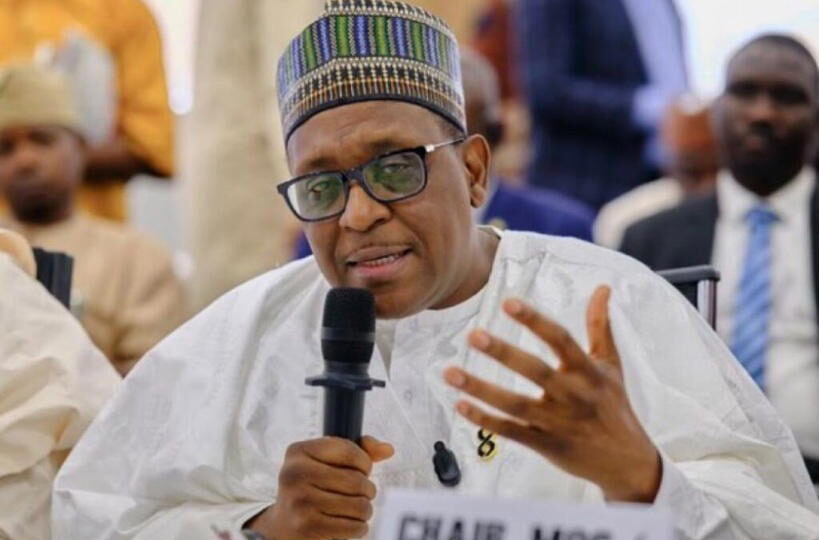
Renowned virologist and chairman of the West African National Academy of Scientists, Professor Oyewale Tomori, has urged authorities to prepare for the possibility that contacts could test positive.
That is not a prediction that further cases will occur. It is a reminder that emergency planning should not depend on the assumption that the response will remain limited to one patient.
If more infections are identified, hospitals could face simultaneous demands for assessment, testing, isolation and treatment. That would place additional pressure on trained personnel, protective supplies, isolation space and laboratory services, even as contact tracing and surveillance continue.
Tomori has also emphasised the importance of taking travel and exposure histories seriously when patients present with symptoms that could be consistent with Ebola.
The objective is not to treat every fever as Ebola. It is to ensure that health workers consider relevant exposure risks, recognise warning signs and follow established procedures when a suspected case is identified.
Preparedness means anticipating what the health system might need to do next, rather than waiting for additional cases to expose its limitations.
The lessons of 2014 and COVID-19
Nigeria’s experience during the 2014 Ebola outbreak demonstrated the value of rapid detection, coordinated contact tracing and decisive infection-control measures. COVID-19 reinforced the need for reliable hygiene facilities, protective equipment and sustained investment in healthcare preparedness.
But the challenge is preserving those gains after public attention moves elsewhere.
Handwashing stations and sanitiser dispensers are useful only when they work and are replenished. Isolation rooms matter only when they are suitable and available. Guidelines are effective only when staff understand them, practise them and have the resources to follow them.
NCDC Director-General, Dr Jide Idris, has called for renewed attention to environmental control, personal hygiene and handwashing, drawing lessons from Nigeria’s previous experience.
“It’s a contact issue. So, we need to address the issue of environmental control, personal hygiene, hand washing,” Idris said.
MDCAN has also called for stronger surveillance at airports, seaports and land borders, alongside the activation of emergency response arrangements and isolation facilities. It has urged authorities to strengthen laboratory capacity, contact tracing and collaboration across borders.
The association’s emphasis on staff welfare is equally significant. Health workers need appropriate equipment, training and practical support, as well as adequate welfare provisions, to carry out their duties safely.
Protecting them is inseparable from protecting patients. A health worker who lacks the means to follow infection-control procedures may face avoidable risks, while a facility unable to isolate a suspected case safely could expose others and complicate the wider response.
The consequences extend beyond Ebola. The same infrastructure and workplace practices are relevant to the safe management of other infectious diseases.
Public assurance
How will Nigerians know containment is working?
Public reassurance is important during an outbreak, but it must be accompanied by credible information about the progress of the response.
Ogoina identified several encouraging indicators: recovery of the index patient, effective identification and follow-up of contacts, prompt investigation and isolation of suspected cases, and adherence to preventive measures by healthcare workers and the public.
These indicators must be considered together. A patient’s recovery is encouraging, but it does not by itself establish that transmission has been interrupted. Authorities must also continue monitoring contacts, investigating symptoms promptly and communicating verified developments.
Regular public updates can help Nigerians understand what is known, what remains under investigation and what steps are being taken. They can also counter rumours before misinformation spreads.
The public, meanwhile, has a role to play by cooperating with health authorities, following official guidance and avoiding the stigmatisation of people who may have been exposed.
The real measure of preparedness
Nigeria has activated its public health response, identified contacts and strengthened surveillance following the confirmed case. The government has also announced measures to improve infection prevention and control and prepare health workers.
But the larger test lies in whether these actions are backed by the everyday capacity of hospitals to recognise suspected cases, isolate patients safely and protect those providing care.
That requires reliable water supplies, hygiene materials, adequate protective equipment, suitable isolation facilities, trained personnel, effective laboratory links and clear reporting procedures. It also requires sustained funding, supervision and accountability long after the immediate emergency has passed.
The experience of 2014 and COVID-19 should have made the importance of these measures unmistakable. The challenge now is to ensure that the lessons have not faded with the crises that brought them into sharp focus.
When a patient with symptoms and a relevant exposure history walks into a hospital, preparedness should not begin with a frantic search for gloves, a check for water or the discovery that an isolation room is unavailable.
It should begin with a system that is ready. For the health worker facing that patient, the difference between knowing what to do and being able to do it may depend on the most basic things in the hospital: clean water, protective equipment, practical training and a safe place to provide care.
For Nigeria, those basics could help determine whether the current Ebola alert remains a contained public health event or becomes a more difficult test of the health system.
Discover more from NAIRAVOICE.COM.NG
Subscribe to get the latest posts sent to your email.