Denis Villeneuve’s Dune saga comes to a close this year, with Dune: Part Three looking to conclude the tale of Paul Atreides (Timothée Chalamet). Whether a noble, a messiah, or a warlord, his rise to power in the blockbuster trilogy has centered around a relentless mindset that can be traced back to the very beginning of the first film. One speech, taken directly from Frank Herbert’s book, told us everything we needed to know before a drop of blood was spilled. If you want to find the building blocks of how he became Lisan al Gaib, look to a pivotal scene in the 2021 franchise opener.
TimothéeChalamet Faces the Ultimate Test in ‘Dune’
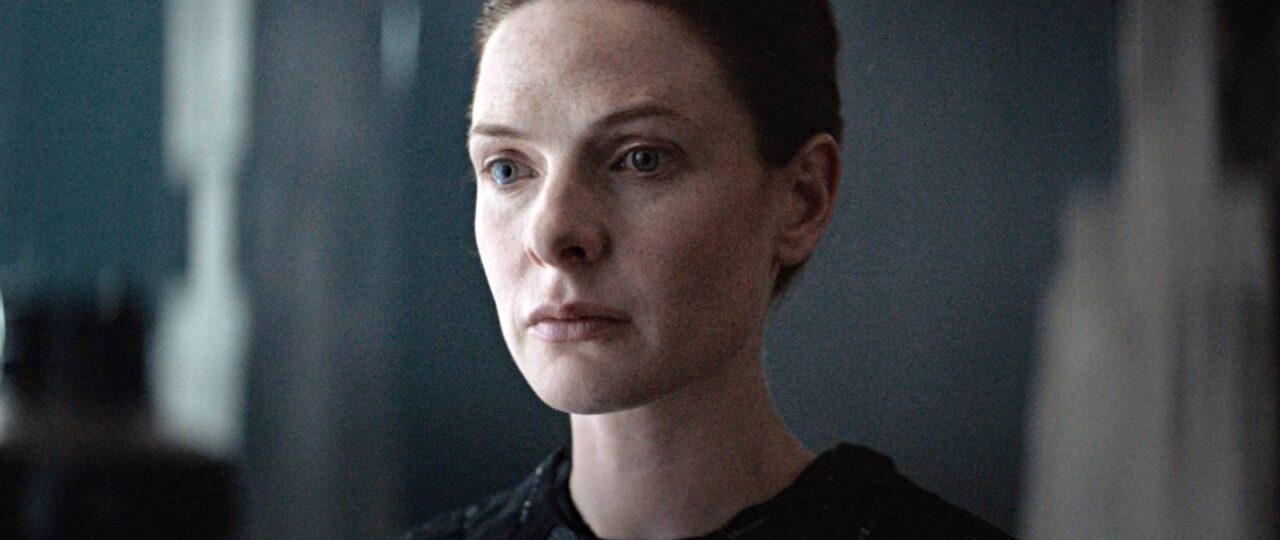
In Villeneuve’s film, nobleman’s son Paul (Chalamet) has been secretly trained in the ways of the Bene Gesserit, a secretive organization that seeks to bear a messianic figure who will lead humanity to a better future. His mother, Lady Jessica (Rebecca Ferguson), believes he may be that figure, taking him to the sect’s Reverend Mother (Charlotte Rampling) in order to undergo a secret test. In it, he must place his hand inside a box that inflicts unspeakable pain. If he takes his hand out prematurely, Reverend Mother will stab him in the neck with a poisoned needle.
While he endures the test, Lady Jessica anxiously waits outside and recites a mantra: “I must not fear. Fear is the mind-killer. Fear is the little death that brings total obliteration. I will face my fear. I will permit it to pass over me and through me. And when it has gone past, I will turn the inner eye to see its path. Where the fear has gone there will be nothing. Only I will remain.” In the book, and in David Lynch’s 1984 adaptation, Paul himself recites the speech. However, in switching the lines over to Lady Jessica, Villeneuve gives us a better idea of whom the character will become.
‘Dune’s’ Best Line Outline’s Paul’s Mindset
<<img src="https://static0.colliderimages.com/wordpress/wp-content/uploads/2026/08/dune-2021-3.jpg?q=49&fit=crop&w=825&dpr=2" />
Image via Warner Bros. Pictures</figure>
The film cuts between Lady Jessica reciting the speech, and Paul enduring the test. As the speech goes on, Paul makes it clear he will endure the pain, that he is stronger than the Bene Gesserit’s test. His straining turns to focus, as he looks back at his tormentor with defiance. The editing between her speech and this reaction implies that this is a speech Paul is also reciting internally, that this is a mindset he has been raised to adopt. Lady Jessica saw a messiah in the making, and made sure that when the time came to face fear, he would not back away.
This scene is the pivotal moment in understanding how Paul survives the rest of his journey, from the fall of House Atreides to his ascension as the leader of the Fremen. He survives and inspires devotion because he fears no one, and when he passes through his enemies only he remains. Had he simply been a pampered Duke’s son, he would have met his doom, but this moment shows what he had been training for all along, as well as the invisible hand guiding him. Whether he is a savior, or simply the result of ritualistic plotting, is explored later. However, every test he passes, every foe he bests, can be traced back to the teachings Lady Jessica recites in that scene.
Paul Atreides Becomes the Mind-Killer
 Image via Warner Bros.
- Image via Warner Bros. Pictures
- Image via Warner Bros. Pictures
- Image via Warner Bros. Pictures
- Image via Warner Bros.
 Image via Warner Bros.
 Image via Warner Bros. Pictures
 Image via Warner Bros. Pictures
 Image via Warner Bros. Pictures
 Image via Warner Bros.
- Image via Warner Bros.
- Image via Warner Bros. Pictures
- Image via Warner Bros. Pictures
- Image via Warner Bros. Pictures
- Image via Warner Bros.
 Image via Warner Bros.
 Image via Warner Bros. Pictures
 Image via Warner Bros. Pictures
 Image via Warner Bros. Pictures
 Image via Warner Bros.
One thing this scene also exemplifies is the idea that Paul’s rise comes from the mind, not the body. There are many characters who are three times his size, or who have greater armies, but it is his clear focus that helps him rise above that opposition. He has mastered himself, so that he may be able to master others. From his survival in the harsh lands of Arrakis in the first film, to his growing prescience forging a path to victory in the second movie, it’s his mentality that sees him stay one step ahead. Perhaps the most literal example, however, comes in the final duel between himself and Feyd-Rautha (Austin Butler), heir to House Harkonnen.
Fighting over Paul’s challenge to the Emperor’s (Christopher Walken) throne, as well as vengeance for his father’s murder, he faces a much more skilled fighter, but wins nonetheless. The reason being, he pushed through fear to achieve his aim, taking a seemingly killer blow, and allowing Feyd-Rautha to get reckless enough to expose his weakness. He risked death in order to seize victory, a triumph of mind over might.
Denis Villeneuve’s classic sci-fi epic has the potential to be a “perfect trilogy”, and if he achieves that with Dune: Part Three, it will be because he focused on the psychological aspects of Frank Herbert’s saga. Focusing on the mastery of the mind is signaled in Lady Rebecca’s speech, and it echoes in everything that comes afterward.
Discover more from NAIRAVOICE.COM.NG
Subscribe to get the latest posts sent to your email.