*Says Tinubu addressing long-standing challenges
By Henry Umoru
ABUJA — Deputy President of the Senate, Senator Barau Jibrin, APC, Kano North, has taken a swipe at former Vice-President Yemi Osinbajo over the gloomy picture he painted of Nigeria’s economy and democratic governance.
Senator Barau Jibrin who noted that Osinbajo got it wrong , said the administration of President Bola Tinubu was taking steps to address what he described as longstanding challenges confronting the country.
According to Jibrin, while Osinbajo’s concerns, particularly those drawn from Afrobarometer surveys on Nigeria and other African countries were valid, the government needed to improve communication with the people to highlight ongoing efforts to address the challenges.
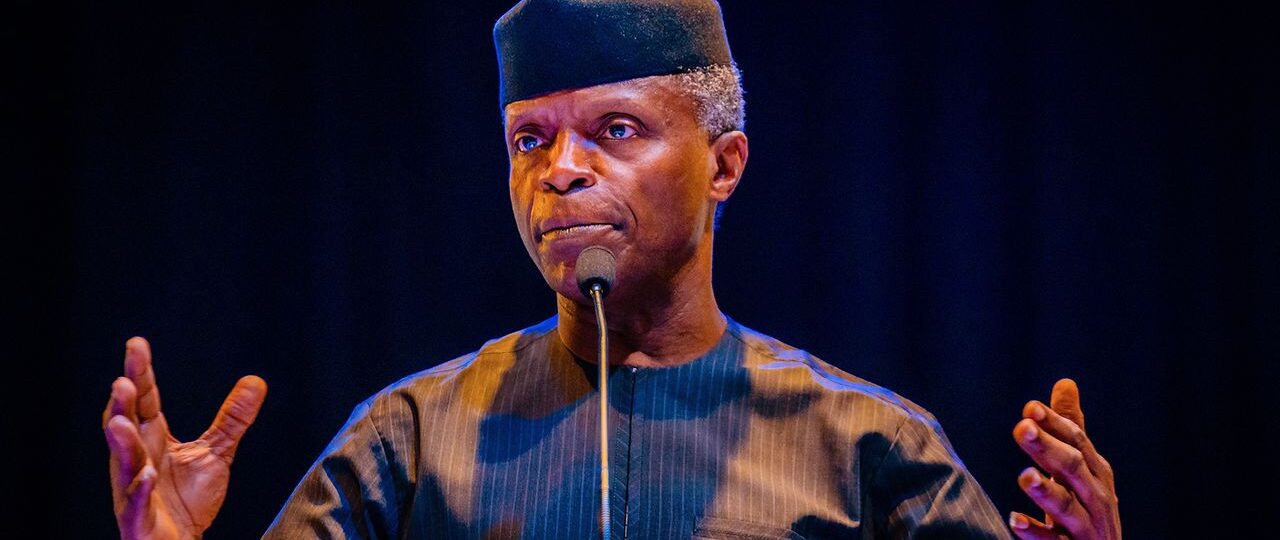
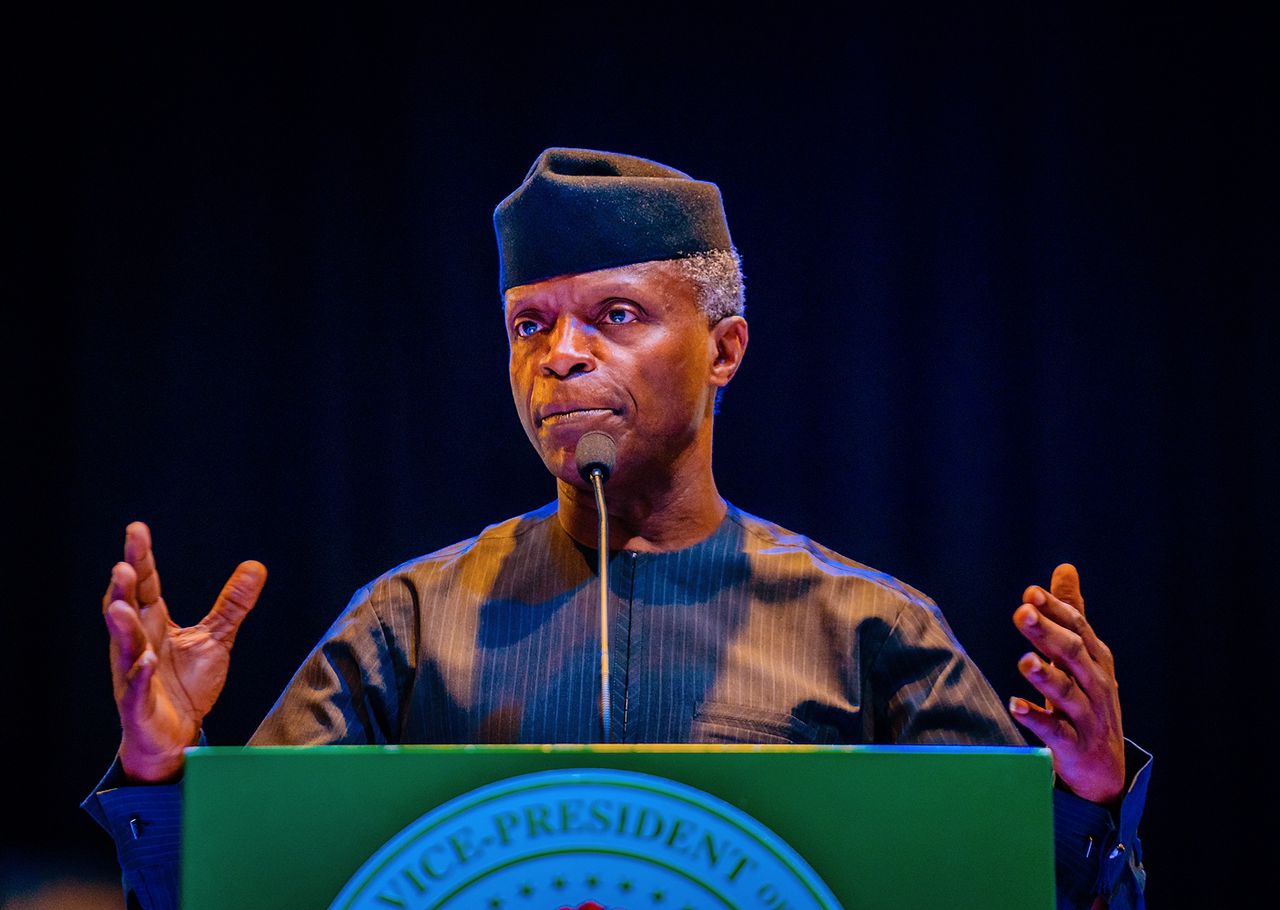
Recall that Osinbajo, who served as Vice-President under former President Muhammadu Buhari from 2015 to 2023, had expressed concern in his lecture about the failure of democratic governance among citizens across Africa after almost three decades of uninterrupted democratic rule in several countries.
Citing Afrobarometer surveys, Osinbajo, who was defeated by President Bola Tinubu during APC presidential primary, ahead of the 2023 elections, highlighted widespread dissatisfaction with democratic institutions, economic hardship, declining public confidence in government and diminishing youth participation in electoral politics.
He noted that although 64 per cent of Africans preferred democracy to other forms of government, only 38 per cent were satisfied with the way democracy was working in their respective countries.
Osinbajo also cited findings indicating that 59 per cent of Africans considered their national economies to be in bad shape, while 51 per cent said their economies had deteriorated.
He further expressed concern over the rising cost of living, unemployment, inadequate access to healthcare and declining voter turnout, warning that persistent hardship could weaken public confidence in democracy, particularly among young people.
But replying the former vice president at a public lecture, titled ”Democracy and Development: Rethinking the Leadership Question,” in Yola, Adamawa State, to commemorate the 59th birthday of Governor Ahmadu Fintiri yesterday, Barau described Osinbajo’s lecture as thought-provoking and intellectually stimulating.
He,however, said the gloomy picture painted by the surveys was being addressed and that the gaps were partly attributable to inadequate communication between governments and citizens.
He said: “I know he is a very good orator, a good public speaker and an intellectual to the core. Having said that, I am compelled to make some comments on the paper. It is a very beautiful and thought-provoking paper.
“What I want to say is this: one important reason for the gloomy picture portrayed by the surveys, particularly those conducted by Afrobarometer, is what the professor talked about and specifically observed: the issue of communication between the leaders and the led. There is no proper communication.”
The Deputy President of the Senate maintained that governments at both the federal and state levels were taking steps to address the challenges identified by the former vice-president, particularly in the areas of education, infrastructure and economic development.
On education, Barau noted that the government was expanding access to education to address the challenges posed by Nigeria’s growing population and its large youth demographic.
He added that providing educational opportunities for children, particularly those from disadvantaged backgrounds, remained critical to addressing the country’s long-term development challenges.
“Before now, it was very difficult for a child who did not have the means to go to school. Now, everyone, except a child who does not want to go to school, can go to school in Nigeria with the NELFUND introduced by this administration,” he said.
He cited ongoing road projects across the country, including the Lagos-Calabar coastal highway, the Badagry-Sokoto highway and several projects in the North-East and North-West as evidence of the government’s efforts to address infrastructure deficits.
“When we talk about economic prosperity, you cannot achieve it without a certain level of infrastructure, including road networks, water supply and other essential infrastructure.
“This is what is happening currently in this country under President Bola Tinubu’s administration. Roads are being constructed everywhere to propel the process of bringing economic prosperity. That is being done. It is a long journey, but it is being done. Yet, there is no proper communication,” he said.
The Deputy President of the Senate called for sustained public engagement to ensure that Nigerians were adequately informed about government policies, projects and interventions.
On the economic challenges facing the country, he argued that Nigeria’s rising cost of living should also be understood within the context of global economic pressures.
He attributed the increase in the cost of energy, goods and services to international conflicts and disruptions in global supply chains, particularly those affecting major food-producing regions and energy markets.
According to him, the conflicts involving Russia and Ukraine, as well as tensions in the Middle East, have contributed to rising energy prices and increased the cost of production globally.
He also cited disruptions around the Strait of Hormuz, a major international oil transit route, as one of the factors contributing to the volatility in global energy markets.
“The fact is that these challenges are not peculiar to Nigeria; they have an international dimension. The rising cost of living is partly attributable to conflicts in different parts of the world, including the Middle East, as well as the ongoing war between Russia and Ukraine. ”These conflicts have disrupted global supply chains, driven up energy prices and increased the cost of goods and services worldwide,” he added.
Discover more from NAIRAVOICE.COM.NG
Subscribe to get the latest posts sent to your email.