By Ediri Ejoh
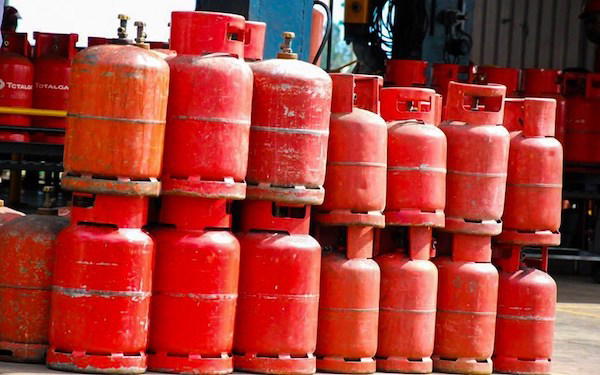
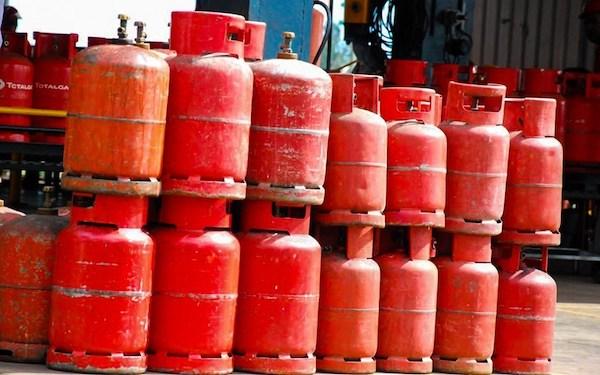
Domestic supply of Liquefied Petroleum Gas (LPG), popularly known as cooking gas, rose by 17.78 per cent year-on-year, YoY, to 4.5 million litres per day in September 2026, from 3.7 million litres per day in September 2025.
The Nigerian Midstream and Downstream Petroleum Regulatory Authority, NMDPRA, disclosed this in its latest data obtained by Vanguard.
On a month-on-month, MoM, basis, supply increased by 33.33 per cent from 4.5 million litres per day in August 2026.
Meanwhile, the price of cooking gas rose by 7.14 per cent to N1,400 per kg in October 2026, from N1,300 per kg in September.
Reacting, former National President of the Nigerian Association of Liquefied Petroleum Gas Marketers, NALPGAM, Mr. Oladapo Olatunbosun, attributed the increase to improved local production but called for sustained investment and government support to prevent shortages.
He said: “Local production has increased, which is the reason for the result. However, there is much to be done by both the government and stakeholders to drive the development required to harness the potential of LPG.”
Olatunbosun urged the government to encourage indigenous operators and support major domestic producers, including Dangote Petroleum Refinery, to boost output and stabilise the energy market.
“The government should continue to encourage indigenous operators, and they should see it as being a partner in bringing stability to energy,” he said.
He also called for affordable supplies to surrounding communities, adding that increased investment in production and distribution would improve availability.
“The market is wide and large, and the more we get people investing in the production and distribution of LPG, the more available the product will be,” he said.
Similarly, National President of the Oil and Gas Services Providers Association of Nigeria, OGSPAN, Mazi Colman Obasi, described the supply growth as positive but stressed that consumers must benefit through improved access and affordability.
“The growth in supply is a positive development because availability is fundamental to the expansion of LPG consumption. However, the real test is whether consumers are seeing improved access and more affordable prices,” he said.
Obasi cautioned that increased supply would not automatically reduce retail prices, citing transportation, logistics, exchange-rate movements and other costs.
He said efficient distribution was essential to ensure additional volumes reach consumers and encourage more households to switch to LPG.
Discover more from NAIRAVOICE.COM.NG
Subscribe to get the latest posts sent to your email.