
Cody Campbell’s words should make everyone pause on the Brandon Sorsby case originally appeared on The Sporting News.
Add The Sporting News as a Preferred Source by clicking here.
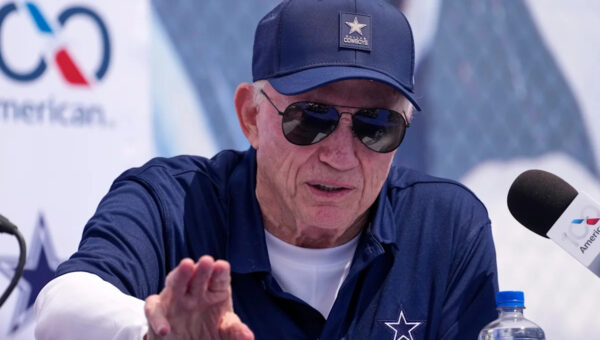
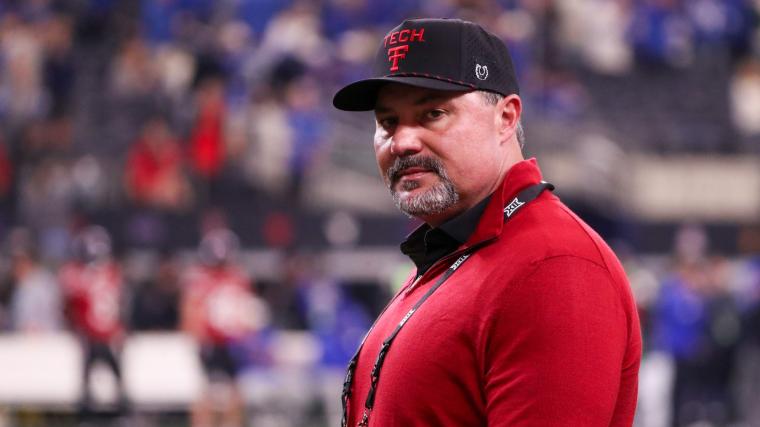
Cody Campbell, the mega-booster widely credited with funding much of Texas Tech’s NIL infrastructure and one of the most powerful behind-the-scenes figures in Red Raiders athletics, posted a statement on his X account that deserves far more attention than it has received.
“Texas Tech is in an impossible spot,” Campbell wrote. “Deep down, they may have hoped the final ruling would remove the decision from their hands. Exhaust every option, support the player, let the process play out. And if he is ruled ineligible, accept it. That is the cleanest outcome for a program trying to balance loyalty, discipline, public pressure and competitive integrity.”
When the man who funded this is essentially saying the cleanest outcome would have been ineligibility, that is not a ringing endorsement for the court ruling that handed Sorsby his eligibility back.
That is someone who knows exactly what is at stake telling the public the quiet part out loud.
The questions nobody is asking
The national conversation around Brandon Sorsby has been loud, emotional and largely incomplete.
Yes, the NCAA ruled Sorsby ineligible after determining he wagered approximately $90,000 on professional and college sports over four years, including 40 bets connected to Indiana football during his freshman season in 2022. Yes, that violates NCAA rules. Yes, two of those bets were placed against his own team.
But before this becomes a full-scale hated-by-everyone attack on a 22-year-old quarterback, there are several things that need to be brought into the open. Things the national media has largely glossed over in the race to frame Sorsby as the villain who broke college sports’ most sacred rule.
Ironically though, no AD’s in College Football wanted to boycott Michigan when they cheated.
The first is one of the most important and least discussed details in this entire case:
Sorsby was reportedly using a betting agent. In the gambling industry, an agent places bets on behalf of a client, meaning transaction logs and data records would reflect the agent’s name and activity, not Sorsby’s directly. Nobody is talking about who that agent was, how many of those 40 bets the agent physically placed, or whether Sorsby had direct knowledge of every single wager made under his account.
Out of 40 total bets tied to Indiana, two were placed against his own team. Two. The overwhelming majority of the remaining bets were placed on Indiana to succeed. If you are a gambler intentionally trying to manipulate outcomes for personal gain, you do not compile a betting history that looks like that. Two bets out of 40 that run contrary to the pattern look far more like a mistake than a calculated scheme to compromise the integrity of a game.
The kind of mistake anyone could make, pressing the wrong button on a kiosk or a lagging mobile interface.
That does not make it right, and I’m not saying rules were not broken. But it does mean the Pete Rose comparisons need to stop immediately, because this is not that.
The underage problem nobody wants to touch
Here is the detail that changes the entire legal and moral calculus of this situation: Sorsby was gambling underage.
That is not a minor footnote. That is a criminal matter. If Sorsby was placing bets or having bets placed on his behalf while he was under 21 in states where legal sports gambling requires that minimum age, he was breaking the law. And more importantly, so was anyone who facilitated it. The agents, the family members reportedly involved, and anyone who helped a minor access a legal sports gambling platform could face real legal consequences.
If it is determined in court that Sorsby was an underage gambler being assisted by adults, the conversation shifts entirely. The NCAA’s argument becomes secondary to a potential criminal case.
And if Sorsby faces legal consequences beyond an eligibility ruling, the question of whether he plays football this fall answers itself.
When was he diagnosed?
Tied with the underage gambling question, this is the single most important question in the entire Sorsby case, and virtually no one in the national media is pressing it.
Sorsby reportedly sought gambling rehabilitation treatment, and his legal team has leaned heavily on his gambling disorder diagnosis as part of the argument for reinstatement.
But the timing of that diagnosis matters enormously.
If Sorsby was diagnosed with a gambling disorder at 18 or 19 years old while he was actively betting, while agents were facilitating wagers on his behalf, while he was a scholarship athlete at a major university, and the NCAA or Indiana’s program had any knowledge of that diagnosis and chose to do nothing, then the organization now seeking a lifetime ban has serious questions to answer about its own duty of care.
Gambling addiction is a recognized mental health disorder. Studies have consistently shown it can be harder to break than alcohol or nicotine dependence. You cannot simultaneously profit from a gambling-saturated media landscape, place athletes in an NIL environment flooded with DraftKings and FanDuel money and then act shocked when a teenager with a diagnosed disorder spirals.
If the diagnosis came only after Sorsby was caught as part of a legal strategy rather than a genuine treatment history, that is a different story. But no one is saying which it is. That silence is becoming its own kind of problem.
Reconstructing the timeline
Without access to the full betting logs, which have not been made public in any meaningful detail, a reasonable timeline can be pieced together from what has been reported.
The two bets placed against Indiana most likely occurred during the Louisville game in September 2023 and possibly during a 2022 game involving the at-the-time starting quarterback Connor Bazelek. If the 2022 bet took place while Sorsby was inactive and on the scout team, that is a significantly different conversation than the 2023 bet, which would have come after he had already appeared in three games for the Hoosiers.
Betting on a game you participated in, even a game in which you had limited involvement, while knowing the game plan is where the player props argument becomes legitimate. Sorsby himself has stated he never bet on games in which he participated. If the documents contradict that, those documents need to be made public before the Big 12 renders any kind of decision.
Nobody has shown the data logs, nobody has named the specific games with any real specificity, nobody has identified the agent. Those are not minor details. Those are huge parts in this entire case.
The path nobody has offered him
As Tim Cowlishaw noted in his Dallas Morning News column, Sorsby is “a long, long way from the Hysier Millers and others in recent years who have been found to place bets against their team in college basketball.” The cases that prompted lifetime bans in sports history, the 1919 Black Sox and the City College of New York scandals of the 1950s, involved players deliberately throwing games for gamblers. There is no credible accusation of that here.
The more honest path forward for Sorsby may not be in college football at all, regardless of how the courts rule. If the Big 12 exercises its bylaw authority and denies him conference eligibility independently of the NCAA ruling, his college career ends. But that does not have to mean his football career ends, Mr Cameron James Newton.
The more powerful story, the one that could actually do some good, is Sorsby becoming the face of the conversation nobody in college athletics wants to have. A young man with a diagnosed gambling disorder, surrounded by a legal betting industry that pumped advertisements into every broadcast he ever watched, who made serious mistakes and paid for them, not a villain, not a martyr, but a cautionary tale with a chance to be something more.
That story only works if all the facts come out. When was he diagnosed? Who was placing bets on his behalf? Will he get in trouble for gambling underage? Which specific games are in question? And whether anyone in a position of authority knew about his disorder before the NCAA came calling.
Those questions need to be asked, and things need to come to light before this case goes any further. Because the last thing college football needs right now is another Kyren Lacy situation. A tragedy that everyone saw the warning signs for and nobody stopped.
Discover more from NAIRAVOICE.COM.NG
Subscribe to get the latest posts sent to your email.