Feel free to connect with him or check out his work. He’s everywhere — Upwork, YouTube, Spotify, SoundCloud, Collider, LinkedIn, Instagram.
Imagine hearing about a horror movie for years, only to discover that the version available in your country has entire scenes missing. Someone has decided which images you’re allowed to see, which sounds are too disturbing, and whether the film deserves to reach audiences at all. That sounds absurd now, especially when some of those supposedly dangerous movies have become essential viewing for anyone who loves cinema.
This impulse to censor horror is nothing new. While authorities banned some of these films outright and locked others away for years, they completely underestimated the filmmaking behind all that controversy. These six movies survived the outrage, and their reputations have only grown stronger.
6
‘Possession’ (1981)
<<img src="https://static0.colliderimages.com/wordpress/wp-content/uploads/2024/05/sam-neil-isabelle-adjani-mark-anna-possession-1981.jpg?q=70&fit=crop&w=825&dpr=1" />
Image via Gaumont</figure>
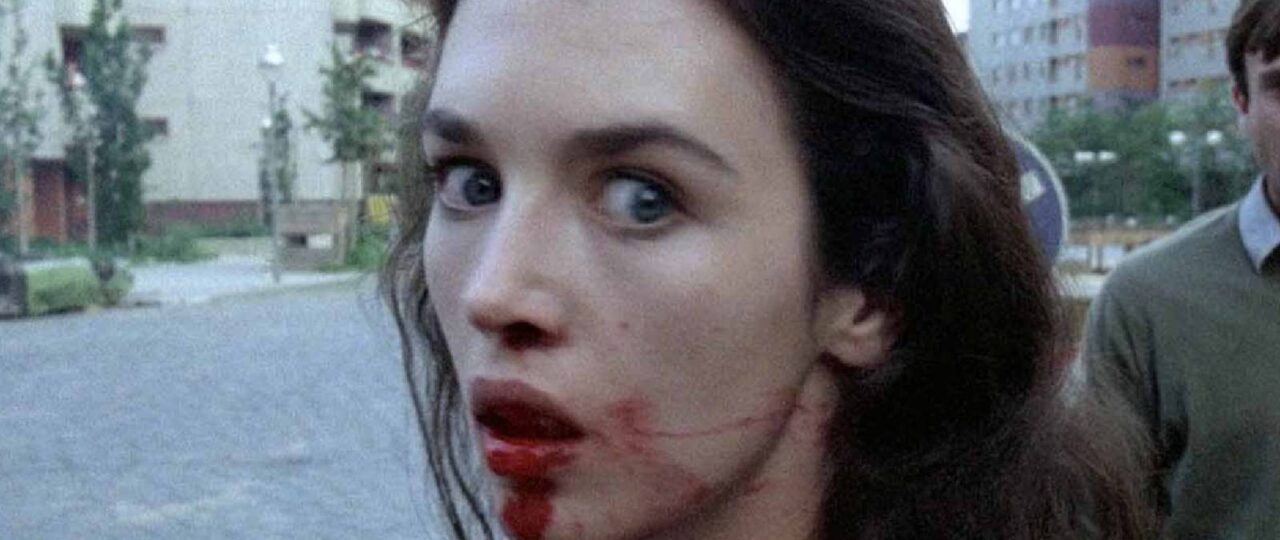
A divorce is supposed to mean paperwork, slammed doors, the terrible quiet after someone says they’re leaving. However, in Andrzej Żuławski’s Possession, it becomes something far more frightening, a marriage convulsing until its grief seems to grow teeth. The story follows Mark (Sam Neill), who comes home to Berlin to find Anna (Isabelle Adjani) demanding a separation, then watches suspicion curdle into obsession as her absences and lies gather around a secret in a vacant apartment.
The subway breakdown is the moment that burns itself into memory. Anna flails, gasps, spills, and screams with such frightening abandon that the body seems to be suffering before the mind can explain why. The restless camerawork never gives the panic room to settle as it lunges and circles, while the cramped spaces seem to close around everyone in them. The creature is grotesque, but the marriage is the wound. This is a genuinely unhinged performance in a chaotic masterpiece that refuses to be made tame, or made twice.
5
‘The Evil Dead’ (1981)
<<img src="https://static0.colliderimages.com/wordpress/wp-content/uploads/2025/09/screenshot-2025-09-09-at-4-59-11-pm.jpg?q=70&fit=crop&w=825&dpr=1" />
Image via New Line Cinema</figure>
You know the setup, five college friends, a cheap weekend away, and a cabin in the woods. The Evil Dead knows you know it, and then sends the forest itself racing at the door. A recording from the Naturom Demonto wakes something hungry, and the group is picked off by possession until Ash (Bruce Campbell) is left alone with the blood-soaked work of surviving the night.
An unseen perspective skims over the forest like a thing with its own appetite. Inside, every groaning board and trembling hand makes the cabin feel smaller. The film turns limited means into an assault of splashing blood, rubbery bodies, and jolting movement. In fact, these effects have the grubby, handmade conviction of a nightmare assembled in somebody’s garage. That texture is the point. Ash is exhausted, terrified, and losing pieces of his world by the minute. The film’s history of censorship only sharpened its outlaw reputation. Its raw energy remains completely alive, a low-budget miracle no polished remake can manufacture.
4
‘The Texas Chain Saw Massacre’ (1974)
<<img src="https://static0.colliderimages.com/wordpress/wp-content/uploads/2024/10/the-texas-chain-saw-massacre-1200-1200-675-675-crop-000000.jpg?q=70&fit=crop&w=825&dpr=1" />
Image Via Bryanston Distributing Company</figure>
Before the first scream, the heat has already got you. The Texas Chain Saw Massacre made a blueprint for the slasher, but its real terror is how little it feels like a movie with dust in the van, flies at the farmhouse, and the hard white glare of a Texas afternoon. Sally Hardesty (Marilyn Burns), her brother Franklin (Paul A. Partain), and their friends drift toward a house they should never have entered. Then Leatherface (Gunnar Hansen) appears, and the day becomes a hunt.
The chainsaw’s metallic drone swallows the air completely. Sally runs through thorny brush in full daylight, dirt under her nails, and breath breaking as the sound follows right behind her. The movie builds dread from bone decorations, sweat, and frantic movement, leaving the violence to the audience’s imagination. That restraint is part of why the film feels so punishing because there is nowhere cool or safe to look. Banned and cut in several places, it outlasted the outrage. The film remains locked in its grimy 1970s world, a nightmare that seems to leave dust on your skin.
3Enjoying this article? Support our work with a small crypto donation.
‘The Devils’ (1971)
<<img src="https://static0.colliderimages.com/wordpress/wp-content/uploads/2025/05/screenshot-2025-05-13-at-9-18-03-pm.jpg?q=70&fit=crop&w=825&dpr=1" />
Image via Warner Bros.</figure>
Father Urbain Grandier (Oliver Reed) is a deeply flawed horror protagonist. He is vain, sensual, and politically inconvenient, which in The Devils makes him an immediate threat to the men who want Loudun under their control. When Sister Jeanne des Anges (Vanessa Redgrave) accuses him of witchcraft, the convent’s fits become a spectacle the state can use. Grandier is arrested, tortured, and pulled into a machinery of power that has already decided what his guilt should look like.
The film stages that machinery in glaring white rooms, where black robes and contorting bodies turn the convent into a public arena. Its religious imagery was shocking enough to provoke cuts, bans, and decades of controversy. However, the spectacle has a sharp edge because beneath the blasphemy, the movie cuts into political greed, censorship, and the ease with which institutions make cruelty look righteous. The film asks us to watch a flawed man be dismantled by people with power rather than mistaking him for a saint. What scandalized audiences has become a tragic masterpiece about integrity under attack.
2
‘The Exorcist’ (1973)
<<img src="https://static0.colliderimages.com/wordpress/wp-content/uploads/2023/10/the-exorcist-2.jpg?q=70&fit=crop&w=825&dpr=1" />
Image via Warner Bros.</figure>
The Exorcist follows Chris MacNeil (Ellen Burstyn), who has a comfortable home, a daughter she loves, and access to doctors who should be able to explain what is happening. Then Regan’s (Linda Blair) illness begins, and every test brings another answer that fails. The horror gathers inside a bedroom, a child’s bruised skin, a bed shaking violently, a guttural voice where her daughter’s should be. Chris can only watch, plead, and search for help.
The famous images still shock, but they are not the heart of the film. That is Chris’s helplessness, the mother standing beside the bed, trying to stay steady while the room turns cold enough for breath to show. Father Karras (Jason Miller), whose faith is already cracking, joins the elderly Father Merrin (Max von Sydow) to perform an exorcism as medicine reaches its limit. The film provoked bans and fierce condemnation, yet its force is more intimate than its reputation suggests. The body horror pulls you close, grief keeps you there. Its balance of medical realism, parental despair, and theological dread remains completely formidable.
1
‘Psycho’ (1960)
<<img src="https://static0.colliderimages.com/wordpress/wp-content/uploads/2023/03/psycho-janet-leigh-marion-crane.jpg?q=70&fit=crop&w=825&dpr=1" />
Image via Paramount Pictures</figure>
Psycho begins as a crime story. It follows Marion Crane (Janet Leigh), who steals $40,000, drives through rain with the money weighing on her, and stops at the quiet Bates Motel. You settle into her fear of being caught. Then Alfred Hitchcock kills his star halfway through the film, and the ground gives way beneath the audience, too.
The shower attack is almost all sound and suggestion, shrieking violins, a shadow, a curtain, water spiraling toward the drain. The violence lasts seconds, the shock seems to last the rest of the movie. Norman Bates (Anthony Perkins) is all nervous stutters and careful sandwiches, with taxidermied birds staring from the parlor as Marion’s sister and a private investigator try to piece together what happened. The film met censorship fights and restrictions, but its boldest cut was to audience expectation. Hitchcock turns a stolen-money thriller into something colder, an inquiry into identity, trauma, and the stories we tell ourselves about who is safe. It remains the definitive psychological thriller, a film that changed how viewers watch.
Discover more from NAIRAVOICE.COM.NG
Subscribe to get the latest posts sent to your email.