
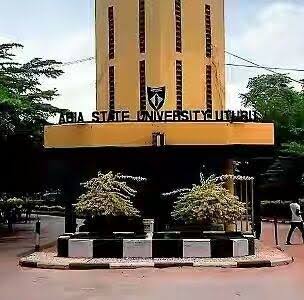
The decision by the Academic Staff Union of Universities (ASUU), Abia State University (ABSU), Uturu branch, to embark on a total, comprehensive and indefinite strike is more than another headline about an industrial dispute. It is another troubling reminder of how fragile Nigeria’s university system has become.
The strike, which took effect on Tuesday, August 11, 2026, has effectively grounded academic activities at ABSU, with lecturers directed to withdraw their services and suspend participation in statutory meetings, including Senate and Faculty Board meetings.
At the centre of the dispute is a familiar demand: the full implementation of the 2025 Federal Government of Nigeria–ASUU Agreement, signed in December 2025 and expected to take effect from January 2026. The agreement includes salary adjustments, a 40 per cent upward review of academic staff remuneration and allowances, as well as the payment of outstanding entitlements.
On the surface, this may appear to be another disagreement between a university workers’ union and government. But the real victims are neither the union nor the government. They are the students whose academic calendars, examinations, graduations and plans are once again being thrown into uncertainty.
The ABSU development is particularly concerning because it is not an isolated incident. Several ASUU branches in state-owned universities have raised similar concerns over unpaid allowances, salary adjustments, earned academic allowances and accumulated arrears. Following its August 8–9, 2026 meeting, ASUU’s National Executive Council authorised a number of branches to issue 14-day ultimatums and proceed with industrial action where outstanding demands remained unresolved.
This recurring cycle deserves more than temporary intervention whenever universities are shut down.
Nigeria cannot continue to build its education system around agreements that are signed but poorly implemented. An agreement is only meaningful when the parties honour it. Where government makes commitments to university workers, there must be a credible mechanism for ensuring that those commitments are funded and implemented within the agreed timelines.
At the same time, state governments must recognise that universities cannot be treated as institutions that can simply operate on goodwill. Quality education requires predictable funding, motivated lecturers and an environment where academic staff can plan their careers and lives without constantly battling unpaid entitlements.
There is also a broader question that policymakers must confront: how long can Nigerian students continue to bear the consequences of disputes they did not create?
For many students, an indefinite strike is not merely a break from lectures. It can mean delayed graduation, disrupted professional plans, additional financial pressure on families and, in some cases, a loss of confidence in public universities.
ASUU, for its part, has a legitimate responsibility to defend the welfare and professional interests of its members. But every strike should also remind all stakeholders of the enormous social cost of prolonged industrial action in education.
Government must therefore move beyond crisis management. Rather than waiting until lecturers withdraw their services before negotiations begin, there should be a standing framework for monitoring the implementation of agreements with universities and academic unions.
The current situation at ABSU should not be allowed to become another entry in Nigeria’s long list of university strikes.
The country’s public universities need stability, not recurring shutdowns. Students need uninterrupted education. Lecturers deserve fair and timely remuneration. And governments at both federal and state levels must understand that funding education is not simply an expenditure; it is an investment in the country’s future.
The question now is not merely when ABSU will reopen. The bigger question is whether Nigeria is prepared to finally break the cycle that keeps shutting its universities down.
Discover more from NAIRAVOICE.COM.NG
Subscribe to get the latest posts sent to your email.