

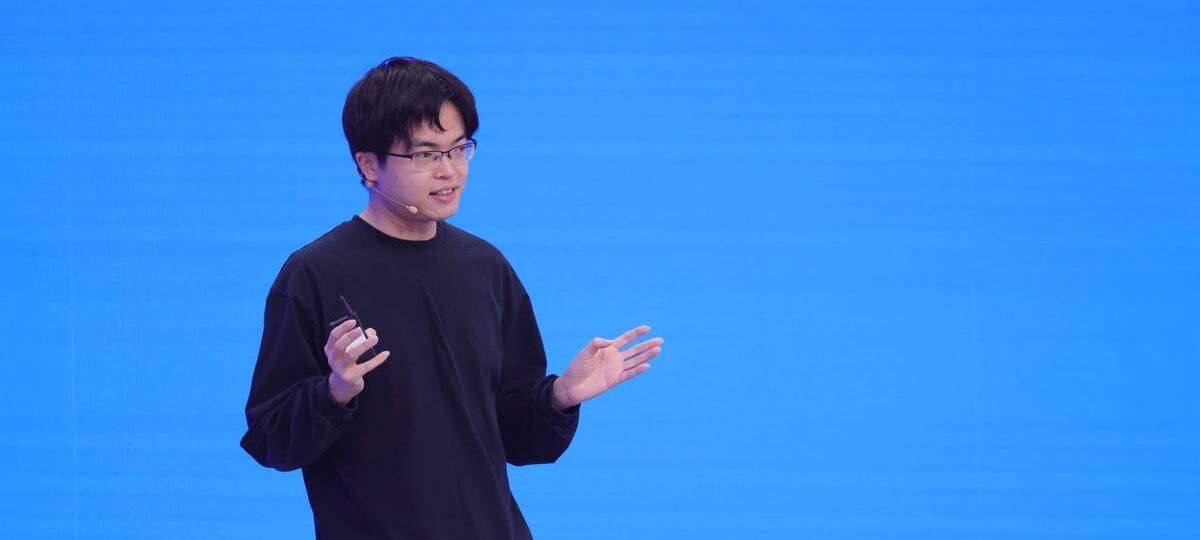

- Chinese startup Moonshot AI released Kimi K3, a powerful new model that has the tech world talking.
- Kimi K3 is the latest evidence that China is narrowing its AI gap with the US.
- Leaders from the US tech sector have been reacting to the new model online.
Aaron Levie, CEO of Box

“Congress should investigate. Seriously,” Marcus wrote on X, quoting a Goldman Sachs chart showing capital expenditure for major US cloud providers projected to reach roughly $1 trillion in 2027, about eight times the projected spending of their Chinese counterparts.
Gavin Baker, chief investment officer at Atreides Management
Gavin Baker, a prominent investor and one of Wall Street’s leading voices on the AI industry, called the release of Kimi K3 an “inflection point” for AI.
He said Kimi K3 is bad news for closed AI startups like OpenAI and Anthropic, but is a net positive for just about every other company in the world.
“Anything that lowers margins and increases competition at the model layer is good for every other AI layer: power, semiconductors, hyperscalers, neoclouds and yes even software,” Baker wrote on X.
Dean Ball, OpenAI’s head of strategic futures
Dean Ball, a former Trump administration official whom OpenAI hired as its head of strategic futures, a role that puts him in charge of developing frontier AI policy proposals, said Kimi K3 was a “good model” and that he was suprised it was open source.
“I am personally surprised the Chinese state continues to allow the open sourcing of models this good, given potential risks,” he wrote on X. “To be clear, I myself might be fine with models presenting this level of marginal risk being open weight, but I am surprised that China is fine with it.”
He wanted to say that China’s open-source strategy aligns with segments of its political philosophy.
“One probable outcome of an open-weight-model-dominant world is full AI communism, which is precisely what China proposes: rather than a market product, AI is a ‘public good’ which will ultimately be provided by the state as a kind of ‘digital public infrastructure,'” he wrote.
Discover more from NAIRAVOICE.COM.NG
Subscribe to get the latest posts sent to your email.