
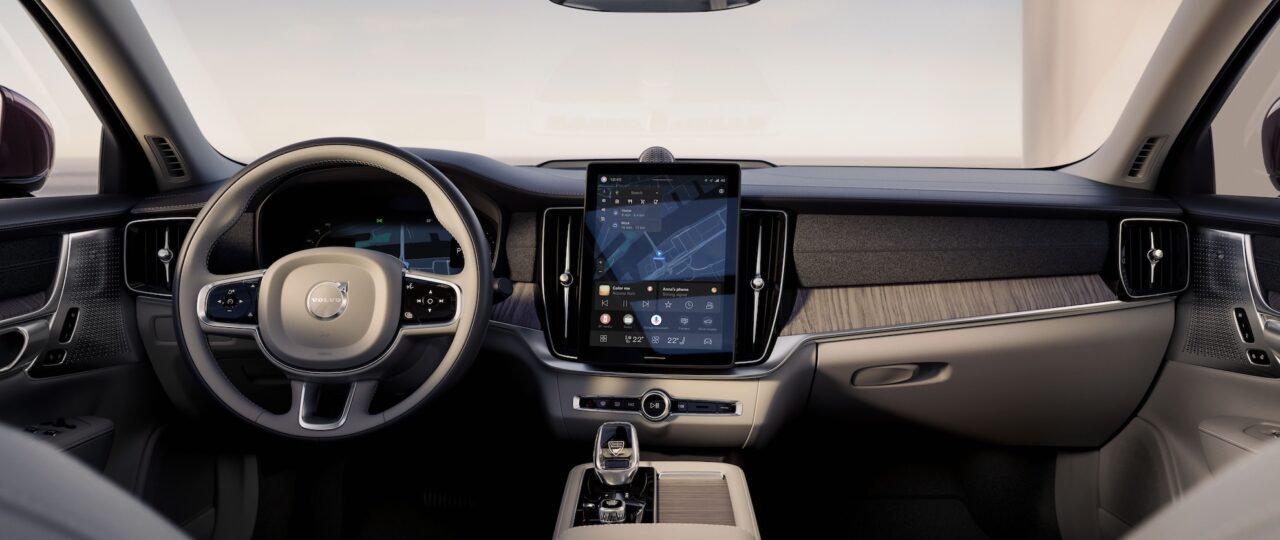
Volvo vehicles are primarily made in Sweden and imported to the United States, with the exception of the EX90, which is assembled at the company’s factory in South Carolina. But Volvo’s ties to China’s Geely — and its manufacturing operations in the country — meant it would be banned under the new rules.
Volvo said the approval followed “constructive discussions” with the Commerce department and other U.S. officials regarding the company’s governance, technology, and data security. The automaker said it can now move forward with its expansion plans in the United States.
The automaker announced in September 2025 plans to bring two additional vehicles — the XC60 midsize SUV and a new hybrid vehicle — into production at the South Carolina factory. In March, Volvo said it will also bring all production of the Polestar 3, an EV from its sister company Polestar, to the U.S. factory. The Polestar 3 is currently also produced in Chengdu, China.
The rule, known as “Securing the Information and Communications Technology and Services Supply Chain: Connected Vehicles,” spends considerable time on the threat of vehicles with automated driving systems developed by companies with Chinese ties.
Under the rules, Chinese companies would be prohibited from testing autonomous vehicles in the United States. Today, several of these companies, including Baidu’s Apollo Autonomous Driving LLC, Pony.ai, and WeRide, have permits to test their autonomous vehicle technology (with a human safety operator behind the wheel) in California. TechCrunch has reached out to the Department of Motor Vehicles, the agency that regulates AVs in the state, to learn if these permits will be revoked.
Discover more from NAIRAVOICE.COM.NG
Subscribe to get the latest posts sent to your email.