Few metrics thrill Silicon Valley investors more than surging annual recurring revenue (ARR).
In the AI boom, however, VCs are increasingly skeptical of what that number actually represents. “The amount of VC-backed AI companies lying about their ARR publicly is absolutely unsettling,” Greg Isenberg, CEO of Late Checkout, wrote in a post that went viral for saying something out loud that has been whispered about, but rarely said publicly in tech circles.
ARR was a metric that came into vogue during the software era, intended to estimate the yearly sales a company can expect from paying customers, a quick way for investors to judge a startup’s valuation.
Now, venture capitalists and founders who spoke with Business Insider said ARR has become so loosely used that it can blur the line between contracted subscriptions, future deals, token consumption, hardware sales, and a single strong month of revenue.
In short, recurring revenue is often not recurring. “It’s ARR inflation,” said Shruti Gandhi, a general partner at Array Ventures. “There’s no accountability right now.” Gandhi says she has called out founders for exaggerating revenue.
Their defense: “Everybody else is doing it.” To Alexander Niehenke, a partner at Scale Venture Partners, the current trend of padding ARR reflects a top-of-the-bubble mentality when founders have all the leverage. “It feels like we’re at the tail end of 2021 again, given some of the behavior I’m seeing in the venture ecosystem,” he said. “Anytime you get deeper into a bull cycle, everybody has more tolerance for risk.” Founders know how excited VCs get about ARR, according to Niehenke. “The smart and brilliant entrepreneurs use it like catnip on us,” he said.
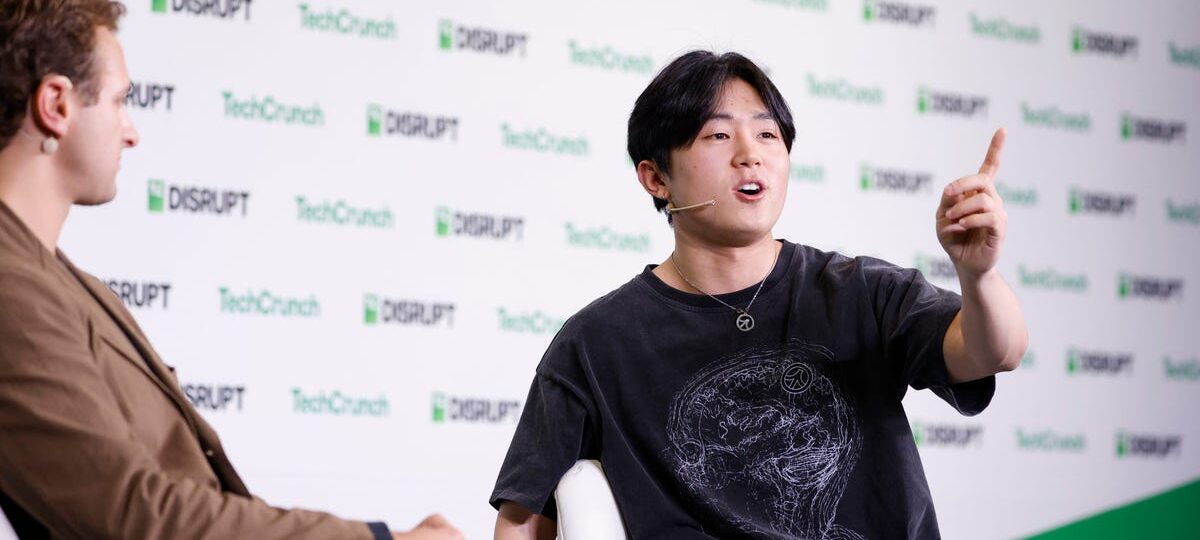
Cluely CEO Roy Lee raised eyebrows earlier this year when he admitted to misstating his startup’s ARR to a TechCrunch reporter.
But that was very much the exception.
With startups under much less regulatory scrutiny than public companies, revenue claims are rarely verified. it’s genuinely crazy tech has so isolated itself from regulatory forces that you can just admit to securities violations on the internet Before AI, Silicon Valley was in love with software-as-a-service companies, where ARR was much more dependable.
SaaS companies like Salesforce or Workday often sell annual or multiyear deals, making it fairly straightforward to tally the value of subscriptions likely to recur. “When you have ARR, you have a signed contract, and you know what you’ve signed up for for the year,” said Matt Murphy, a partner at Menlo Ventures.
Many AI companies no longer sell a simple per-seat license that costs the same every month.
They charge customers based on how much they use, often measured in tokens.
Someone may use a product aggressively, then pull back, or switch to a cheaper model.
The startup’s own costs vary widely, too, because it may have to pay a model provider or cloud company every time a customer uses its product.
AI startups have increasingly shifted to describing run rate, which extrapolates a month of revenue over a full year and does not purport to be recurring, according to Murphy. “Venture does this from time to time, which is that there’s a new metric that shows up,” he said.
Pocket, which makes an AI recording device, is one of those companies, having recently said it crossed the $100 million run rate threshold.
Founder Akshay Narisetti said he avoids ARR because tokens make revenue too unpredictable to expect it to be recurring.
Run rate can come with its own problem in that a gangbusters month does not necessarily translate to a year, but Narisetti said he avoids doing that. “We never annualize one large month with a spike,” Narisetti said.
The biggest AI labs have used both metrics.
OpenAI has described subscription sales as ARR while calling its newer advertising business an annualized revenue run rate.
Anthropic has generally described its overall sales as run-rate revenue.
Linear, which is an increasingly rare breed of SaaS startups, recently said it crossed $100 million in ARR.
Cofounder and CEO Karri Saarinen said he stands by the metric because Linear sells multiyear contracts and has been in business since 2019. “Since we’ve been operating longer, we can better forecast the actual ARR,” he said, adding that for newer AI startups, it is a different story. “It’s gotten really murky,” he said.
Discover more from NAIRAVOICE.COM.NG
Subscribe to get the latest posts sent to your email.