
Football borrows a lot of familiar idioms from the theater of war. There is an offensive line, a defensive line, and both sides can find themselves in “the trenches” in their pursuit of victory (though the history of football does not carry with it a casualty list that surpasses 75 million). In 1944, as World War II was nearing its end, football and war intersected not just theoretically but literally, for a game that has been largely overlooked by historians. It would take nearly 80 years for the game to become the subject of Buzz Bissinger‘s biography The Mosquito Bowl, and now the backdrop of Netflix’s similarly titled war epic, directed by Bissinger’s cousin, Peter Berg.
What is ‘The Mosquito Bowl’ About?
British rising star Nicholas Galitzine carries the emotional weight of the entire film as John McLaughry, the late Brown and New York Giants football player, who went on to coach the sport. The film opens somberly on a uniformed McLaughry as he stands on the sidelines of a football game with his wife, his haunted expression foretelling the toll that the next two hours will take on the viewer. From there, The Mosquito Bowl deftly introduces its core cast of athletes turned cannon fodder. Each character’s hopes and dreams are introduced, alongside glimpses into the home lives they leave behind. Bob Baumann (Bill Skarsgård), Tony Butkovich (Ray Nicholson), and Dave Schreiner (Tom Francis) may be from different walks of life, but they are united by one common passion — football.
Co-written by Berg and Mark L. Smith, the screenplay charts the men’s journey from collegiate football stardom through drafted Marine enlistment following Pearl Harbor, which eventually lands them on the sun-baked battlefields of the Pacific theater. It builds toward the real-life Christmas Eve exhibition on Guadalcanal, dubbed the “Mosquito Bowl,” where former college rivals and All-Americans played a tied game for their fellow Marines. From there, the narrative pivots sharply toward the meat grinder of combat, following each man’s harrowing descent into modern trench warfare and their tragic fates.
But despite all of its grandeur, The Mosquito Bowl remains an exceedingly by-the-books film that adds very little new to the canon of war epics. In service of standard dramatic conventions, the script massages history a bit, bringing these men together far earlier in their military training than occurred in real life, in order to engineer an immediate sense of brotherhood. Berg and Smith rely heavily on familiar combat tropes, and saddle the cast with broad, shorthand exposition — the bright-eyed rural boy, the stoic natural leader, the cocky all-star — that leaves the dialogue feeling more like a collection of archetypes rather than natural character studies. Despite the runtime, there isn’t a lot of depth given to the characters in the writing; it’s the actors and their performances that carry the burden of interest. Nicholson is a clear stand-out among the cast, bringing nuance and introspection to each decision his character makes. Francis continues his transition from theatrical work to the silver screen with a nice nod to his award-winning pipes, which is one of his most memorable moments. There’s a strong camaraderie between the soldiers, but it never quite reaches the likes of something like Masters of the Air.
When the film finally arrives at the titular game on Guadalcanal, it delivers a spirited, bittersweet sequence. Played on a field scraped out of the coral and dirt, with little crabs scuttling in the sand, mosquito netting for yard markers, and armed sentries watching the perimeter, the scene captures a brief, fleeting moment of normalcy for young men staring down their own mortality. Berg leans into the nostalgic mythos of 1940s athletics, highlighting the talent of these All-American boys. Yet beneath the cheers and hard-hitting plays lies a stark dramatic irony — the audience is acutely aware that most of the men trading banter between downs won’t survive their next engagement. It is the narrative pivot where the hopes that this is just another sports movie officially ends and the nightmare of Okinawa begins.
Four icons and four completely different ways of walking into trouble.
This is the one you would have been out there, why it fits, and what it would have cost you.
You have never explained yourself and you have never needed to,
because people work out fairly quickly that you are the most capable person in the room
without you ever having to mention it.
- Eastwood built the character out of everything he refused to do, stripping away the
backstory, the speeches and every bit of reassurance until only the competence was left. - You keep your own counsel, and while other people occasionally find that unnerving, you
have never felt any real need to fix it for them. - The Dollars films work because he genuinely is in it for himself right up until the
moment he is not, and he never explains that part either. - You would be gone before anybody got a chance to thank you.
You are the funniest person in most rooms and the most loyal
person in all of them, and you would be genuinely insulted if somebody suggested those two
things were in any tension.
- Doc has no real reason to be in this fight beyond the fact that his friend is in it,
which is the only reason he has ever needed for anything. - You lead with wit, and it does a very effective job of hiding how seriously you take the
handful of people you actually care about. - Val Kilmer’s performance is the most quoted in the entire genre because the jokes keep
getting sharper as the situation gets worse. - You would spend everything you had on this and still describe it as a good week.
You never wanted this job, and you took it anyway because the
alternative was standing there watching somebody less careful do it badly, which is the most
Western reason there has ever been.
- Earp is the reluctant authority figure, a man who came to town specifically to be left
alone and somehow ended up answerable for all of it. - You are protective by instinct, so when something goes wrong your first thought is who
is exposed rather than who is to blame. - These films understand that keeping order costs far more than breaking it, and that the
person holding the line almost never gets thanked. - You would do the whole thing again, and you would complain about it the entire time.
Nobody has ever successfully talked you out of something you had
already decided was right, and a long line of grown adults has found that out the hard way.
- Mattie is the most relentless character in the Western canon and she manages it through
argument, paperwork and flat refusal rather than a fast draw. - You have no patience for being managed, so you negotiate, you check the details and you
turn up exactly when you said you would. - True Grit is the rare Western where the moral centre is the youngest person on screen
and every adult around her has to catch up. - You would get what you came for, and the film is honest about what that takes out of
you.
Peter Berg Brings an Astute Eye to the Theater of War
 Image via Netflix
- Image via Netflix
- Image via Netflix
- Image via Netflix
- Image via Netflix
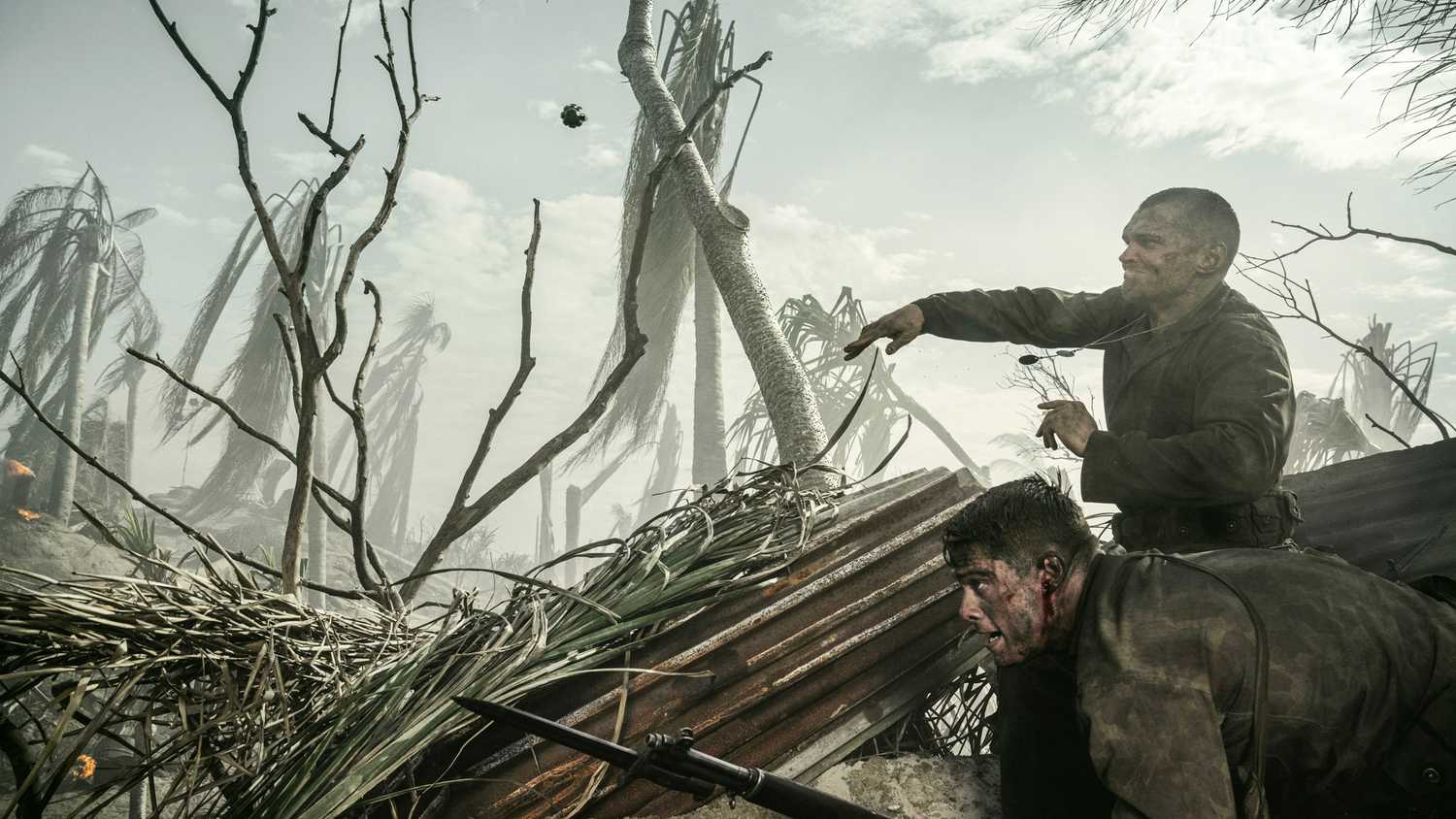 Image via Netflix
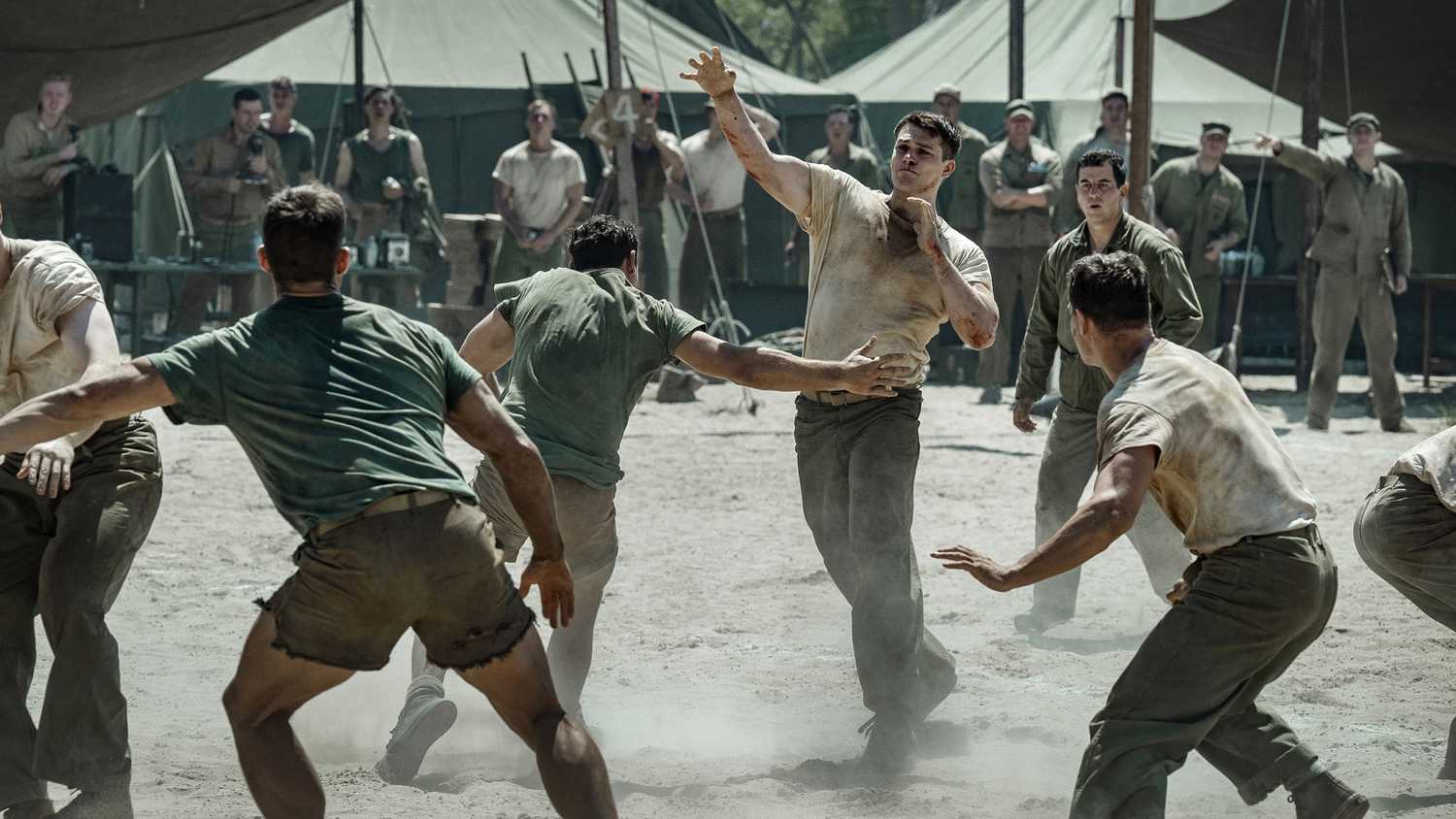 Image via Netflix
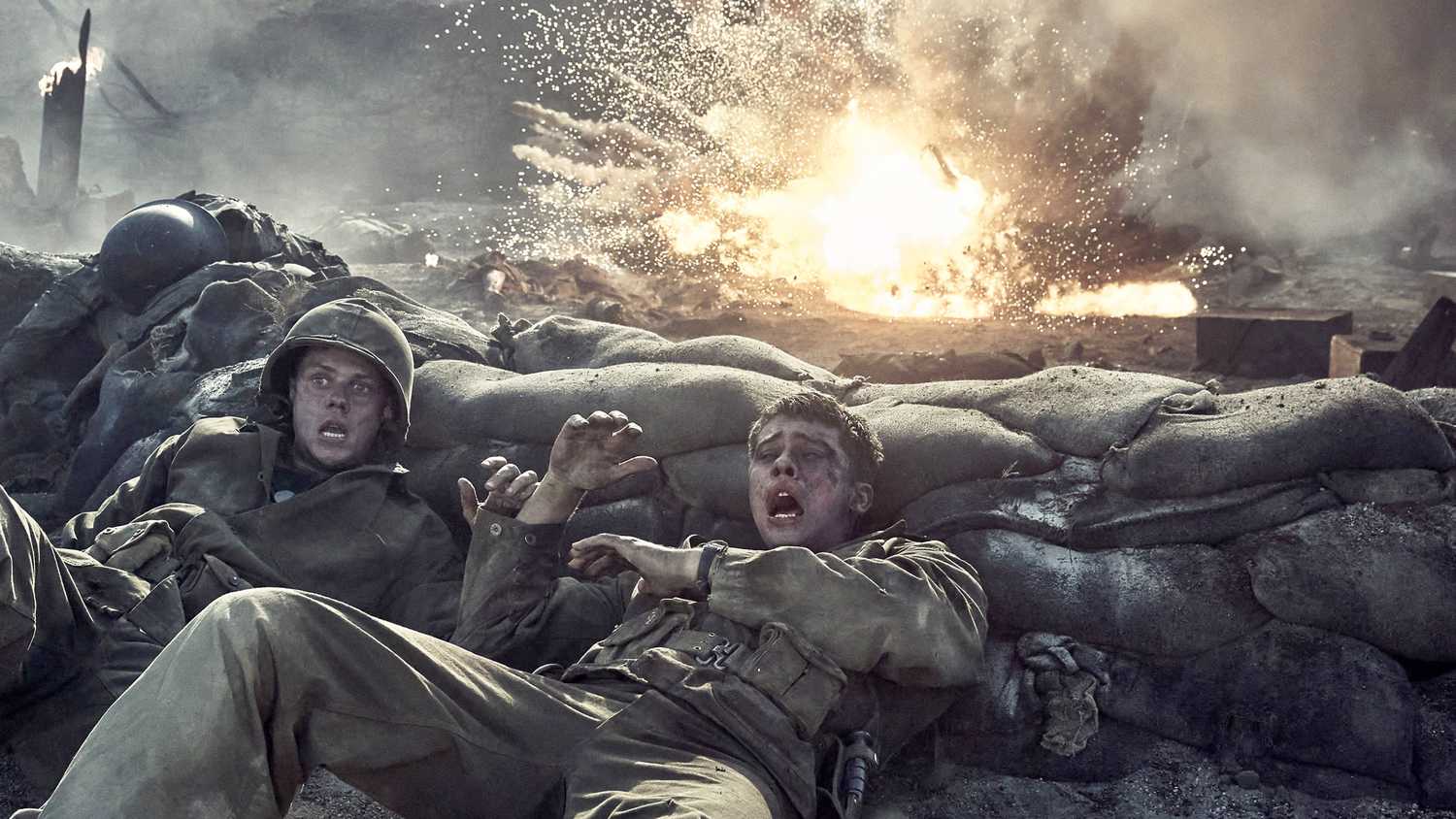 Image via Netflix
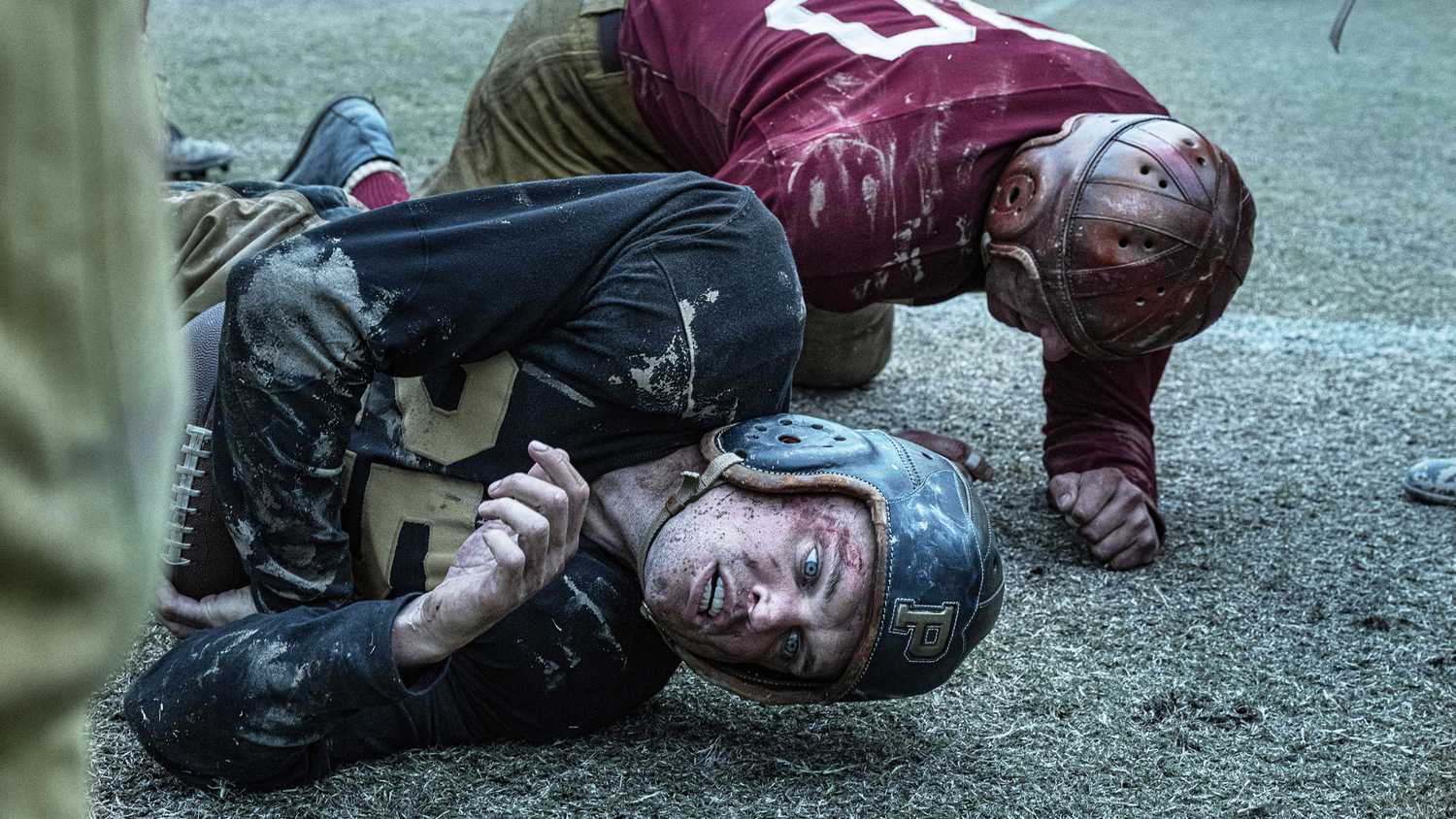 Image via Netflix
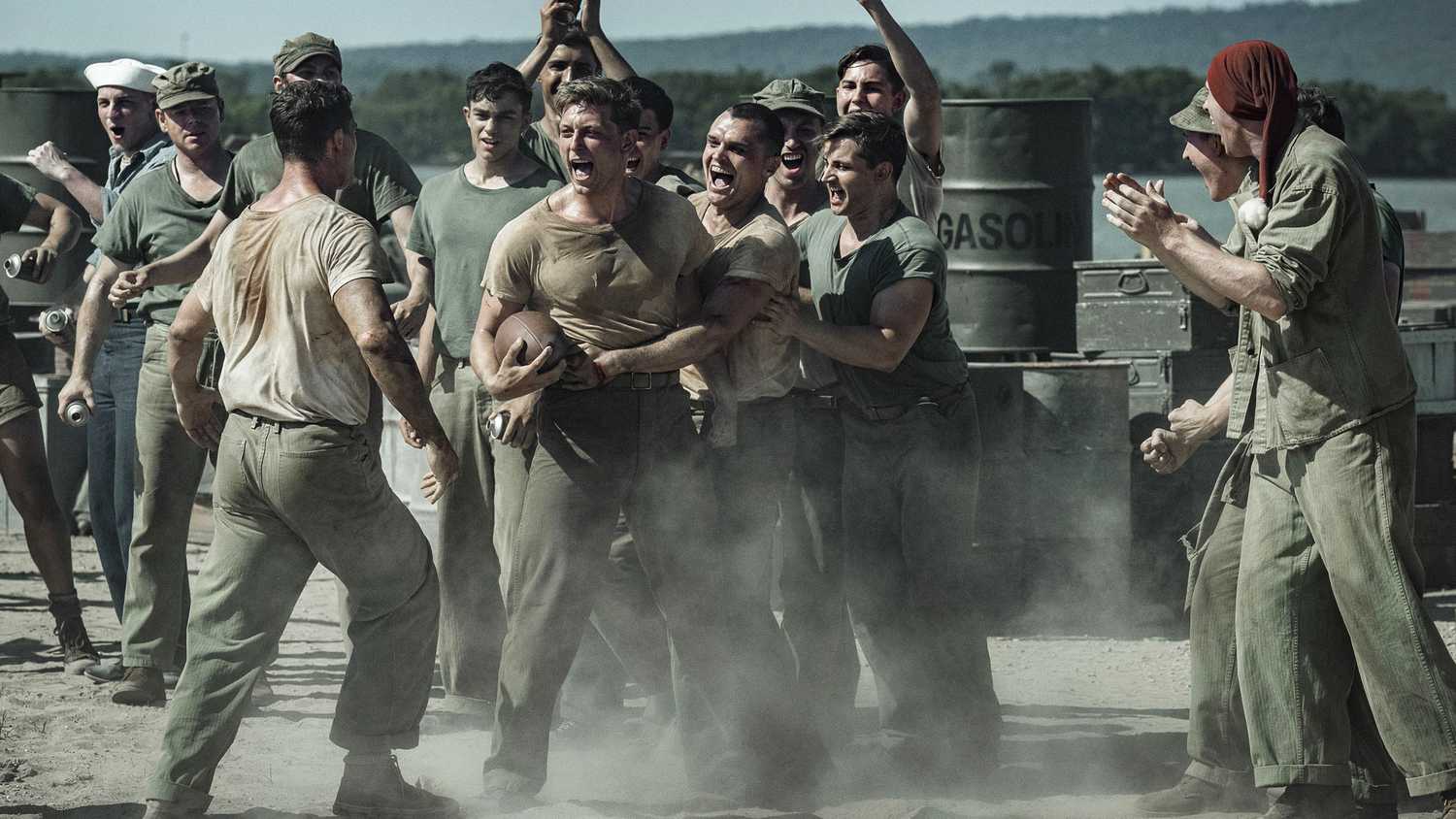 Image via Netflix
- Image via Netflix
- Image via Netflix
- Image via Netflix
- Image via Netflix
- Image via Netflix
 Image via Netflix
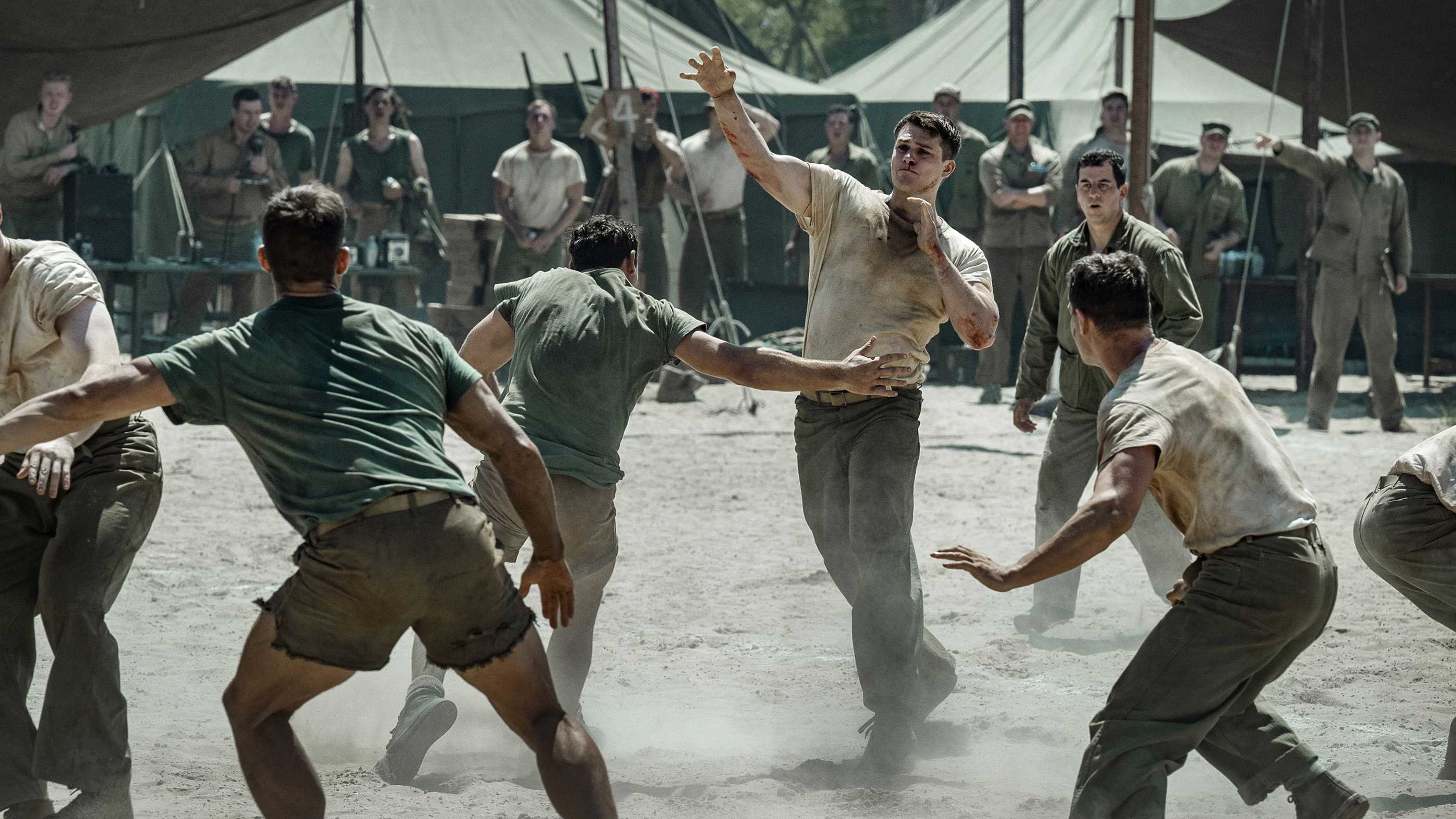 Image via Netflix
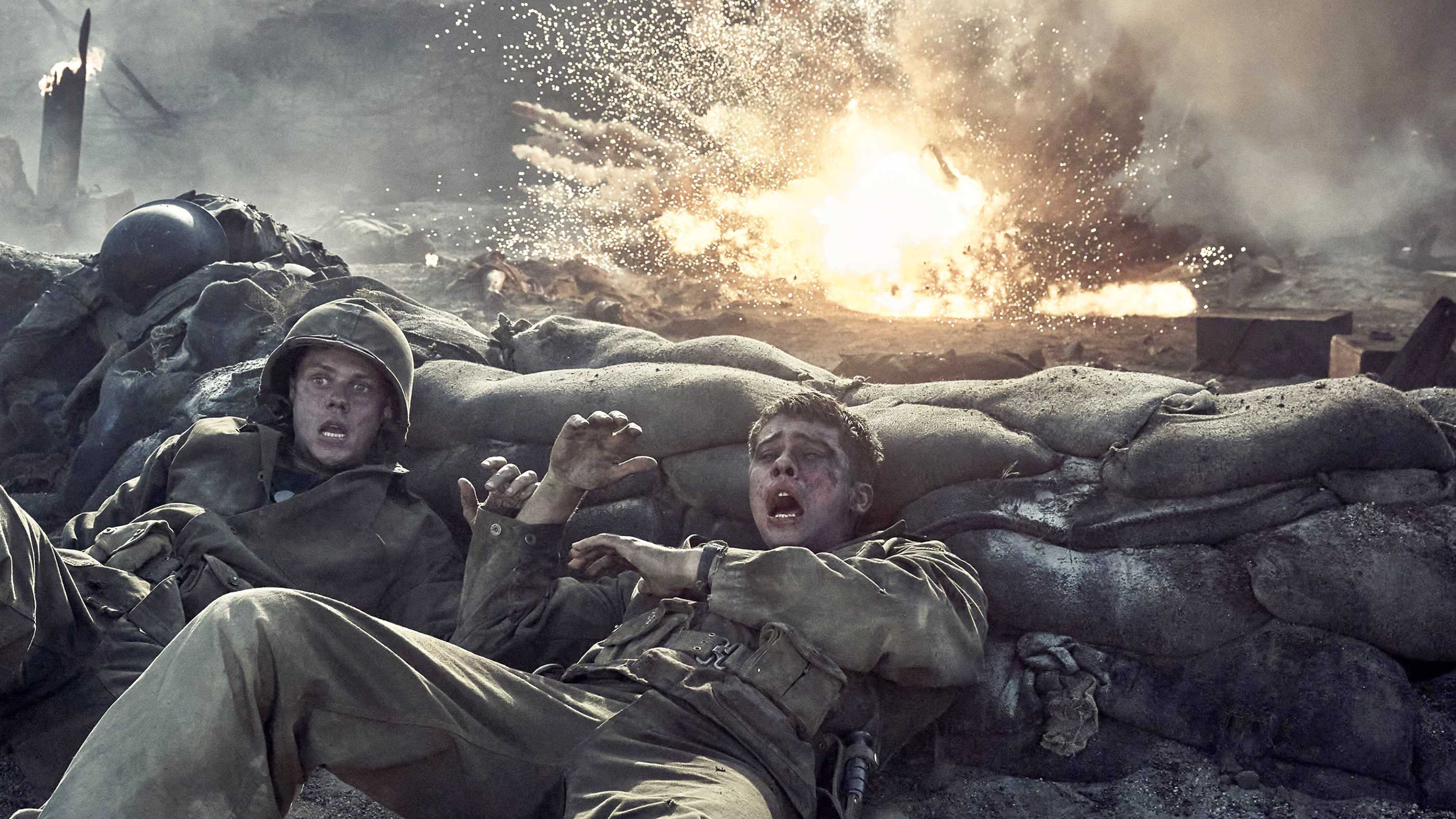 Image via Netflix
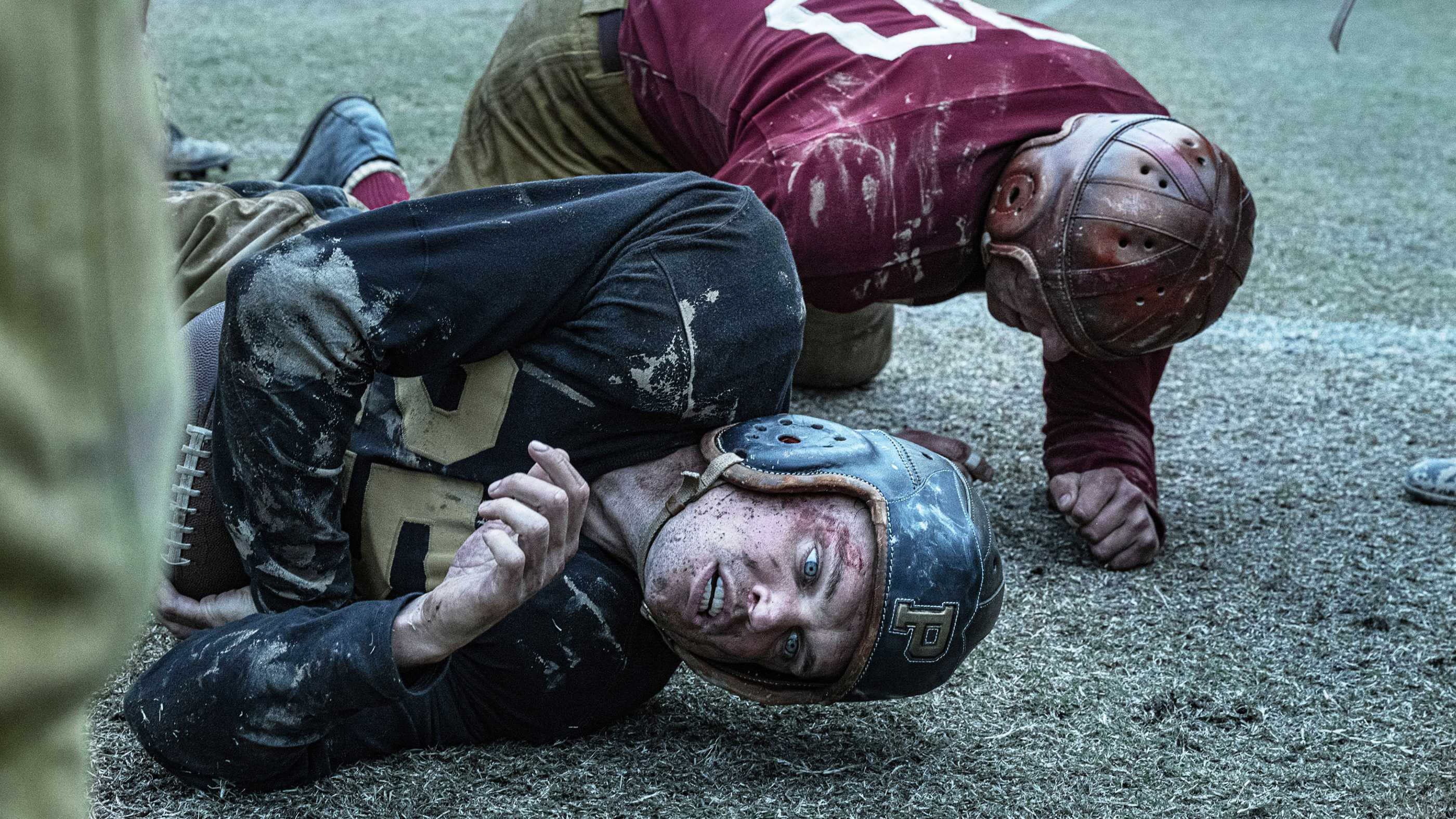 Image via Netflix
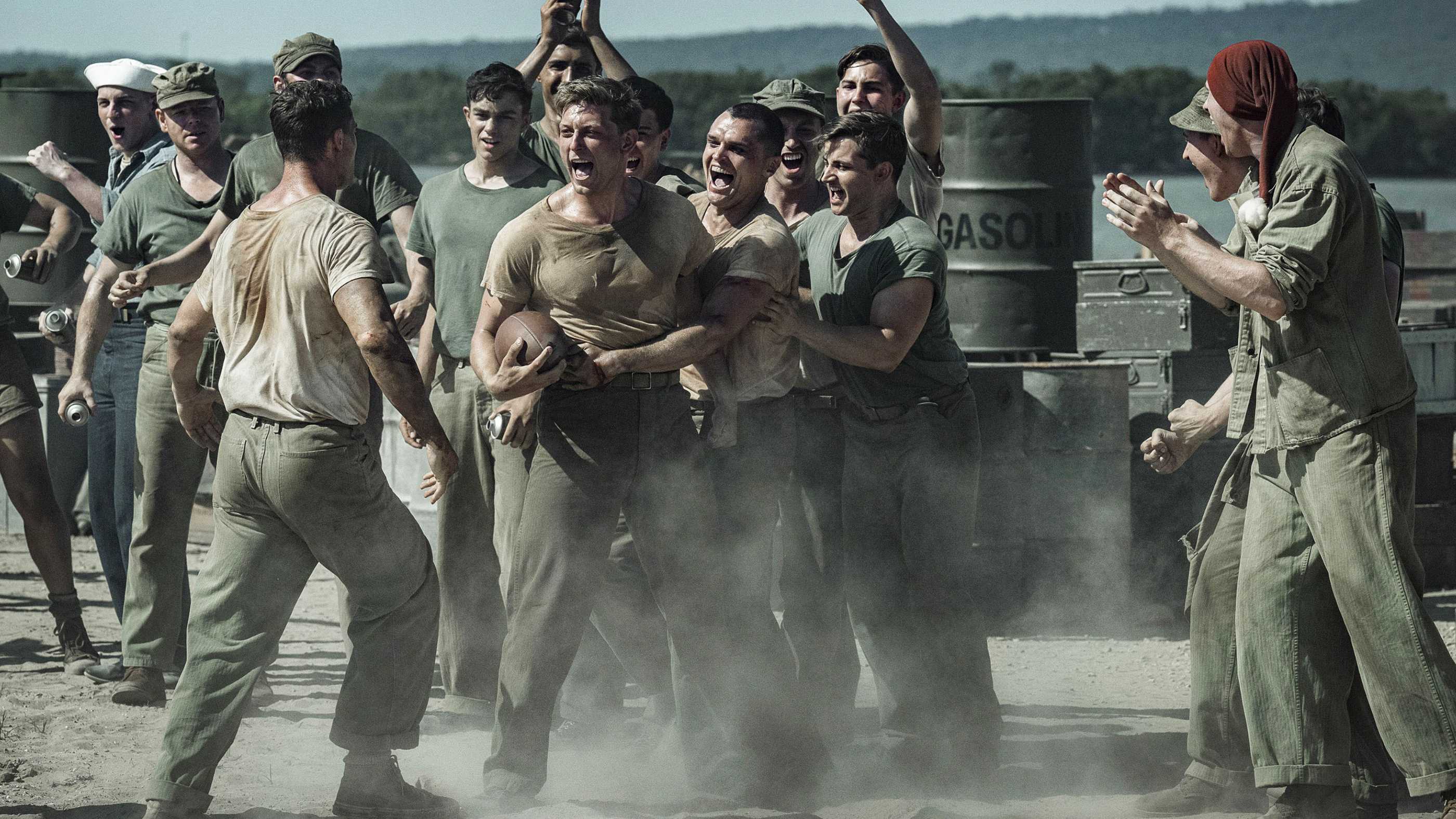 Image via Netflix
Peter Berg is a keen-eyed director who has never shied away from the grit or grime of the settings of his projects. Most recently, he brought to life his Mosquito Bowl co-writer Mark L. Smith’s brutal Western miniseries, American Primeval, and you can see the throughlines between the two projects. Berg’s filmmaking has evolved greatly since Deepwater Horizon, Patriots’ Day, and Spenser Confidential, almost as though he now sees the world in a harsher, more authentic way. Here, The Mosquito Bowl pushes the limits of the grotesque, with visceral displays of Seppuku, grisly burns, and cracked open skulls.
That relentless sensory assault is where Berg’s technical craft thrives. Reconnecting with the gridiron instincts that defined his cinematic adaptation Friday Night Lights, Berg stages both the titular football match and the harrowing combat sequences with a percussive, claustrophobic style that stays locked tightly on the blood and sweat of athleticism and slaughter. Yet, in trading so heavily on pure adrenaline and hyper-visceral shock value, Berg occasionally starves the film of the breathing room it needs to give meaning to such staggering carnage.
‘The Mosquito Bowl’ Struggles to Contextualize War
<<img src="https://static0.colliderimages.com/wordpress/wp-content/uploads/2026/10/the-mosquito-bowl-2.jpg?q=49&fit=crop&w=825&dpr=2" />
Image via Netflix</figure>
At times, The Mosquito Bowl veers uncomfortably close to being too historically accurate for modern audiences. The U.S. soldiers sling slurs towards their Japanese adversaries, who are largely framed as “savages,” while the Japanese POWs are brutally dehumanized. War is hell and art is supposed to make the viewer unsettled. Within this discomfort, The Mosquito Bowl does brush up against the notion that it has a responsibility to contextualize the conflict. There are glimpses among the core unit of soldiers as they recognize themselves as just boys desperate to make it home to their mothers and wives. But it ultimately feels one-sided — which makes sense for a film based on a biography that was born from Bissinger’s research about his own father’s military service.
The film does its due diligence as the credits roll, drawing attention to the fact that there were far more civilian than U.S. military casualties at Okinawa, but it feels like more of an afterthought. The Mosquito Bowl falls short of achieving what Netflix’s All Quiet on the Western Front managed to do, wherein German filmmakers actively acknowledge the role Germany played in World War I, and subsequently World War II, while still sympathizing with the young men on all sides who were merely pawns. There is an onus on U.S.-backed films to contextualize our provocations and the eventual atomic bomb we dropped, and The Mosquito Bowl never finds the time to develop these ideas.
Even with its narrative blind spots and a tendency to overvalue visceral shock, The Mosquito Bowl remains a brutally effective and thoroughly gripping watch. It may fall short of the deeper moral introspection found in the war films it aspires to sit alongside, but Berg’s style in staging ensures that the sheer weight of this tragedy hits hard. In the end, it’s Galitzine who keeps the entire enterprise grounded. Just as his haunted gaze on the sidelines frames our entry into this story, his quiet, weary and shell-shocked performance carries its exit, cutting through the relentless gore to remind us of the fragile young men underneath the helmets. The Mosquito Bowl is an undeniably punishing watch, but for all its harrowing horrors, it stands as an emotionally resonant tribute that is worth enduring.
The Mosquito Bowl is in theaters on October 30, and will stream exclusively on Netflix on November 25.
- Nicholas Galitzine carries the film?s emotional center with restraint. His haunted, world-weary portrayal gives the story a much-needed human anchor, supported by standout, nuanced turns from Ray Nicholson and Tom Francis that elevate an otherwise by-the-books script.
- Peter Berg brings his trademark grit to the screen, seamlessly translating and paralleling the bone-crunching collisions of the football field to the chaos of combat.
- Despite a generous runtime, the script does little to flesh out its ensemble beyond stock archetypes and broad backstories. The emotional weight relies almost entirely on the actors? charisma rather than earned narrative depth on the page.
- While the film doesn’t shy away from period-accurate racial animus and the brutalization of Japanese forces, it fails to interrogate those attitudes. The broader geopolitical realities, civilian casualties at Okinawa, and moral reckoning of the Pacific theater feel like afterthoughts.
Discover more from NAIRAVOICE.COM.NG
Subscribe to get the latest posts sent to your email.