Warning: This article contains details of racially offensive language and behaviour
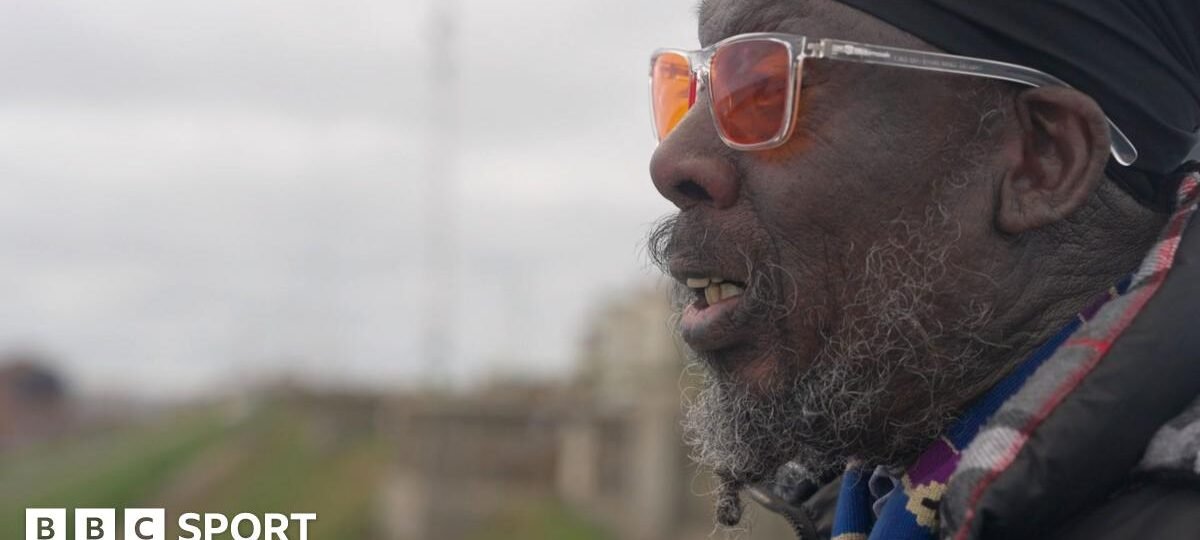
“I waited 46 years to break my silence, because I didn’t think anyone would listen. I thought I’d take these stories to my maker.”
Rumour had it Roly Gregoire had become a bus driver, a milkman or even a DJ. But what really happened to Sunderland’s first black player was too painful for him to talk about until now.
His first-team debut for the club on 2 January 1978 should have been the proudest day of his life, but hours after the 19-year-old’s assist in a 2-0 win over Hull City, the racist abuse started.
By the time injury cut short his career two years later, he had faced so much racism that he could not bear to watch football for many years. He moved away, changed his name and until now has not felt able to share his story.
“Sometimes I wish I’d never played football, to tell you the truth, because some of the pain, I can still feel it,” Gregoire, now 67, tells BBC Look North in an emotional interview.
“Talking to you, I can feel myself welling up at times but I’m trying to contain myself because I want to get this across so the supporters can understand where I’m coming from.”
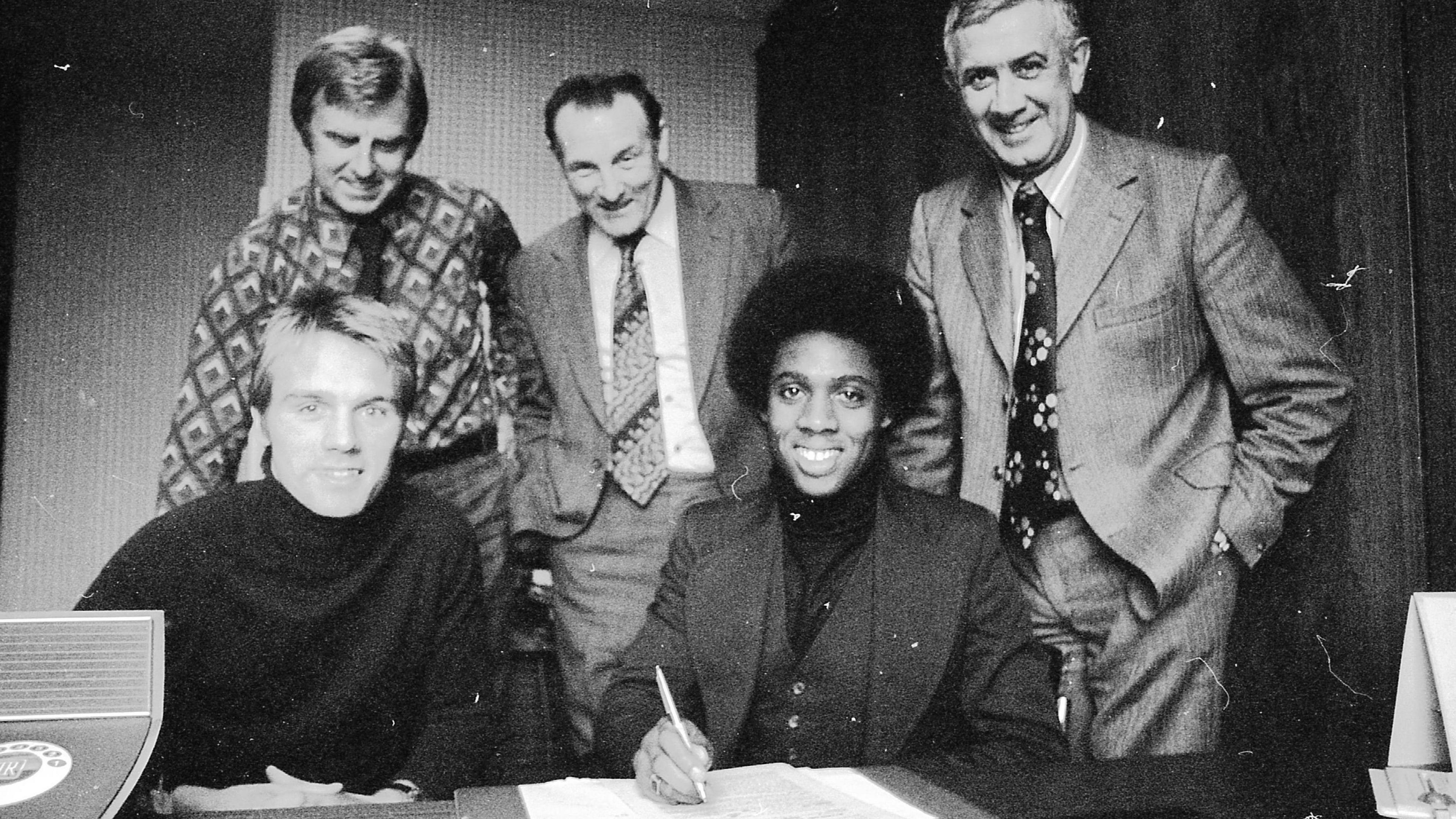 Image source, Sunderland Echo/Sunderland Antiquarian Society
Roly Gregoire (holding pen) signed for Sunderland on 5 November 1977
Signed from Fourth Division Halifax Town on Bonfire Night 1977, for a fee of £5,000, Roland Gregoire – a quick, direct and confident striker known to everyone as Roly – had caught the eye with a hat-trick against the Wearsiders’ reserves, earlier that season.
Gregoire settled into digs on the sea front in Seaburn, delighted and surprised that it was the very Sunderland suburb much loved by him and his family because of their annual Sunday School outings there from Bradford.
Sunderland manager Jimmy Adamson opened the new year by handing him the number seven shirt for the Second Division game against Hull City at Roker Park, and the teenager responded by setting up a goal for club legend Gary Rowell in a 2-0 win.
It was a landmark moment for Gregoire which was ruined, forever, by what happened next.
He remembers: “After the game I was having a drink with some supporters, and one of them asked: ‘Were your brothers at the game today?’ I said: ‘Yes, five of them.’ And he said: ‘They’re fast!’ But someone interrupted, and I didn’t get the chance to ask what he meant.
“Later, I rang one of my brothers to make sure they’d got home OK. He said they’d been coming to find me at the club hostel where I was staying, but on the way someone threw half a brick at them and shouted … they used the N-word, I’ll put it like that.
“It was a group of men – a lynch mob – who chased them through the park near the ground.
“They were just teenagers. They were so scared – but somehow they managed to escape. It was despicable. Seaburn had meant so much to us, but from that day on my mother, ’til the day she died, never, ever spoke of Sunderland again.”
For Gregoire, this was just the start.
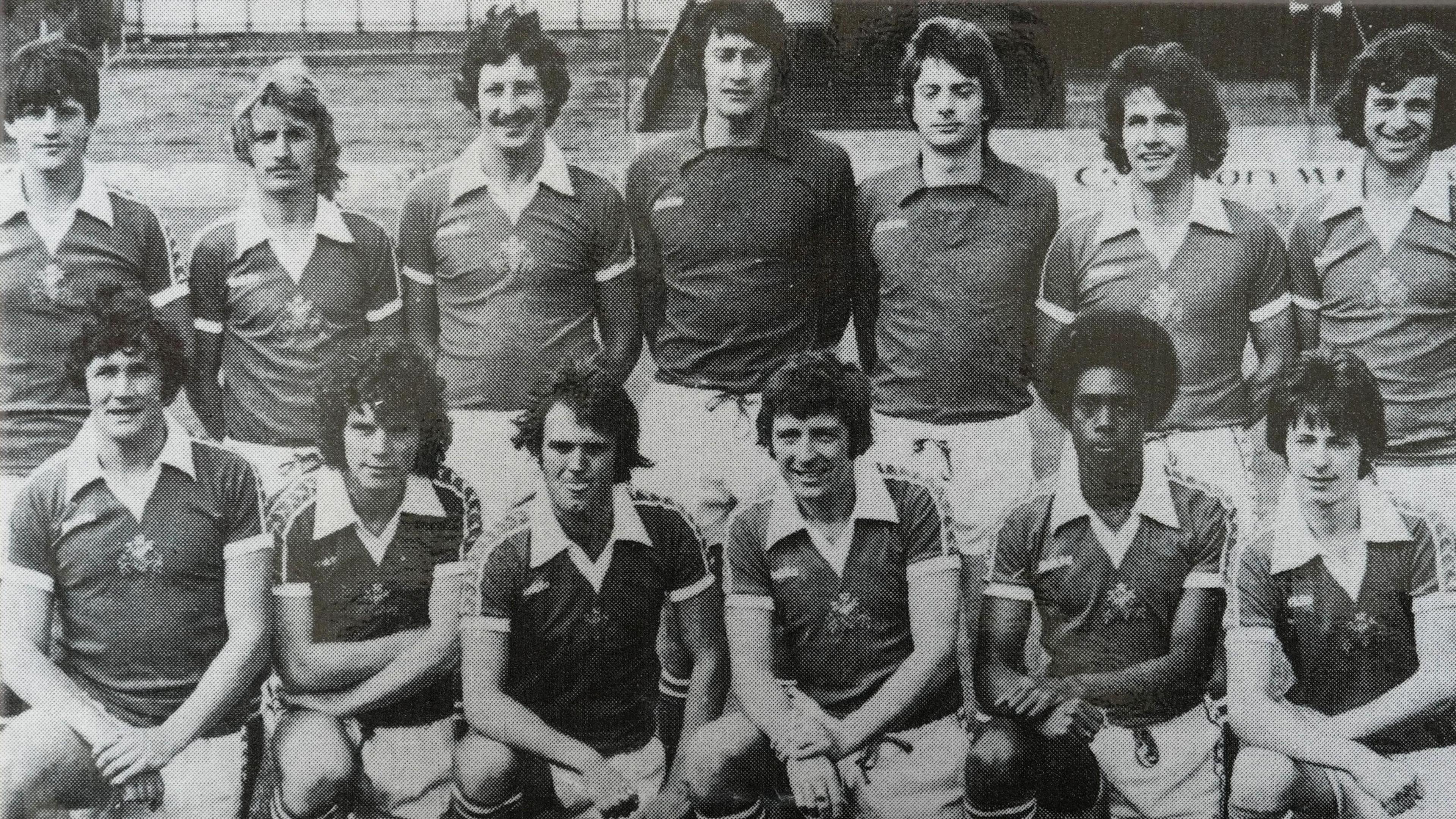 Image source, Halifax Town FC
Still a town at the time – it wasn’t granted city status until 1992 – Sunderland was a different world to the one in which Gregoire had grown up. Born in 1958 in the Toxteth area of Liverpool to Windrush Generation parents from the Caribbean island of Dominica, he was raised in Bradford, another multi-cultural city.
By contrast, according to the Census figures, barely 1% of a Sunderland population approaching 300,000 in 1981 was of African-Caribbean origin.
A fifth of the League’s 92 clubs had yet to sign a black player by 1978, the year Nottingham Forest’s Viv Anderson became the first to claim a senior England cap.
“I knew only one other black fellow in Sunderland, he was at the polytechnic,” remembers Gregoire. “Wayne Entwistle [a white striker, who signed the same day in a £30,000 deal from Bury] shared digs with me for a while and was a good guy, but it was quite a lonely time.”
Gregoire cites the club’s 1973 FA Cup-winning captain Bobby Kerr and experienced midfielder Mick Docherty as two colleagues who made him feel welcome, in a debut season where he made eight first-team appearances.
But he felt the dressing room attitude towards him change in the summer of 1978, with a couple of notable incidents on a pre-season tour of Kenya.
“After one game, all these children ran on to the pitch and went up to one of our players and gathered round him,” he says. “But when they’d gone he came to me and wiped his hands on my shirt. I thought that was disgusting.
“It was like he thought those children had disease, and wanted to wipe it on me! Why me? Because I’m black, is that why?”
Later, at a post-match reception at the home of a wealthy local white family, the team lined up to meet the hostess.
“She shook the hand of the players on my right, bypassed me, then shook the hand of everyone else,” he says.
“I didn’t waste a second. I just calmly and coolly walked out of the house and on to the team bus. I would rather be out there, with lions and hyenas, than be inside, being insulted like that.
“Not one person came to see how I was, or to offer some comfort. It was only when they’d finished eating and drinking, laughing and joking, that they came filing back on to the coach.
“I thought that was a disgrace. That woman insulted me, and by insulting me she insulted the club. There was no loyalty, no integrity – I felt abandoned.”
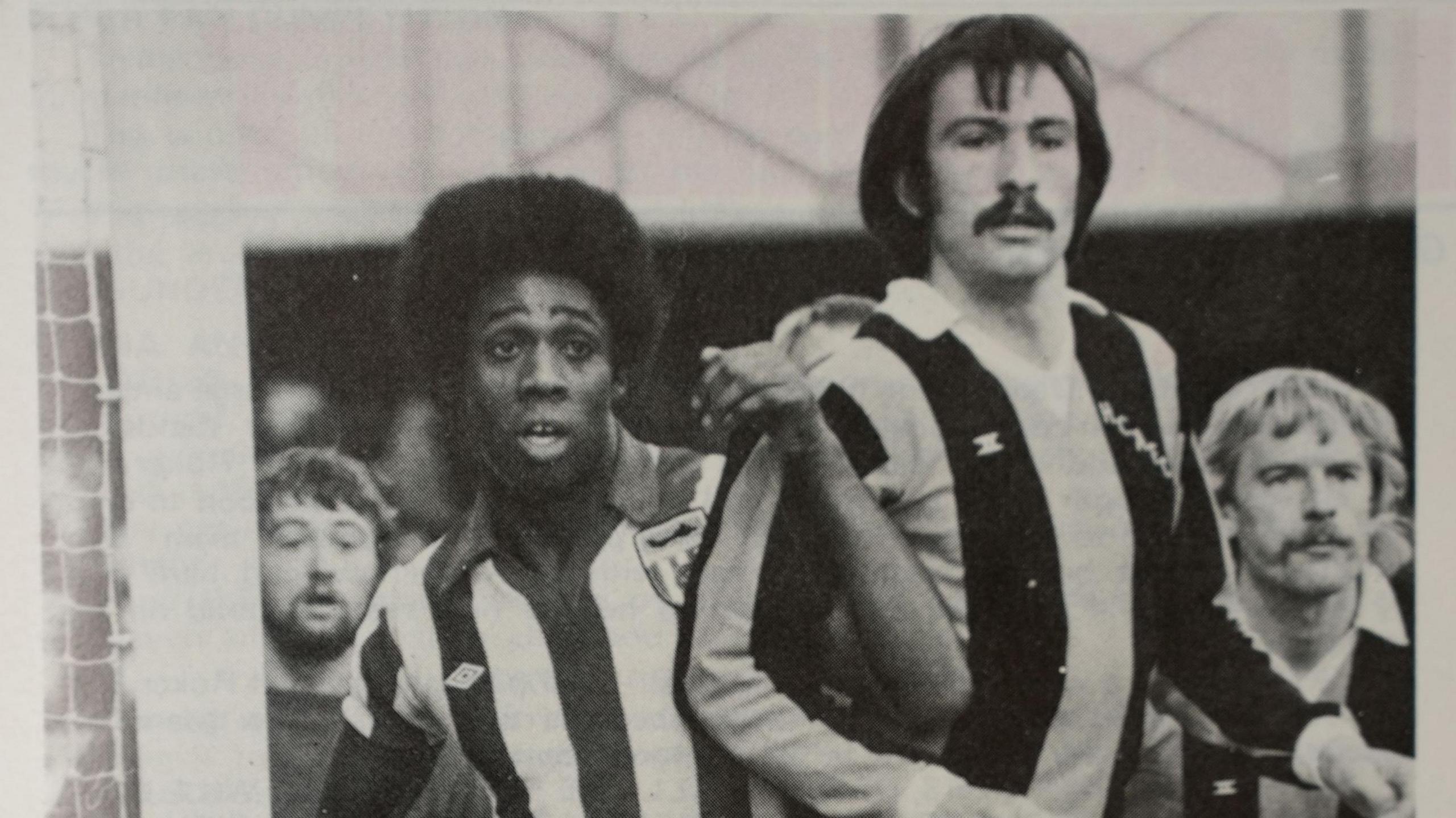 Image source, Sunderland Echo
Roly Gregoire scored one goal in 10 appearances for Sunderland
The fact Gregoire did not feature in Sunderland’s first-team photo for the 1978-79 season hinted at the problems to come, and one post-match visit to the Roker Park dressing room during that campaign sticks vividly in his mind.
He explains that he was going round the changing room shaking everyone’s hands – as was the tradition for anyone who hadn’t played to do – when he came to one player who addressed him with a racial slur.
“I just held him by his throat, up against the locker, then put him down and walked out,” he says.
“The changing room was packed, but no-one came to ask: ‘Roly, what happened there?’
“I started to feel it more and more, as each incident happened, with people putting me down all the time. It was as if nobody at Sunderland cared for me.”
In an injury-hit second season, Roly made just one substitute appearance for the senior side before a shock call-up for his only start of the campaign on Easter Monday 1979 when Sunderland, joint leaders of the Second Division, hosted bottom-of-the-table Blackburn Rovers.
It was a match which has come to define his time at the club.
A crowd of more than 35,000 turned up, expecting a comfortable home win. Instead, a first-half penalty from Derek Fazackerley – Rovers’ only shot on target – sent the Black Cats to a 1-0 defeat. They were to miss promotion to Division One (now the Premier League) by a single point.
Surprisingly asked by caretaker manager Billy Elliott to lead the attack that day, Gregoire had missed an early chance and endured a traumatic 90 minutes, not helped by a section of his own fans turning on him.
In his match report for the Sunderland Echo, veteran reporter Billy Butterfield, writing under the pen name of Argus, called it “a nightmare experience” for Gregoire, adding: “He must have been absolutely shattered by the abuse and ridicule showered upon him by the crowd.”
Gregoire was never given a chance to win over his critics. Early the following season he suffered a serious knee injury in a reserve game at Murton CW.
He never kicked a ball again. He was 20.
“I spent my 21st birthday in hospital, and I knew it was over,” he says.
His football might have been over but the fallout was not.
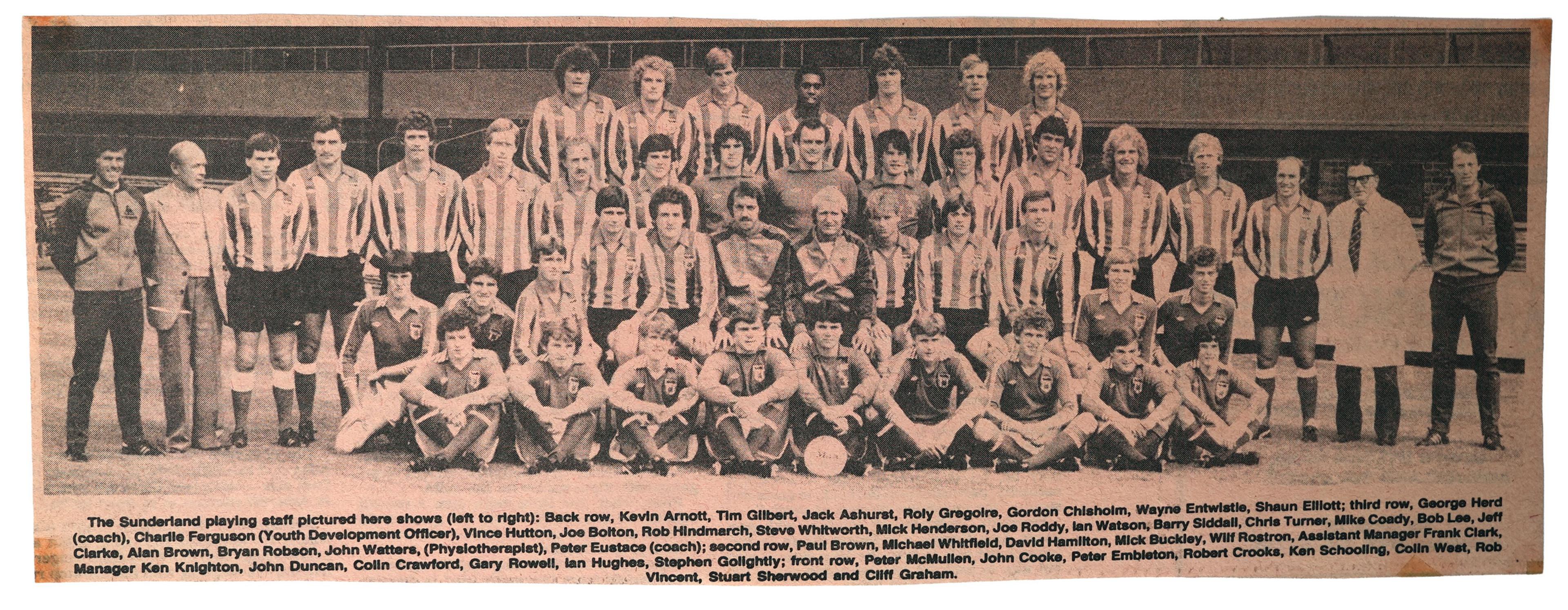 Image source, Sunderland Echo
Rory Gregoire (back row, fourth from left)
Gregoire says he was given assurances the club would “look after him” if he agreed to the cancellation of the final 12 months of his £6,000-a-year contract. He received an insurance payout of only £1,500.
Desperate for work he moved to London, but aggravated his knee injury lifting mail bags.
For the best part of 40 years, he has lived on disability and industrial injury benefits.
“I challenged the club over my compensation in 1986, but they said they’d paid what they had to,” he says. “I was conned. I was duped. I felt like my head was going to explode.”
The BBC approached Sunderland about Gregoire’s experiences and his claim for compensation and the club responded in a statement that they were “unable to comment on historical matters relating to this period” but that “Sunderland AFC stands firmly against racism and discrimination in all forms and remains committed to equality, inclusion and respect throughout the Club and wider community”.
After his unsuccessful challenge regarding his compensation, Gregoire said he went to Dominica to live with his grandfather in his wooden house for six months.
“It was also where I became a Rastafarian, which has given me some measure of peace,” he adds.
Taking the Rasta name Jabari Muata Ta Seti, he returned to Bradford and worked as a voluntary counsellor, also setting up the anti-drugs charity Black Against Crack in the city in the mid-1990s.
And he fell out of love with football for a long time.
“For about 10 years I couldn’t even watch Match of the Day because it brought back too many bad memories”, he says.
Over the years, the name Roly Gregoire has regularly featured in supporters’ polls naming the worst Sunderland team of all-time.
Despite the fact he scored two reserve team hat-tricks in his short time at Sunderland, and that a return of six wins and one goal from his 10 first team league and Cup outings is more than acceptable, many fans only remember that last, disastrous game against Blackburn.
After nearly half a century, he just wants to set the record straight.
“I don’t hate Sunderland, but I hate what they did to me and I hate the fact my legacy is mud,” he says.
“I’m a joke. I’m a laughing stock. What terrible thing did I do? I was just a young man. It’s easy, because I’m the black fellow, you see.”
Sunderland fan Bill Hern, co-author of Football’s Black Pioneers, which chronicles the first black player at each of the 92 League clubs, is hoping Gregoire’s reputation can be restored.
“I remember seeing him play, and he had great potential. You can only imagine how isolated he must have been in Sunderland at that time,” says Hern.
“He went through so much, but he paved the way for the likes of Gary Bennett, Darren Bent, Jermain Defoe and many others. For that reason his name will be forever cemented into the history of Sunderland AFC.”
Bennett, a former club captain who was made an MBE for his anti-racism work, acknowledges the debt he owes Gregoire.
“He was a trailblazer,” says the man who became the club’s second black player, signing from Cardiff City in 1984.
“Roly went through so much, and didn’t have the organisations we have now like Show Racism the Red Card or Kick It Out, which can help.”
Despite the Premier League recently updating its No Room for Racism action plan, Sunderland players Romaine Mundle and Habib Diarra have been among those subjected to hateful online attacks this season, while team-mate Lutsharel Geertruida alleged he was racially abused by a Newcastle fan during the Tyne-Wear derby in March.
All three received instant support and guidance from the club.
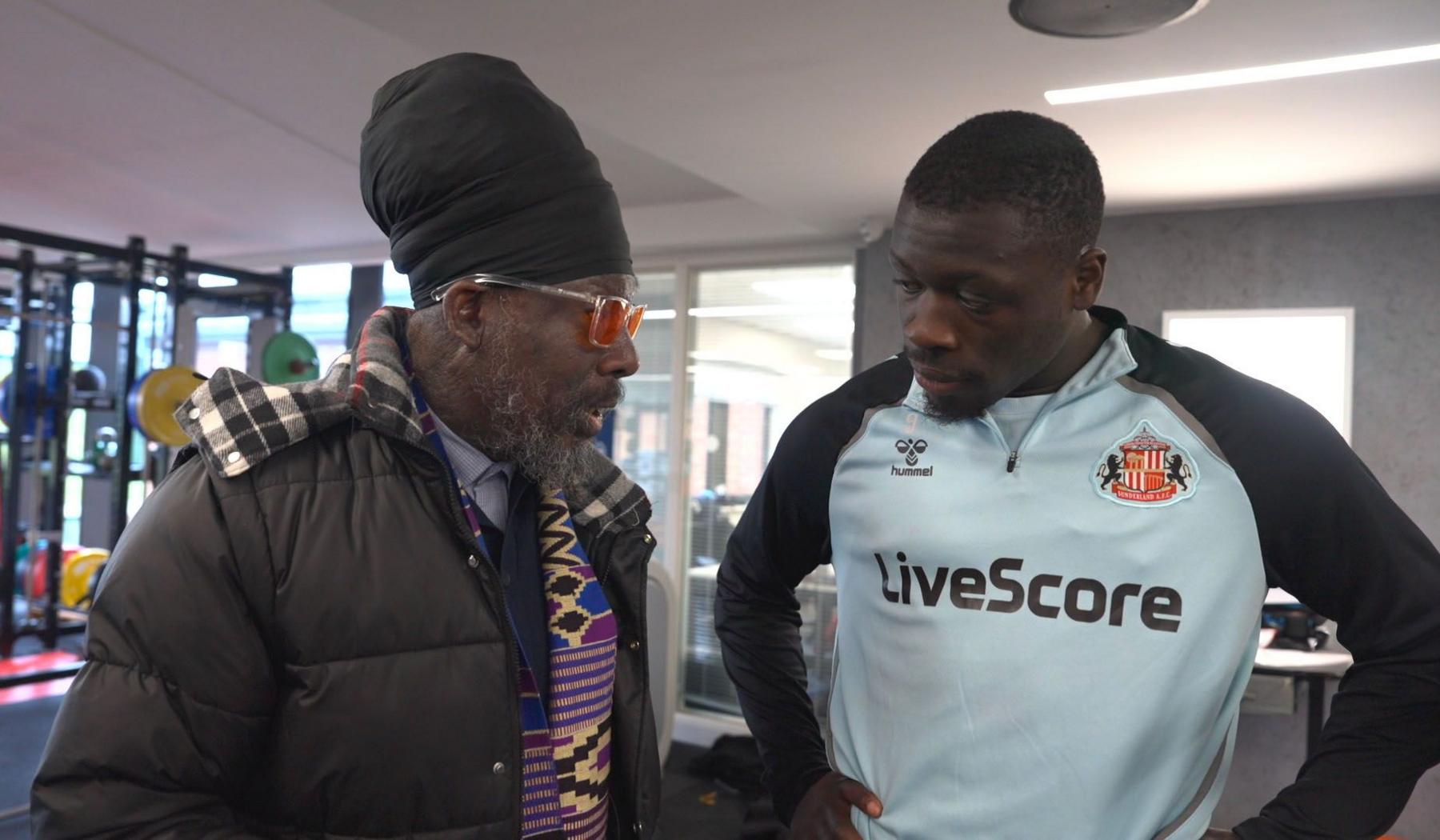
Roly Gregoire met current Sunderland players, including striker Brian Brobbey (right), on his visit to the training ground
A few weeks ago, Gregoire was invited back to Wearside with some of his family to meet the current squad. He chatted to players in the gym and admired the “beautiful” facilities, while also sharing memories of his time, including how windy it always was and the £1-a-minute fines for being late to training.
He made an emotional return to Seaburn to show his daughter and grandson where he had lived, looking out to sea with tears in his eyes and a “thank you, God” before adding: “Mum, dad, look where I am after all these years.”
Gregoire was also a guest of Sunderland at their home game with Manchester United earlier this month, where he posed for photos with fans and signed autographs, later joking to his daughter that they had been “treated like celebrities”.
“I’m so happy to be back,” he told his former captain Kerr, whom he met at the Fans’ Museum, where photos of Gregoire hang on the wall.
Gregoire, who says he still follows Sunderland’s results and now “doesn’t miss” an episode of Match of the Day, said that even though he had shed a lot of “eye water” remembering his experiences, he was glad to have now spoken publicly about what happened.
“We recognise the important role that Roly Gregoire played in Sunderland AFC’s history as the Club’s first Black player, and we look forward to continuing to work with him during the 2026-27 season to appropriately acknowledge and celebrate his contribution as part of the club’s history,” Sunderland said in its statement.
Does Gregoire think times have changed for black players?
“The problems they face are much the same,” he says. “People maybe don’t chant the racist things they used to, but instead they write it online. At least now black players have a voice and can make themselves heard.
“Going back to Sunderland after all this time was a wonderful experience. I feel purged… I feel purged. I’m happy.”
If you are affected by any of the issues in this article you can find details of organisations that can help via the BBC Action Line.
Discover more from NAIRAVOICE.COM.NG
Subscribe to get the latest posts sent to your email.