
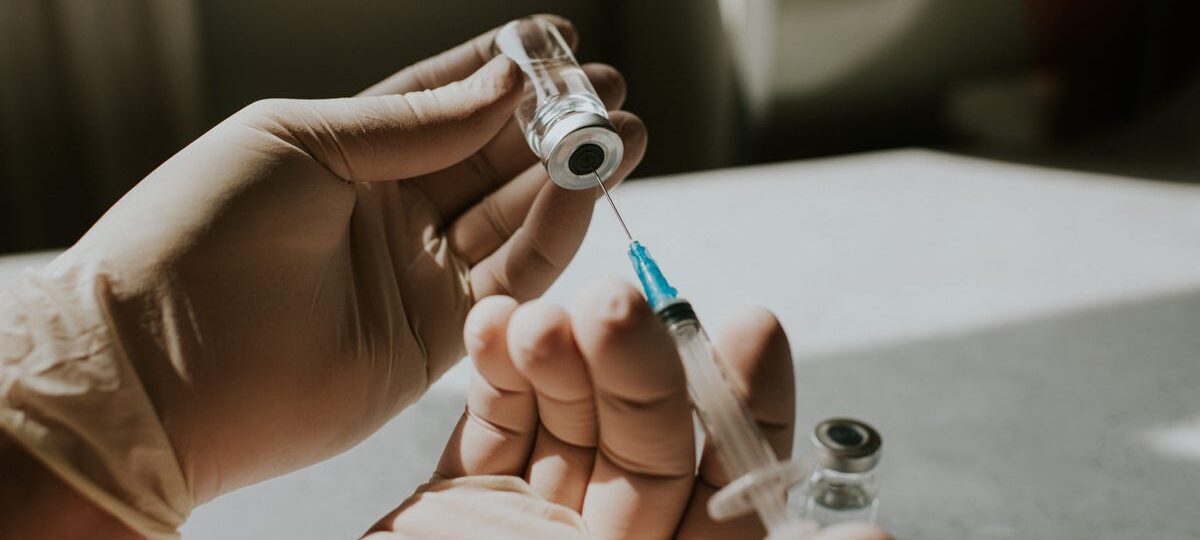

- In a breakthrough for longevity science, a reverse-aging treatment has been injected into a human.
- The technique is a sought-after solution for improving longevity by reprogramming cells.
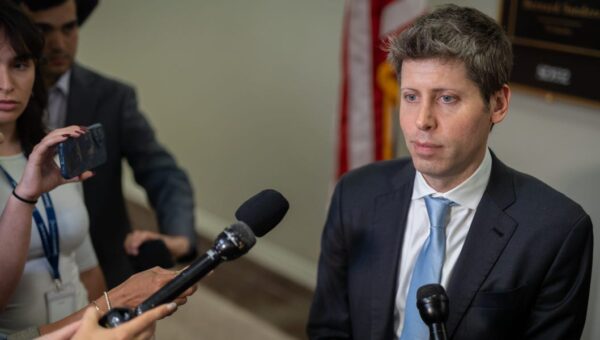
- Competitors in the space include projects backed by Sam Altman, Jeff Bezos, and Eli Lilly.
The risks and rewards of achieving cellular reprogramming are both sky-high

They’re also cautious. On a recent episode of longevity researcher Matt Kaeberlein’s podcast, he asked his colleague Brian Kennedy, who directs the Centre for Healthy Longevity at the National University Health System in Singapore, what he thought about where this is all headed.
“I am supportive of the concept of epigenetic reprogramming, partly because I think that it has, conceptually, the potential to have a big effect on aging if it can be done correctly,” Kennedy said on the podcast. “I’ve always been skeptical that we have enough knowledge to do that safely and effectively in a human.”
“Having said that, this is an interesting place to look,” he added, since the eye is semi-protected and sheltered from the rest of the body, it’s “presumably going to have less side effects.”
Discover more from NAIRAVOICE.COM.NG
Subscribe to get the latest posts sent to your email.