
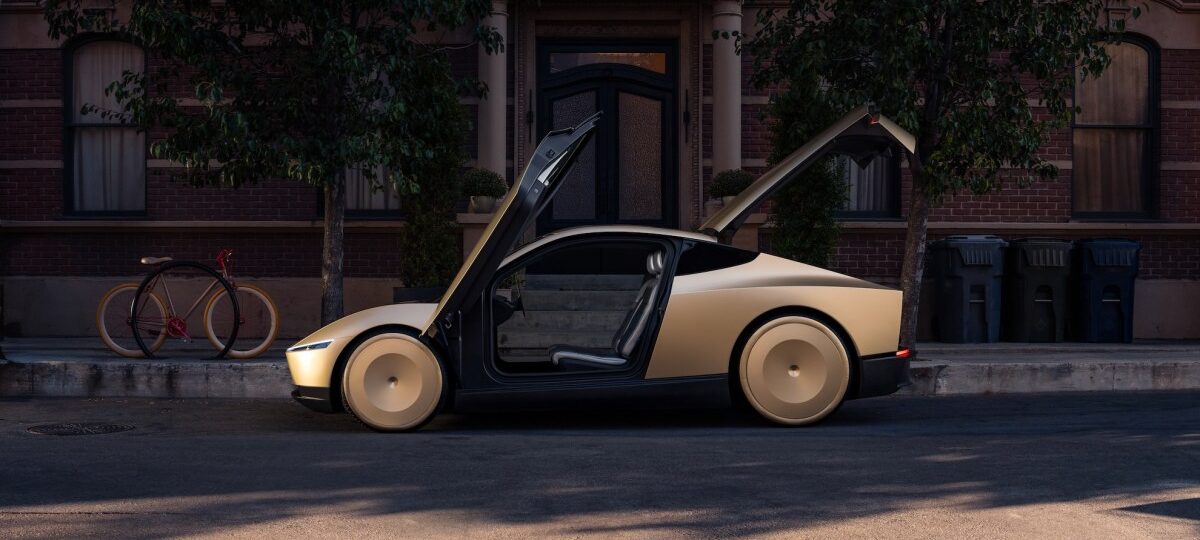
Tesla published a form on Thursday for businesses interested in buying Cybercab fleets or providing infrastructure for its network, the latest sign that the company’s aspirations for its gold-hued autonomous vehicle stretch beyond being a robotaxi operator.
The robotaxi interest form, which was released ahead of the company’s Cybercab event in Austin, is not definitive proof that Tesla will sell its autonomous vehicles to third-party operators. But it’s certainly an indicator of where the company’s longer-term plans lie. Tesla wants to scale and it doesn’t seem to want to do it alone.
Tesla CEO Elon Musk has talked often, and for years, about building a massive fleet of low-cost robotaxis. But in the early days, those dreams centered on personally owned Tesla vehicles. As early as 2016, Musk spoke publicly about a future in which Tesla owners, equipped with self-driving software, would be able to earn money by renting out their vehicles. He stuck with that Tesla network idea for years, noting at the company’s Autonomy Day in 2019 that it would allow owners to add their autonomous vehicles to its ride-sharing app, similar to how Uber’s business model works.
“I feel very confident predicting that there will be autonomous robotaxis from Tesla next year — not in all jurisdictions because we won’t have regulatory approval everywhere,” Musk said in 2020.
That vision never materialized. Instead, the company has focused on testing, and now operating, its own fleet of robotaxis — first with Tesla Model Y vehicles and now the purpose-built Cybercab.
Until now, Tesla seemed committed to keeping its robotaxi business in-house. The interest form, which says “helps us build our robotaxi network,” suggests the company sees promise and profits in widening the circle to include third-party companies.
What that might look like though isn’t defined. The company asks interested parties to pick one of several possible options, including Cybercab fleet purchasing, mobility hubs and infrastructure, event collaboration, and “other.”
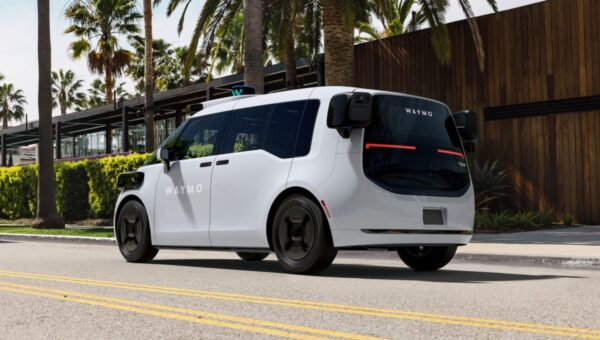
There are a growing number of companies jumping into the robotaxi fleet management business. For instance, Moove, an African fintech startup that initially focused vehicle financing for ride-hailing drivers, is scaling up an autonomous fleet management business. The startup, which raised $250 million last month at a $2.1 billion valuation, is the fleet operator for Waymo in Phoenix, Miami, and Las Vegas, and in the future, London. The company doesn’t own the Waymo vehicles, but its CEO told TechCrunch that it plans to.
Other autonomous fleet management companies, which Uber has partnered with in its bid to own a piece of the robotaxi market, include Avomo and New Horizon as well as larger more traditional rental car giants like Avis and Hertz.
Tesla’s welcome mat to fleet operators could encourage more small players to open up shop — helping the company saturate markets faster.
Discover more from NAIRAVOICE.COM.NG
Subscribe to get the latest posts sent to your email.