ABUJA, NIGERIA – The Senate has passed, for second reading, two bills seeking to expand the academic powers of the National Postgraduate Medical College of Nigeria and strengthen the independence and operational autonomy of the Nigerian Safety Investigation Bureau.
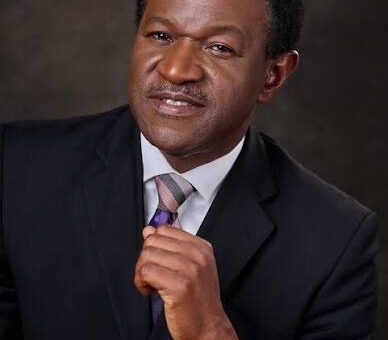
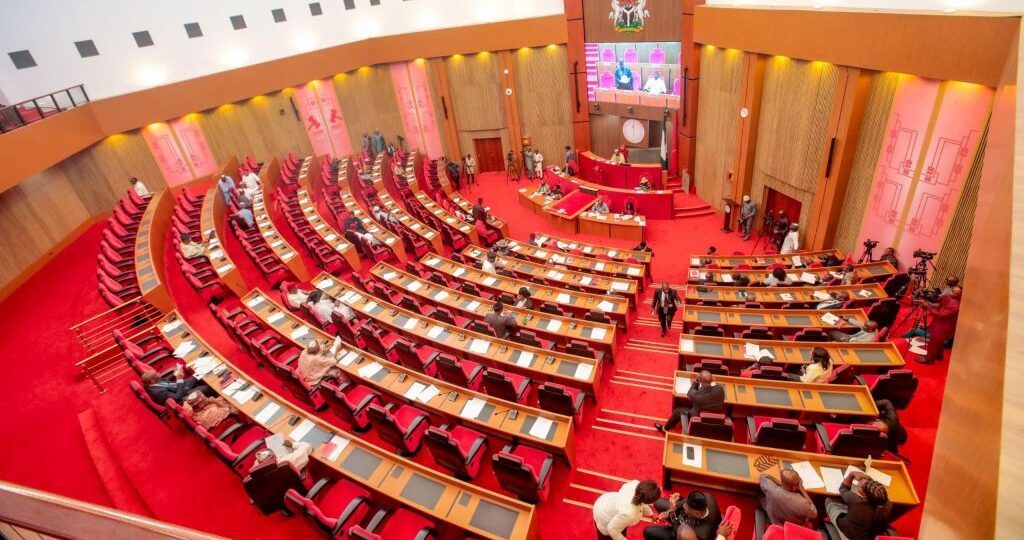
The bills, sponsored by the Senate Leader, Senator Opeyemi Bamidele, were considered during plenary at the National Assembly in Abuja on Tuesday.
The first proposed amendment seeks to empower the National Postgraduate Medical College of Nigeria to establish academic programmes and award Doctor of Philosophy (PhD) degrees in clinical medicine, dentistry and related disciplines.
The second bill seeks to amend the Nigerian Safety Investigation Bureau Act to improve the agency’s capacity to investigate transportation accidents and incidents without unnecessary administrative interference.
Both proposals were advanced after Bamidele presented their objectives to lawmakers, outlining how the amendments could strengthen specialist medical education, research development and transportation safety investigations in Nigeria.
Medical College Seeks Expanded Academic Mandate
Leading the debate on the proposed amendment to the law governing the National Postgraduate Medical College of Nigeria, Bamidele said the changes would broaden the institution’s responsibilities beyond professional postgraduate examinations.
He explained that the amendment would provide the college with a statutory basis to establish academic programmes and award PhD degrees in clinical medicine, dentistry and related fields.
According to the Senate Leader, the proposal is intended to strengthen the relationship between specialist medical training, clinical research and advanced academic development.
He said the expanded mandate would allow the college to contribute more directly to the development of research capacity and specialised knowledge within the medical profession.
“The second and most significant provision is the amendment of Section 2 to expand the College’s mandate. In addition to conducting professional postgraduate examinations, the College will be empowered to establish academic programmes and award Ph.D. in clinical medicine, dentistry, and related disciplines,” Bamidele said.
“This proposed expansion represents an important step towards strengthening the relationship between specialist medical training, clinical research, and advanced academic development.
“It will create a statutory basis for the College to contribute more directly to the development of research capacity, clinical scholarship, and specialised knowledge within the medical profession.”
The proposed amendment is also expected to clarify the college’s academic responsibilities and establish a framework for administering doctoral programmes under the accreditation and regulation of the National Universities Commission.
Bamidele said the changes were necessary to ensure that the institution’s expanded academic mandate would be supported by clearly defined responsibilities and an appropriate regulatory framework.
The proposal would, therefore, place greater emphasis on the college’s potential contribution to advanced research and academic development alongside its existing role in professional postgraduate medical training.
The Senate Chief Whip, Senator Mohammed Monguno, seconded the bill during the proceedings.
Proposed Changes to Medical Training and Research
The proposed expansion of the college’s powers centres on creating a legal basis for doctoral-level academic programmes in specialised medical fields.
Under the amendment presented to the Senate, the institution would be able to establish programmes leading to PhD degrees in clinical medicine, dentistry and related disciplines, subject to the proposed regulatory framework.
Bamidele argued that the change would strengthen the connection between specialist professional training and the development of clinical scholarship.
The proposal also identifies research capacity as a key area in which the institution could make a greater contribution to the medical profession.
By providing for academic programmes and doctoral qualifications, the amendment seeks to give the college a more direct role in advanced academic development within its areas of specialisation.
However, the bill remains at the legislative stage, having passed second reading. Further consideration by the National Assembly would be required before the proposed changes could become law.
Senate Seeks Greater Independence for Safety Investigation Bureau
The second bill considered by the Senate seeks to amend the Nigerian Safety Investigation Bureau Act to strengthen the bureau’s independence and operational autonomy.
Presenting the proposal, Bamidele said the legislation was designed to improve Nigeria’s capacity to investigate transportation accidents and incidents.
He said the proposed changes would enhance the quality and credibility of safety investigations while helping ensure that findings lead to practical measures aimed at preventing similar accidents in the future.
According to him, the amendment would also remove certain requirements for ministerial approval and recommendations in the bureau’s appointment and administrative processes.
The proposed changes are intended to reduce administrative constraints affecting the agency’s operations and strengthen its ability to carry out its responsibilities.
Bamidele maintained that credible safety investigations are important for identifying the circumstances surrounding transportation accidents and incidents and translating the findings into preventive measures.
The proposed amendment would therefore focus on the institutional arrangements governing the bureau, particularly the procedures for appointments and other administrative decisions.
By seeking to remove specified ministerial approval and recommendation requirements, the bill aims to strengthen the bureau’s operational autonomy.
The extent of the changes would depend on the final provisions approved by lawmakers and the outcome of the legislative process.
Bills Await Further Legislative Consideration
The passage of the two bills for second reading allows them to proceed to the next stages of consideration within the Senate’s legislative process.
The medical college proposal seeks to expand opportunities for doctoral-level academic programmes in specialised medical disciplines, while the safety investigation bill focuses on strengthening the institutional independence of an agency responsible for investigating transportation accidents and incidents.
Both proposals were introduced by Bamidele and considered during the same plenary session in Abuja on Tuesday.
The bills have not yet become law, and their proposed provisions remain subject to further legislative scrutiny and approval.
Further consideration will determine whether the proposed amendments receive the necessary legislative backing to alter the legal framework governing the National Postgraduate Medical College of Nigeria and the Nigerian Safety Investigation Bureau.
Discover more from NAIRAVOICE.COM.NG
Subscribe to get the latest posts sent to your email.