This promised design revolution never escaped the concept and prototyping phase. Autonomy took longer than those companies anticipated to develop, and automakers (new and old) struggled with the harsh realities of manufacturing and selling an entirely new category of vehicle.
The difference now is that Scaringe’s comments came at a time when there are real robotaxis roaming the streets of multiple cities around the world. The software that powers them has seemingly developed to a level that is capable enough to operate them safely on public roads at scale, even if there are still some issues to work out when it comes to integrating them into the urban fabric of cars, bikes, pedestrians, and emergency vehicles. The components that make up electric vehicle motors and batteries have gotten cheaper, and companies like Tesla and Rivian (and many more in China) have gotten better at building them at scale.
Rivian has a lot of work ahead before it gets to driverless vehicles. The company is at the beginning of its effort to scale production of the R2 SUV, which it needs to get right in order to reverse years of losses that it incurred to become a major EV player.
On the autonomy side, Rivian is just a few years removed from completely reworking its approach to self-driving software, and it still has a ways to go.
The company has shipped a driver assistance system that allows drivers to take their hands off the wheel, while still watching the road. It has promised that, by the end of this year, that software will be capable of driving from start to finish — which the company calls “point-to-point navigation” — without intervention, though still under driver supervision. And it is working toward full autonomy, which it plans to deploy in robotaxi versions of its R2 SUV that will be available on Uber’s ride-hail app.
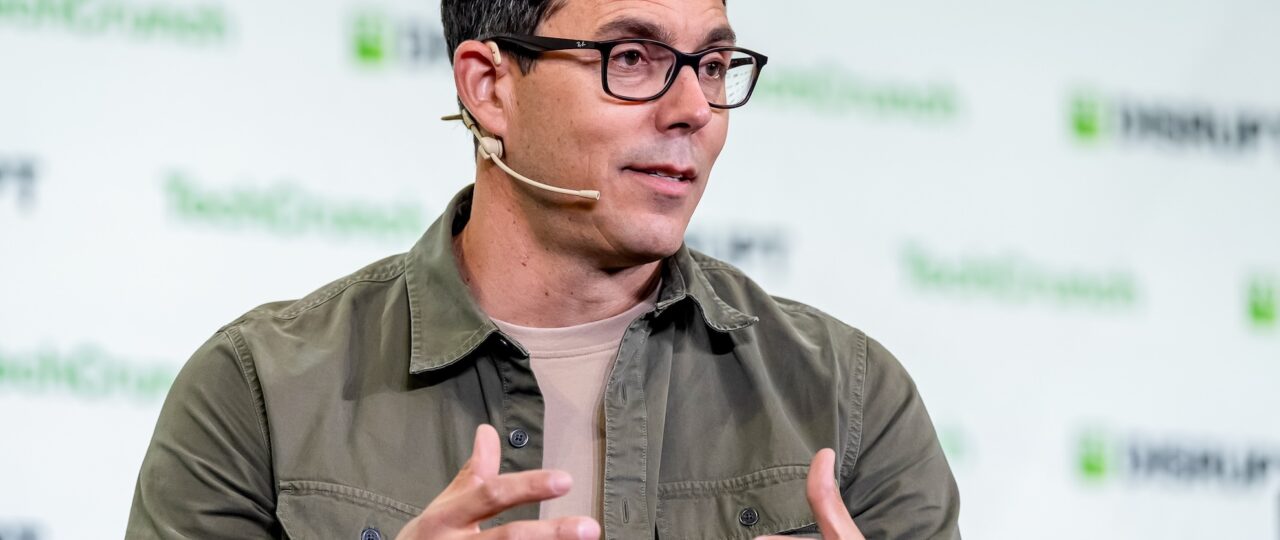
But if Rivian achieves full autonomy, most of that driving will be done in personally-owned vehicles, Scaringe said in the interview, echoing previous comments he’s made.
“You know, 95% of the miles driven in the United States — so this is trillions of miles — 95% of these miles are in things that we personally own, so like you own it, or your household owns it. And so our view is it’s unlikely, even with Level 4 capabilities, that we’re going to see a dramatic societal shift away from that,” he said, referencing the Society of Automotive Engineers’ classification for autonomous vehicles that operate in a specific area.
That figure “may go from 95% to 90%, it may go from 95% to 80%, but still the vast majority of the miles driven for a lot of societal and psychological reasons are likely to stay the same,” he said.
It’s this belief that has Scaringe dreaming about the design of a fully-autonomous, personally-owned Rivian, he said.
As for what that looks like, though, Scaringe was mum.
“So we did R1, then we did R2, then we did R3. The thing after R3 is going to be called R4 — we just haven’t shown what it looks like,” he said. “It’s going to be cool. It’s going to be great.”
Discover more from NAIRAVOICE.COM.NG
Subscribe to get the latest posts sent to your email.