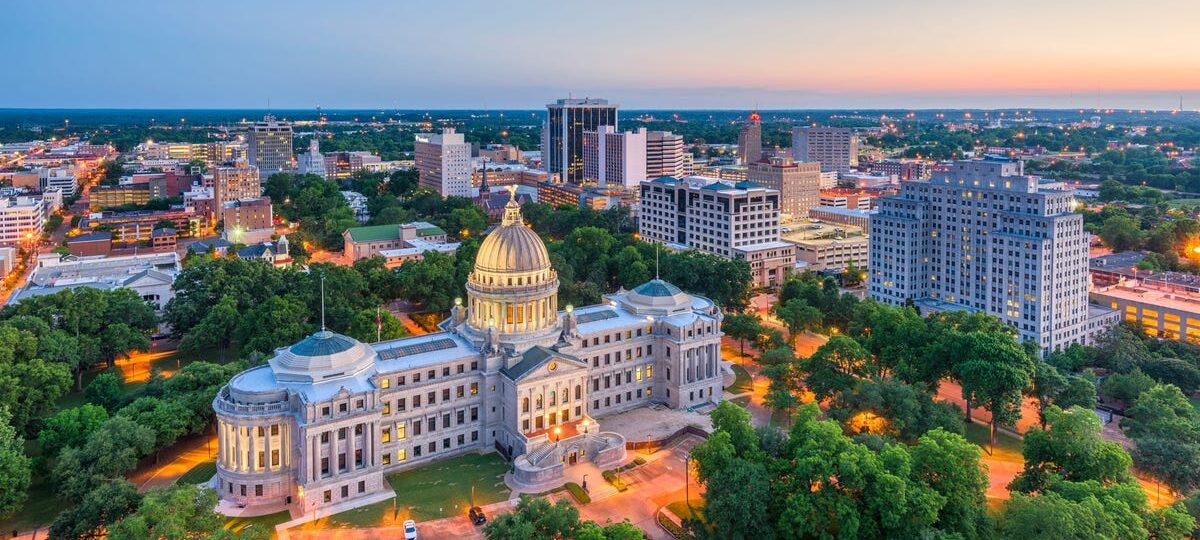
From railroad hubs and river towns to hard-fought votes and alleged bribes, America’s state capitals took wildly different paths to power.
Today, in 17 states, the capital is also the most populous city.
Phoenix, the nation’s most populous state capital, has more than 1.6 million residents, while Montpelier, Vermont, has fewer than 8,000, according to the latest Census estimates.
But population was often far from the deciding factor when designating a state capital.
Many were selected hundreds of years ago, when some of today’s cities were little more than stretches of undeveloped land.
Some were simply designated as state capitals by legislative or popular vote, while others were subject to political trickery and corruption, and some were chosen because they were the sites of new, booming industries.
In a few cases, townspeople even chipped in to fund the new capitol buildings.
Most commonly, cities were chosen based on their geographic location.
Before modern transportation, rivers and railroads were the best means of transit.
As such, many state capitals sit along rivers or were chosen for their central locations to allow legislators to travel easily from every corner of the state.
From Alabama to Wyoming, see how every state’s capital earned the title.
Discover more from NAIRAVOICE.COM.NG
Subscribe to get the latest posts sent to your email.