By Akpokona Omafuaire
THERE comes a moment in the life of a nation when the question is no longer what the law says, but who will listen.
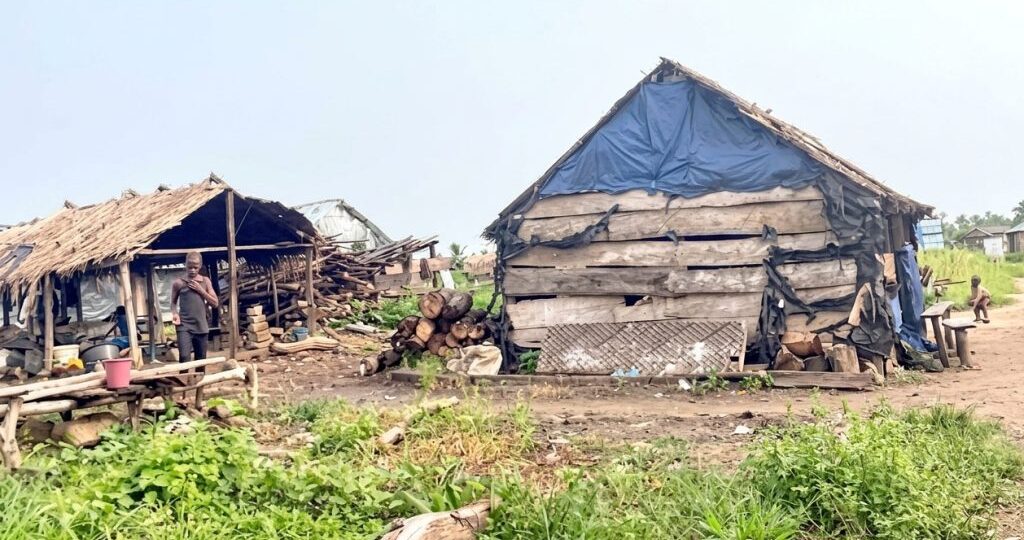
In the troubled story of Okuama, a riverine community in Delta State, that question hangs in the air like a verdict still waiting to be understood.
A court may speak in the measured language of justice, its orders carefully written and its pronouncements entered into the record. But beyond the courtroom doors lies another world—one where families wait, communities wonder, and the meaning of justice is measured not merely in words, but also in what happens next. When the court speaks, who answers?
The question is simple. Its implications are not.
The shadow of March 14
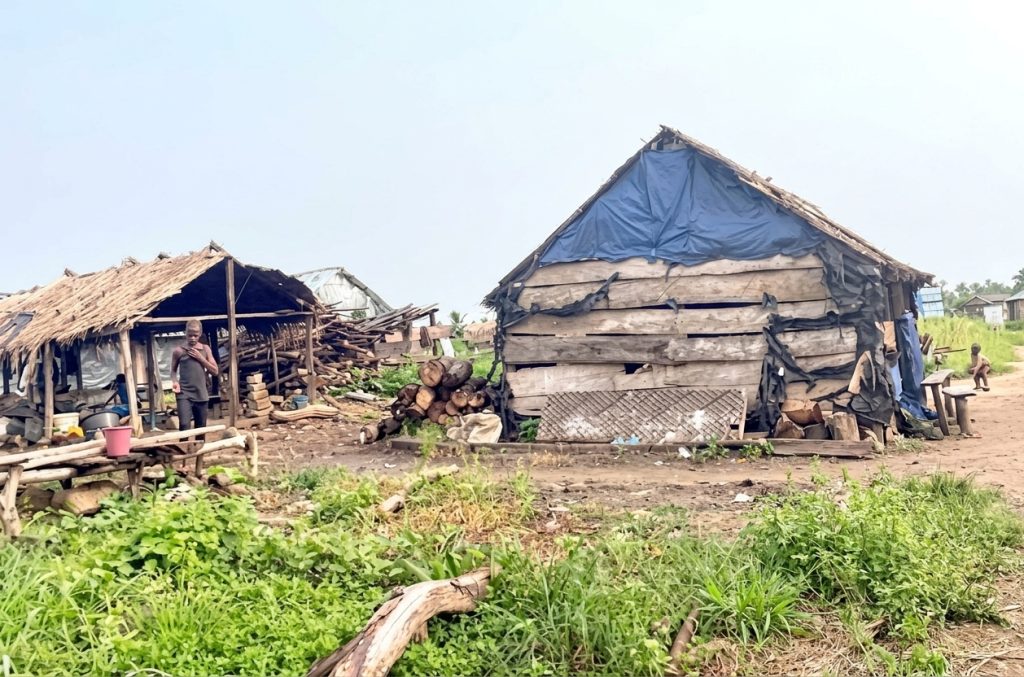
On March 14, 2024, the killing of 17 military personnel near Okuama, Ughelli South Local Government Area, Delta State transformed a local tragedy into a national crisis. The events that followed brought military operations, arrests, displacement and the detention of community leaders.
In the months that followed, the community’s story became entangled in a difficult conversation about security, accountability, due process and the protection of human rights. For the families of those killed, the loss was permanent.
For residents caught in the aftermath, the uncertainty was deeply unsettling. For the detained leaders and their relatives, the passage of time raised its own questions about liberty, legal process and the right to know what lay ahead.
Different lives, different losses — but one unfolding story
And somewhere within that story, the question of justice refused to disappear.
The courtroom and the waiting world
In June 2026, the Federal High Court in Warri ordered the release of Prof. Arthur Ekpekpo and other detained Okuama leaders.
A judicial order of this nature carries significance beyond the courtroom. It places an obligation on the relevant authorities to act in accordance with the law. It also invites a necessary public question: what happens after the judge has spoken?
Does the order translate into actual release? Have all those covered by the ruling been accounted for? If implementation is delayed or disputed, what explanation is provided, and what lawful remedies remain available?
Vanguard source confirmed that the Court orders were validly served on the military authorities. The source stated that a powerful delegation of Four Traditional Rulers and some top military brass of Urhobo nation visited the Minister of Defence, but nothing tangible is yet to be achieved.
When silence becomes another question Okuama’s anguish extends beyond detention
Reports emerged in December 2024 that community President-General James Oghoroko had died in military custody while treasurer Dennis Okugbaye was reported terribly sick and was later released.
The military announced that an investigation into the reported deaths had been ordered. The death added another grave dimension to a story already marked by loss and uncertainty.
What did the investigations establish?
Were the circumstances fully documented? Were the families given clear answers? What findings, if any, have since been made public?
These questions should not be answered by assumption, political convenience or rumour. They demand verifiable evidence and transparent communication from the appropriate authorities.
Silence, by itself, proves neither guilt nor innocence. But where serious questions concern human lives and the conduct of public institutions, sustained uncertainty can deepen public mistrust.
The answer is not louder accusation. It is credible information, lawful accountability and a process that people can examine.
Who carries the responsibility?
A court does not ordinarily enforce its decisions through words alone. The implementation of its orders depends on the relevant institutions and the procedures established by law.
That is why the Okuama story cannot end with the announcement of a judgment.
The relevant authorities must clarify the implementation status of the release order.
Outstanding questions surrounding the reported death in custody require clear, evidence-based answers. The rights of affected persons must be respected, while the deaths of the 17 military personnel must remain part of the broader pursuit of accountability. These responsibilities do not cancel one another out.
Demanding due process for detained community leaders does not diminish the lives of the slain military personnel. Seeking answers about custody conditions does not prejudge the outcome of an investigation. Insisting on lawful enforcement of a court order does not place anyone above the law.
Rather, these demands point towards a common principle: justice must be measured by established facts, fair procedures and the faithful application of the law.
The danger of an unfinished ending
There is a particular sadness in stories that become quieter as the questions grow more difficult.
A headline appears. Public attention rises. Officials make statements. A court issues a decision. Then the national conversation shifts, and focus moves elsewhere.
But the families do not move on at the same speed as the news cycle. The consequences of detention, loss, and community displacement do not disappear when public attention fades.
For Okuama, the danger is that an extraordinary sequence of events may gradually become an ordinary footnote in the nation’s political history.
That would leave the most important questions suspended between what has been announced and what has been independently established.
The community does not need another cycle of recrimination. It needs clarity about the status of its leaders, credible answers to outstanding questions and a path towards recovery that acknowledges the suffering of everyone affected.
The final question
Perhaps the real test of justice begins after the courtroom empties.
When the judge has delivered a ruling and the record has been closed for the day, who ensures that the decision is implemented? Who explains delays, if any? Who provides families with reliable information? Who follows through when an investigation is announced? And who remains answerable when public attention turns elsewhere?
These are not questions for the courtroom alone. They concern the institutions, procedures and public responsibilities upon which the rule of law depends.
Okuama’s story remains a reminder that a judicial pronouncement can mark a turning point without necessarily resolving every question surrounding a crisis.
The court may speak. The law may provide the answers. But the public must still be able to establish what happened next. For in the end, justice is not measured only by the words delivered from the bench, but also by the lawful actions that follow.
And so, as Okuama waits for clarity on the questions that remain, one question continues to echo beyond the courtroom walls: When the court speaks, who answers — and who ensures that the answer becomes reality?
Discover more from NAIRAVOICE.COM.NG
Subscribe to get the latest posts sent to your email.