Some of the best sci-fi fantasy subgenres, like cyberpunk and steampunk, can be mistaken as mere visual hooks. Since the aesthetic of both subgenres plays a crucial role in defining their identities, many shows and movies often reduce their representation to shallow visual cues.
Owing to this, most depictions of steampunk on the screen feature everything from elaborate costume design to Victoria-era machinery without the deeper social commentary that comes with the subgenre. Fortunately, Netflix’s Arcane is not the same. Based on Riot Games’ League of Legends, Arcane boasts a perfect 100% Rotten Tomatoes score after two seasons.
Even though game adaptations on TV have gotten significantly better in recent years, Arcane is on a whole different level. The Netflix fantasy series delivers an 18-episode action-packed drama that appeals to both gamers and non-gamers alike. Also, it truly understands the essence of steampunk storytelling as it brilliantly uses it as a narrative device.
Netflix’s Arcane Is A Masterclass In Steampunk Storytelling
<<img src="https://static0.srcdn.com/wordpress/wp-content/uploads/2026/06/jinx-in-season-1-of-netflix-s-arcane.jpg?q=49&fit=crop&w=825&dpr=2" />
</figure>
The term “steampunk” spawns images of a world packed with everything from airships to mechanical limbs and brass goggles in a Victorian timeline. While Netflix’s Arcane does not shy away from featuring these quintessential elements, it also dives deeper to show how steampunk technology can create class divides and social inequality.
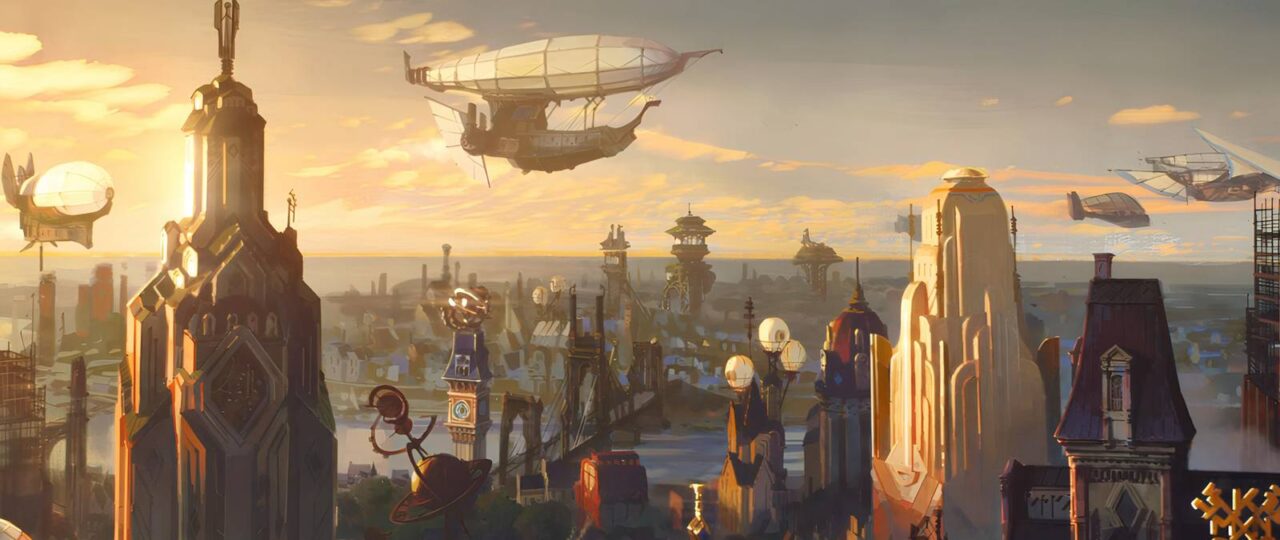
The Netflix show’s setting primarily features two distinct locations: Plitover and Zaun. Piltover is featured as the “City of Progress,” where the wealthy enjoy the pleasures of art and innovation in their Victorian-esque metropolis. Zaun, in contrast, is the “Undercity,” deprived of some of the basic human necessities and riddled with industrial pollution and poverty.
With this clear divide between the two locations, Arcane captures one essential steampunk theme that most additions to the subgenre forget. It shows how with rapid industrialization comes a wider gap between the rich and the poor. The people of Piltover experience new highs when a breakthrough technology called Hextech is invented.
Contrasting this, Zuan’s desperation manifests as “Shimmer,” a chemical substance that acts as both an addictive drug and a grotesque physical enhancer. Instead of inclining more towards sci-fi, Arcane brilliantly merges its steampunk aspects with fantasy. It treats magic in itself as a resource that can be measured and manipulated through science and engineering.
Arcane Is Visually Stunning & Tells A Complete Story
Produced by the French studio Fortiche, Arcane makes incredible use of animation to portray the stark difference between its two worlds. Piltover’s architecture is defined by bright sunlit backdrops with clean and light-shaded Victorian-era monuments. This is further complemented by orchestral scores in the background.
The Undercity, on the other hand, is filled with grime and rust, backed by post-rock grunge and electronic synth. These visuals and the parallel sound design ensure viewers completely immerse themselves in its steampunk drama. What further elevates its drama, however, is the show’s commitment to capturing the ethical consequences of rapid progress.
Each main character in Arcane, including Jinx, Caitlyn, Vi, Jayce, and Viktor, finds themselves on either side of the central conflict. Their stories either reflect the pragmatic reality of Hextech’s development or the idealist representation of how oppressive the overarching system truly is.
The Netflix steampunk series also perfectly wraps its run in just 18 episodes. Even though Arcane would have had more stories to tell in potential follow-up seasons, it keeps its narrative taut without overstaying its welcome. It is easily one of Netflix’s most well-rounded and near-perfect fantasy offerings.
Arcane is an animated series set in the League of Legends universe that explores the conflict between the affluent city of Piltover and the oppressed undercity of Zaun. Central to the story are two sisters whose allegiance to opposing sides of a technological and ideological war strains their bond.
Discover more from NAIRAVOICE.COM.NG
Subscribe to get the latest posts sent to your email.