
22 minutes agoShareSaveAdd as preferred on GoogleJessica Lane

 BBC News
Campaigners who want restrictions on the sale of alcohol through food delivery apps are working with the charity behind Dry January.
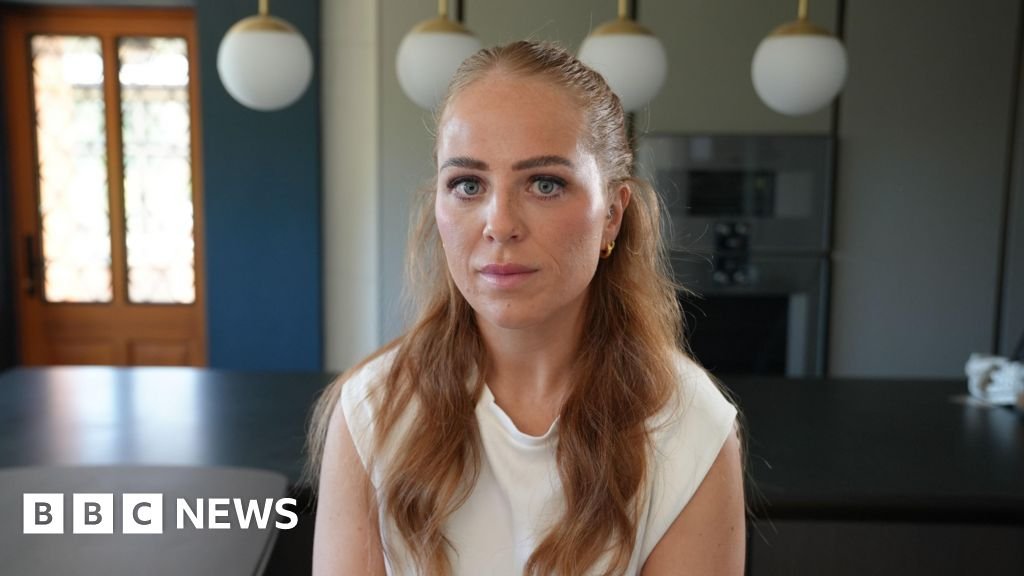
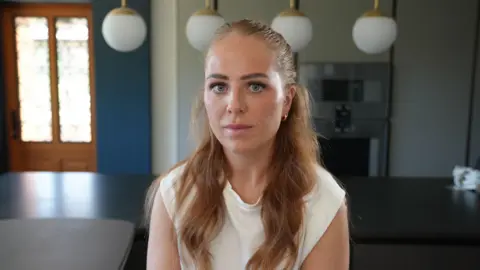
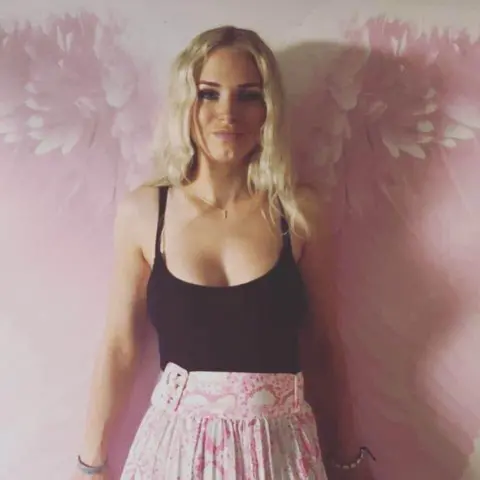
Alex Hughes, 31, started a petition calling for a ban following the death of her sister Zoe, who is thought to have suffered fatal injuries in a fall down stairs at home in Lincoln while under the influence of alcohol.
According to Alex, 35-year-old Zoe was spending between £1,000 and £1,500 a month on alcohol through Deliveroo, Just Eat and Uber Eats.
The companies say they operate within the law, are committed to responsible delivery and customer accounts can be suspended or blocked if concerns are raised.
However, Alcohol Change UK, the charity behind Dry January, is calling on the government to introduce more checks on people buying alcohol via delivery apps.
The government says it is looking at how licensing rules apply to rapid alcohol delivery services.
 Family handout
Alex says Zoe was “full of life” and “lived and breathed for her children”.
“It came as a bit of a shock to the family when we found out she had a drinking problem,” she explains.
“At first she was living with my parents who are in a rural part of Lincolnshire, so she had to walk to the shops to get a drink.
“But when she moved into her own place in a more urban area it spiralled.”
Alex says Zoe was drinking between five and seven bottles of wine, gin or vodka a day before her death in 2023.
She argues delivery apps made it easier for her to access alcohol.
“All she had to do was go on her phone, click a few buttons and it would be delivered in as quick as 20 minutes.”
An inquest ruled Zoe’s death was accidental, with the coroner concluding that “on the balance of probabilities”, she died as “a consequence of injuries arising from an unwitnessed fall whilst under the influence of alcohol”.
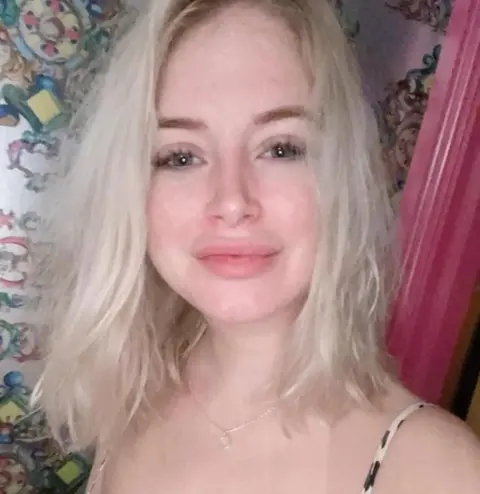 Family handout
Alex wants the sale of alcohol on apps to be banned or for the government to introduce safeguards to help vulnerable people.
“There needs to be a cap so you can only order so much in a 24-hour period and also a time stop.
“Zoe could order sometimes at six in the morning.”
She would also like to see a register similar to those used by gambling companies, where people who add their names are blocked from using apps.
The Licensing Act 2003 regulates the sale and supply of alcohol and it is already an offence to sell alcohol to someone who is drunk.
Delivery firms say they carry out age checks and drivers are instructed not to leave alcohol with people who appear to be drunk.
However, Joe Marley, the director of Alcohol Change UK, is calling on politicians to take another look at the regulations.
“We have the licensing act. It was created quite a long time ago and it hasn’t kept up with the reality on the ground,” he says.
The charity wants the government to reconsider delivery hours and make it easier for people to block their access to apps.
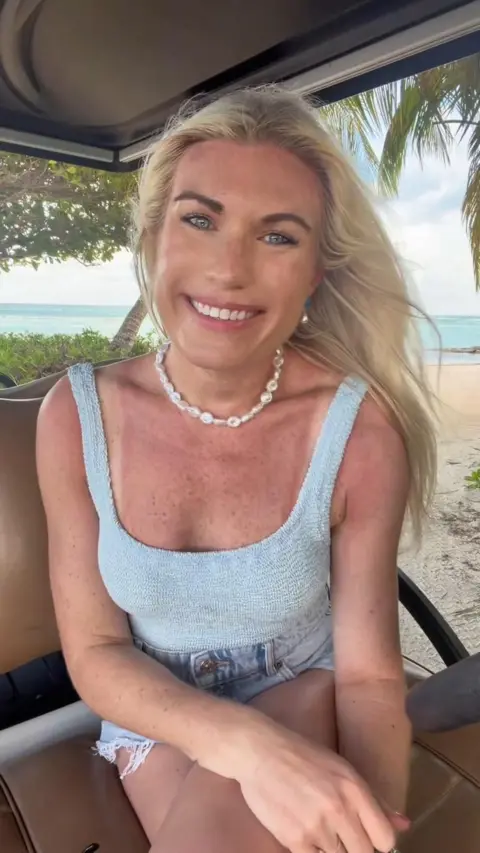 Hattie Underwood
Hattie Underwood, a 35-year-old recovering alcoholic from London, is a champion for Alcohol Change UK.
She says she used delivery apps when she was drinking.
“Psychologically they took all the barriers out of the way.
“There was a time when I had an excruciating stomach ulcer as a result of my drinking. I was in a lot of pain and was signed off work for a few weeks.
“I would use the apps to order alcohol to my door. I would set myself a time of 10am before I was going to drink and I’d never be able to wait that long.”
Daniel Dobbs, 39, a recovering alcoholic and coach for the Lincolnshire Recovery Partnership, says he has seen the damage alcohol can do to people’s lives.
“That’s not something I ever want to go back to,” he adds.
“As long as it doesn’t take away somebody’s right to choose, then I’m down for any kind of safeguarding measures that protect people who are already very vulnerable through addiction.”
A Deliveroo spokesperson said retailers selling alcohol on its platform “must adhere to the same licensing, marketing and regulatory restrictions as in-store” and riders were trained to conduct checks and refuse delivery “if a customer appears intoxicated”.
It also had “a specialist policy” to suspend accounts when legitimate welfare concerns were raised.
A spokesperson for Just Eat said the firm had “robust processes and policies” to ensure alcohol was delivered “legally and responsibly” and provided “extra support by blocking accounts or addresses”.
An Uber Eats spokesperson said deliveries required age and sobriety checks and customers could exclude themselves from alcohol deliveries. The firm had “dedicated processes” for people to request account blocks on alcohol sales.
A government spokesperson said: “We understand the concerns relating to rapid online alcohol delivery, which can lead to increased alcohol harm, and drinking issues going unseen.
“The government is looking at how licensing rules apply to rapid alcohol delivery services and are working with experts to ensure safeguards are effective.”
If you have been affected by any of the issues raised in this article, advice is available from the BBC’s Action Line.
Listen to highlights from Lincolnshire on BBC Sounds, watch the latest episode of Look North.
Download the BBC News app from the App Store for iPhone and iPad or Google Play for Android devices
‘I used delivery apps to hide the shame of alcoholism’
Deaths from alcohol at record high in England
‘I was a slave to the addiction’
Related internet links
Alcohol Change UK
NHS alcohol advice
AlcoholDeliverooLincolnJust Eat Takeaway
Discover more from NAIRAVOICE.COM.NG
Subscribe to get the latest posts sent to your email.