
When pressure hides potential
Despite good intentions, adults sometimes unintentionally make it more difficult to recognise children’s authentic academic strengths. High expectations, social comparisons and narrow definitions of success may overshadow individual learning differences that deserve careful attention.
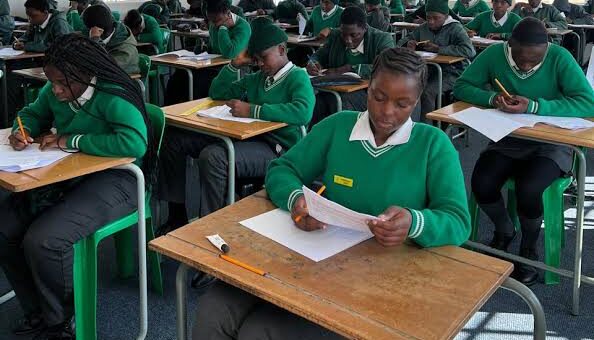
One common challenge involves excessive emphasis on examination performance. Standardised assessments remain valuable tools for measuring certain aspects of learning. However, they cannot evaluate every important ability children possess. Creativity, leadership, perseverance, communication, collaboration and practical problem-solving often receive limited attention within traditional testing systems. Children whose talents emerge most clearly through these qualities may therefore appear less capable than they truly are.
Comparisons among siblings or classmates create additional difficulties. Every child develops according to their own timetable and learning profile. Expecting identical strengths simply because children attend the same school or belong to the same family overlooks natural differences in personality, interests and cognitive development. Such comparisons may also reduce children’s confidence, making them less willing to explore subjects where they genuinely excel.
Furthermore, adults sometimes prioritise socially prestigious subjects while overlooking equally valuable strengths. Mathematics, sciences and English language understandably receive considerable attention because of their importance within educational systems. Nevertheless, children also benefit from developing excellence in history, literature, arts, technology, social sciences and numerous other fields contributing meaningfully to society. Limiting encouragement to only a few subjects risks discouraging talents that may later become significant academic or professional assets.
Fear of failure similarly affects children’s willingness to demonstrate authentic abilities. Learners who constantly worry about disappointing parents or teachers often choose familiar tasks rather than challenging themselves with new experiences. They become cautious learners focused primarily on avoiding mistakes instead of exploring interests. Over time, this fear may conceal strengths that require experimentation and confidence to emerge fully.
In addition, modern educational pressures sometimes leave little opportunity for exploration. Busy academic schedules, extra lessons and examination preparation consume significant portions of children’s time. While academic discipline remains important, children also require opportunities to read widely, participate in creative activities, conduct simple investigations and pursue personal interests. Such experiences frequently reveal strengths that structured classroom instruction alone might never uncover.
Technology presents both opportunities and challenges. Educational platforms provide access to diverse learning resources enabling children to explore interests independently. However, excessive screen time devoted primarily to passive entertainment may reduce opportunities for meaningful discovery. Parents therefore play an important role in guiding technology use towards activities encouraging curiosity, creativity and intellectual engagement.
Importantly, struggling in one subject should never define a child’s overall academic identity. Many accomplished professionals experienced difficulties in particular areas during childhood while demonstrating exceptional abilities elsewhere. Educational success rarely depends upon perfection across every subject. Rather, it develops through recognising strengths, addressing weaknesses constructively and maintaining confidence throughout the learning process.
Helping strengths become success
Once parents and teachers begin recognising children’s academic strengths, the next responsibility involves creating environments where these abilities can continue developing alongside balanced educational growth.
Encouragement represents one of the most powerful influences on children’s confidence. Genuine praise focused on effort, curiosity and improvement reinforces positive learning behaviours without creating unhealthy pressure. Rather than celebrating only high grades, adults should acknowledge thoughtful questions, creative solutions, persistence during difficult tasks and willingness to explore unfamiliar ideas. Such recognition communicates that learning extends beyond examination results.
Strong partnerships between parents and teachers further enhance children’s development. Teachers observe learners within structured academic settings, while parents witness behaviours across everyday family life. Sharing these observations provides richer understanding of children’s interests, motivations and emerging strengths. Regular communication helps identify patterns that might otherwise remain unnoticed.
Providing varied learning experiences also broadens opportunities for strengths to emerge. Educational trips, libraries, science clubs, debating societies, writing competitions, music programmes and practical projects expose children to different forms of learning. Even simple household activities such as cooking, gardening, budgeting or discussing current events encourage valuable cognitive skills while revealing individual preferences and abilities.
Reading deserves particular attention because it supports development across virtually every academic discipline. Children exposed to diverse books encounter new vocabulary, ideas and perspectives encouraging both knowledge acquisition and critical thinking. Reading widely also enables children to discover subjects naturally capturing their imagination, offering further clues about emerging academic interests.
Equally important is allowing children reasonable autonomy in their learning. As they mature, involving them in decisions about reading materials, research topics or extracurricular activities encourages ownership of their educational journeys. Children who feel trusted to pursue genuine interests often demonstrate greater motivation and sustained engagement.
Parents should likewise maintain balanced expectations. Supporting children’s strengths does not imply neglecting weaker subjects. Every learner requires foundational competence across essential academic areas. However, balanced education recognises that excellence often develops through building upon existing strengths while steadily improving weaker areas without excessive pressure or unrealistic comparisons.
Schools also contribute significantly by adopting broader approaches to recognising achievement. Celebrating creativity, leadership, collaboration, community service and innovation alongside examination success communicates that education values diverse forms of excellence. Such recognition encourages students to appreciate their unique contributions while respecting the different abilities of classmates.
Finally, patience remains essential. Children’s strengths rarely emerge fully overnight. Development occurs gradually through repeated opportunities, supportive relationships and consistent encouragement. Adults who remain attentive to children’s evolving interests rather than imposing predetermined expectations create conditions where authentic potential can flourish naturally.
Conclusion
Every child possesses unique academic strengths waiting to be recognised and nurtured. While report cards, examination scores and classroom assessments remain valuable indicators of progress, they represent only part of a much broader picture. Genuine academic potential often reveals itself through curiosity, enthusiasm, creativity, persistence and distinctive ways of engaging with learning that conventional assessments cannot fully measure.
Parents and teachers therefore share an important responsibility to look beyond grades when evaluating children’s abilities. Careful observation, meaningful conversations and willingness to appreciate different learning styles enable adults to identify strengths that may shape children’s confidence and future success. Encouraging these abilities early provides learners with strong foundations upon which broader academic achievement can develop.
As education continues adapting to the demands of an increasingly complex world, recognising individual strengths has become more important than ever. Society needs young people who think critically, communicate effectively, solve problems creatively and approach challenges with confidence. These qualities emerge most naturally when children feel understood, encouraged and supported in developing their authentic abilities rather than merely conforming to narrow definitions of academic excellence.
Ultimately, identifying a child’s true academic strength is not about predicting a future career or determining lifelong potential during early childhood. It is about understanding how each child learns best, what inspires genuine curiosity and where natural abilities begin to shine. When parents and teachers recognise these signs early and provide thoughtful encouragement, they do more than improve academic performance. They help children develop confidence in themselves, discover the joy of learning and build foundations for lifelong growth, achievement and fulfilment.
Discover more from NAIRAVOICE.COM.NG
Subscribe to get the latest posts sent to your email.