
After interviewing dozens of financially independent investors over the past five years, I’m convinced that one of the fastest ways to buy yourself more freedom — whether that means retiring early or simply gaining the option to stop working — is not to skimp out on coffee while meticulously tracking every dollar.
Laurie-Anne King, cofounder of the financial-literacy company Dow Janes, told me in 2022 that “earning money is one of the secret skills of people who are achieving financial freedom fast.” Rather than thinking, “Spend less so you can save more,” King and her cofounder, Britt Baker, challenge their audience to think: “Earn more so you can invest more.” Grant Sabatier, author of the bestselling book “Financial Freedom,” offers similar advice: “If you want to reach financial independence as quickly as possible, you’re going to need to up your side-hustle game.” Between 2010 and 2015, when Sabatier grew his net worth from $3 to more than $1 million, he did everything from pet-sitting and selling concert tickets to flipping vintage mopeds. “No job was too small,” he writes in his book.
The math checks out: If you earn more without significantly increasing your spending, you’ll have more money to save and invest — and that’s how you accelerate your financial goals.
Putting that idea into practice, however, is harder than it sounds.
Inspired by the people I write about, I’ve experimented with a few side hustles of my own, from low-cost projects such as selling clothes from my closet to a far more ambitious (and expensive) undertaking: launching an e-commerce business.
That business is now entering its third year.
My cofounder and I spent about $10,000 getting it off the ground, mostly on inventory, and it has yet to turn a profit.
Bringing our product — pickleball paddles — to life took months of back-and-forth with manufacturers in China and long waits for prototypes to cross the Pacific.
Amazon fees ate into our limited revenue and eventually prompted us to remove much of our inventory, which came with additional costs.
We also learned that online advertising is a complicated, pay-to-play system that can consume money without producing sales.
Building something that actually makes money is easier said than done.
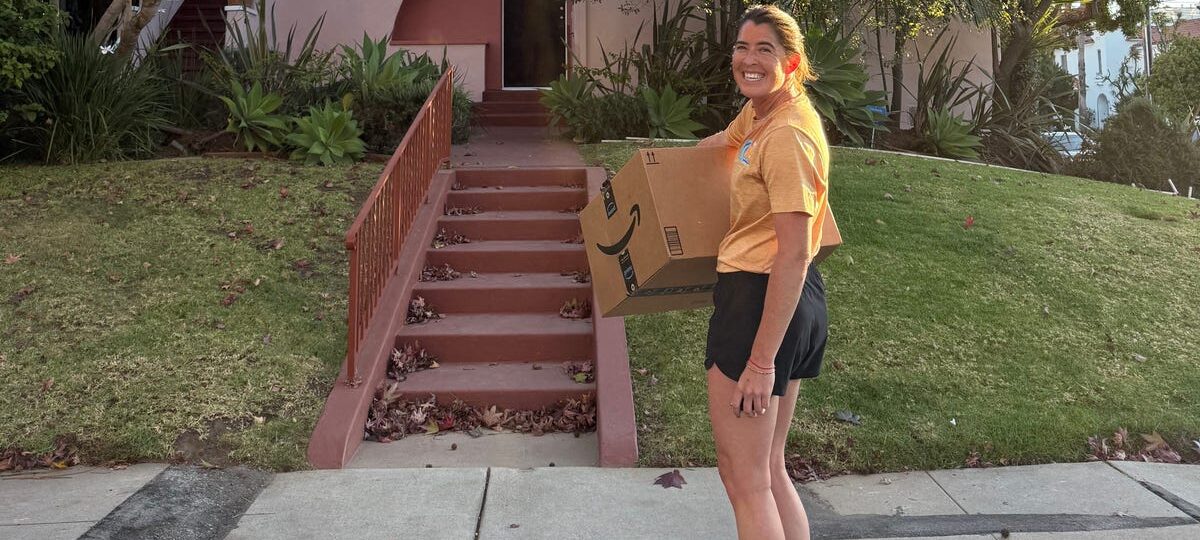
The side hustle I keep returning to is one I started as a teen, before I’d even heard the term “side hustle”: teaching tennis.
It’s a natural choice for someone who’s played the sport for three decades and whose most-played YouTube video is the 2008 Wimbledon Final.
It aligns with Baker’s advice to start with skills you already have. “There’s this Venn diagram way of thinking about it,” she said, “which is: What’s a skillset that you have that other people need that they’re willing to pay for?
If you can find something that fits those three circles, you can make money.” It is also a true hustle.
Teaching is a customer-facing job that requires energy and a lot of time on foot.
It’s the opposite of passive income.
Cody Berman, author of “Retire by 30” and a longtime side hustler, calls this a “type one” side hustle: Trading time for money.
That category can include online freelance work such as writing, editing videos or podcasts, building websites, or compiling email newsletters.
It can also include in-person work such as landscaping, driving for Uber, delivering groceries through Instacart, or completing jobs through other gig-economy platforms.
In my case, I earn $100 for every hour I spend on court.
The arrangement is simple and predictable — I teach a lesson, get paid — but it is not scalable, at least not in its current form.
The income stops when the lesson ends, and there are only so many hours I can teach in a week.
I’ve repeatedly stepped away from teaching (only to return to it) because the thing I ultimately want is more time — time to build something that could eventually earn money without requiring my presence every hour.
Berman calls that a “type two” side hustle: a scalable income stream that can continue generating revenue after much of the initial work is complete.
Examples include digital products, which generate the bulk of Berman’s income, as well as podcasts, YouTube channels, online courses, and other forms of content.
A creator might spend hours producing something once and then continue earning through sales, sponsorships, affiliate links, advertising, or other forms of monetization.
The appeal of a type-two side hustle is that income is not strictly tied to hours worked.
For Berman, those ventures have also been the most lucrative.
The trade-off is that they can take months or years to produce meaningful income — and some never do. “You’re not going to start a YouTube channel or create a digital product today and make money with either of those things tomorrow,” he said. “But in six months’ time, those things might start making serious income.” Peak Pickleball may eventually become that kind of business for me.
For now, however, it is still consuming money rather than producing it.
Until the paddles pay me, the tennis lessons will.
Discover more from NAIRAVOICE.COM.NG
Subscribe to get the latest posts sent to your email.