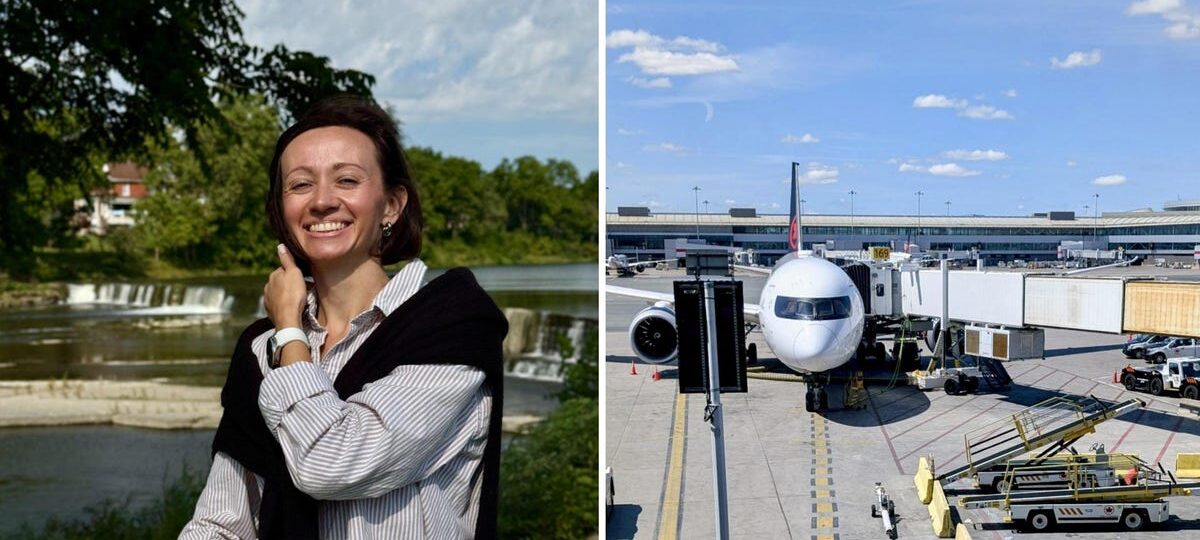
Before I stepped away from my flight attendant job after nearly 10 years in the sky, I picked up a lot of tricks for making long-haul travel more bearable.
Now, as a passenger who regularly flies economy, I stick to the same system every time.
From packing multiple outfits to deplaning last, here are my 6 dos and don’ts for long flights.
Some people want to spend as little time as possible at airports, but I prefer to arrive super early to take advantage of my credit card’s lounge benefits for a mental preflight.
Having that quiet, unhurried time allows me to get into the right headspace before stepping into a metal tube for hours on end.
And right before boarding begins, I head to the restroom and change out of my street clothes for a soft, breathable tracksuit so my body can relax right away.
Then, right before landing, I pop into the lavatory to change back into my original outfit.
That quick final wardrobe change acts as a complete mental reset — it switches my brain into “arrival mode,” so I step off the aircraft feeling fresh, organized, and sharp.
I don’t want to linger in the aisle during boarding, so I split my packing into two categories: my main carry-on suitcase stays overhead until after landing, while a compact pouch under the seat holds my earplugs, snacks, cables, a change of clothes, and moisturizer.
But my favorite habit for long-haul comfort is tucking a small plastic trash bag into my seat pocket.
Flying with my family always turns into a quiet contest of how fast snack wrappers, empty bottles, and used wipes can take over our row.
Bringing a small trash bag keeps everything in one place, so we aren’t stuck spending a long flight sitting in a pile of clutter.
Old habits run deep, so I always book an aisle seat — mostly because my flight attendant brain still feels a deep need to be within quick reach of an emergency exit.
It’s an instinct I can’t shake from years of safety drills.
My flight attendant days also guide how I interact with the crew.
I remember answering endless call lights for simple requests during busy meal services or safety checks, so I make it a point, as a passenger, to save the overhead button for urgent needs or when I can’t safely wait.
Instead, I wait until the crew isn’t mid-service and it’s safe to move around the cabin to stretch my legs or walk to the galley for more water.
And when nature calls, I time my trip using operational cues: I find the lavatories are often cleanest and have the shortest queues right before the galley carts head out for meal service or halfway through trash collection.
As soon as I sit down on the plane, I adjust my watch and phone to my destination’s local time.
If it’s 2 a.m. there, I try to rest right away, even if it’s bright outside or meal service carts are rolling down the aisle.
I used to take sleep aids like melatonin, but stopped because it often left me groggy after landing.
Now I rely on a light-blocking eye mask, magnesium, which I find helps me unwind, and mental timing.
A hoodie hood and a standard airline pillow work for me.
What I’ve found works best for sleeping upright in economy is using the headrest, reclining slightly, supporting my lower back with a rolled sweater, and keeping my seatbelt fastened so flight attendants don’t have to wake me during turbulence.
And I don’t recommend trying TikTok sleep hacks without first checking the airline’s rules: those viral Amazon foot hammocks, for example, are banned by some carriers because they attach to the tray tables and could hinder evacuations.
I avoid tap water, coffee, and tea on flights.
Aircraft water is regulated and often safe, but a January 2026 study by the Center for Food as Medicine & Longevity, a nonprofit, found that water quality and tank maintenance can vary by airline.
So, personally, I prefer to bring my own sealed water bottle.
I also add electrolytes to my bottled water because I find they help me feel better in the dry cabin air, which can otherwise leave me with post-flight headaches and exhaustion.
And I completely skip the late-night hot meal service on overnight flights.
For me, digesting a heavy dinner at 30,000 feet while sitting leaves me bloated and makes it harder to sleep.
Instead, I always pack a small tote bag full of healthy, high-protein snacks from home — like nuts, seeds, and berries — to keep me nourished without feeling heavy.
The exact moment the plane touches down and the seatbelt sign turns off, people often leap out of their seats and stand, squeezed shoulder to shoulder in the aisle.
I do the exact opposite: I sit back, let the initial crowd filter out, and take my time.
I use those extra quiet minutes to check every seat pocket, the floor, and the overhead bin above me.
In my crew days, I handled plenty of forgotten items, and the process of getting them back is nowhere near as quick as people think.
Once you step off the plane, you usually can’t simply walk back on to grab a lost phone or passport.
In many cases, the crew has to log every item on an official form, hand it over to ground staff, and wait for it to be processed through airport lost and found.
Spending a few extra seconds taking inventory can save hours of bureaucratic panic later.
Discover more from NAIRAVOICE.COM.NG
Subscribe to get the latest posts sent to your email.