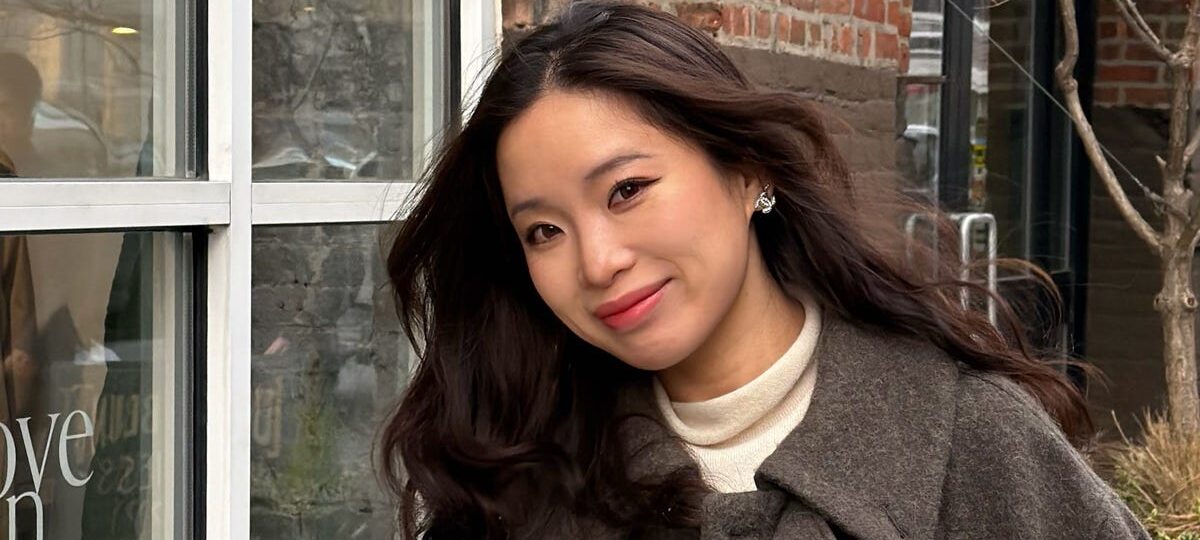
This as-told-to essay is based on a conversation with Julie Zhu, a 29-year-old entrepreneur in New York City who left Apple last year to focus on her startup, Odd One In.
The following has been edited for length and clarity.
A few years ago, I started considering leaving my job at Apple and making the leap into entrepreneurship.
A lot of people around me thought the decision was obvious: I should just quit.
There were a few factors nudging me out the door.
For one, I had wanted to become a founder since I was 18.
I’d also developed a sort of love-hate relationship with Apple, where I began working in 2022.
I was grateful for what I learned there, but I felt like it was a high-pressure, high-stress environment — and I also struggled with imposter syndrome.
I wanted to build something where I had more of a say and could make more decisions.
When I sought advice from people I knew, including those in the startup community, about 95% told me, “Julie, if you’re not happy at Apple, you should just quit.” They said I had the perfect résumé and that venture capital firms would likely be willing to give me money — or at least talk to me.
They thought it was fine that I hadn’t fully figured out my business idea yet.
I realized I didn’t have to follow the path that worked for other people.
Quitting before I felt prepared wasn’t the right decision for me.
Business Insider is speaking with workers who’ve found themselves at a corporate crossroads — whether due to a layoff, resignation, job search, or shifting workplace expectations.
Share your story by filling out this form.
I think a lot of people who told me to quit gave me that advice because they’d found success in the startup world, which made it easier for them to tell me to take the risk.
The truth is no one knows what it’s like to walk in your shoes — or what decision is right for you.
For me, completing a checklist I’d given myself before leaving Apple was really important.
That included having a tangible idea I believed in, a team, and enough of a foundation to feel like I wasn’t jumping completely blind.
I wanted to make sure I had about three to five years of runway across my assets and savings, including my Apple stock.
My parents are entrepreneurs, and I wanted them to understand why I was giving up a comfortable corporate job, particularly when layoffs were happening across the tech industry.
As I reflected on the best course of action, I talked everything through with my therapist.
I wanted to be rational and logical about my decision.
By late 2024, some of those pieces were starting to come together.
I found a cofounder who was already a friend of mine.
Having that existing friendship and trust made it much easier for us to start building something together.
From there, we started developing an idea I’d had for Odd One In, an artist collectible company.
We officially started the business in December 2024, but I wasn’t ready to leave Apple.
Before incorporating Odd One In, I checked with Apple’s business conduct team to make sure I could work on my company while employed there, and started building it outside my Apple work hours.
For the next eight months, that meant structuring nearly my entire day around my two jobs.
While building my startup and working full-time at Apple, I would wake up around 5:30 a.m. and go to the gym — usually doing some cardio to wake myself up and stay healthy.
Then I’d work on Odd One In from around 6 to 8 a.m.
After that, I’d head to Apple for my day job.
I’d typically get home around 5 p.m., eat, and start working on the startup again.
I’d often work until around 10:30 p.m., then go to sleep and do it all over again the next day.
On a typical weekday, I was spending roughly 13 to 14 hours working across Apple and the startup.
It was a demanding schedule, but I had a plan for my business with specific milestones I wanted to achieve.
That made the extra work feel intentional, rather than like I was just “working all the time.” By August 2025, juggling both my Apple job and Odd One In had become too much, in part because my business was demanding more of my time.
I also didn’t think continuing was fair to my team at Apple.
I’d found something I was more passionate about, and many of the pieces I’d wanted in place before quitting had come together.
This included getting my parents’ support for my decision to leave Apple.
It took time for them to understand why the move was important to me, but once they understood my reasoning and saw real traction from what we were building, they became much more supportive.
Overall, I finally felt confident that after four years with the company, it was the right time to move on.
Since leaving, being a founder has been humbling, but it’s also given me confidence.
At Apple, I sometimes felt like a small part of a huge company.
Building something from zero to one has shown me I’m capable of doing much more.
Odd One In generated close to six figures in annual revenue last year, but I’m not paying myself a salary yet because we’re reinvesting the money to grow the business, including production, warehousing, paying artists, and other expenses.
We’re completely bootstrapped: We haven’t raised any outside funding and launched with our own savings.
To pay my personal expenses, I’ve relied on the savings I accumulated while working at Apple and earlier in my career.
Looking back, I’m glad I didn’t follow the advice to quit before I was comfortable.
There’s a romanticized idea in the startup world that you have to take the leap and figure everything out afterward.
For me, spending eight months doing both made me feel confident in my decision to go all in.
Reach out to the reporter via email at jzinkula@businessinsider.com, or via Signal at jzinkula.29.
Discover more from NAIRAVOICE.COM.NG
Subscribe to get the latest posts sent to your email.