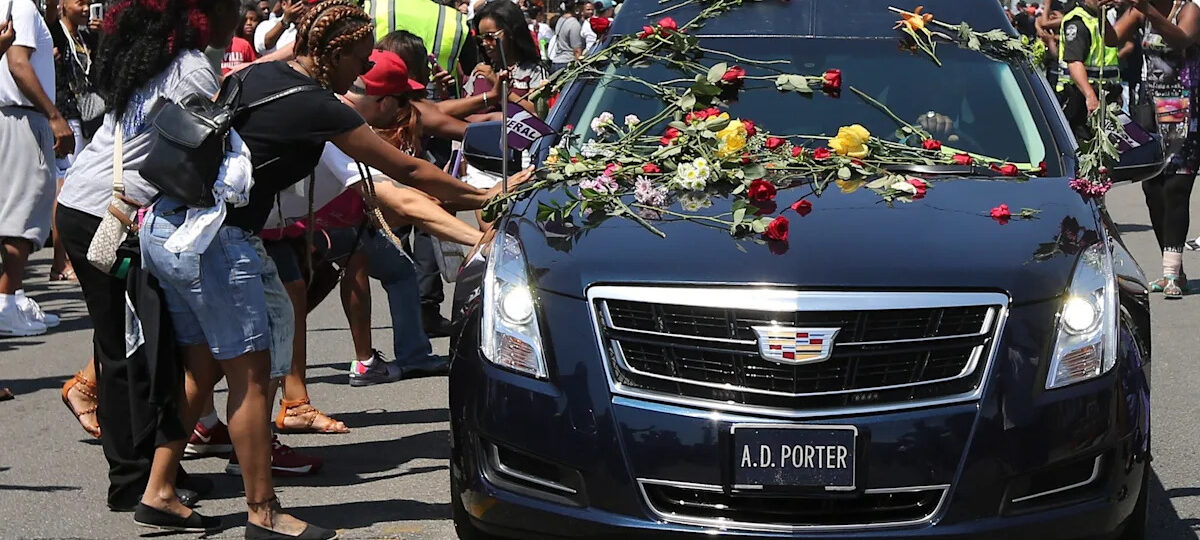
Ten years ago, the world turned its eyes to Louisville as it celebrated the life of its favorite son, Muhammad Ali. His memory still reverberates in the city today.
Payton Titus is The Courier Journal‘s college sports enterprise reporter. Her email address is ptitus@gannett.com — reach out any time with tips, feedback or thoughts. You can also sign up for her weekly newsletter, Full-court Press, for a behind-the-scenes look at how college sports’ biggest stories are impacting Louisville and Kentucky athletics.
In the meantime, here’s a closer look at how her story about the 10th anniversary of Ali’s death came together:
The challenge that comes with writing about Muhammad Ali is that everything has already been said. By people who are way better at saying things than I am. So just as when I wrote about him in October for the 50th anniversary of his third fight with Joe Frazier, I tried to think of how I could move the conversation around Ali forward with this story.
And I think the easiest way to do that is by drawing parallels between what Ali went through and contemporary happenings. Unfortunately, there’s a lot to draw on today as far as backward progress America has made over the last decade or so. The Voting Rights Act was gutted recently, and state legislators are using that development to disenfranchise Black voters. Islamophobia is on the rise and recently manifested in the killing of three people at an Islamic center in California.
These are things Muhammad Ali used his platform in life to disavow. What could we as a city, a country, a world, take from him in this moment to turn things around? That was what I wanted to get at with this story.
I just consumed as much as I could. I read tons of stories (from Ali’s life, his death and current headlines), watched Ali’s public funeral service, talked to folks about where the best place to take this story would be.
I went into the reporting process not really knowing what I wanted to say other than avoiding a regurgitation of the story I wrote in October or Ali’s Wikipedia page. So I tried to let people past and present tell me.
It’s really easy to feel lost and hopeless living in the world today. A lot of people have fewer rights now than on the day they were born. But when you see someone like Muhammad Ali — when you read his story, see what progress he was part of and remember that he was made by the place you are now (that being Louisville) — maybe you’ll feel a little better about what lies ahead. Maybe you’ll be more confident that the fight in front of us isn’t as insurmountable as it may seem.
That’s what I hope people take from this story.
Reach college sports enterprise reporter Payton Titus at ptitus@gannett.com and follow her on X @petitus25. Subscribe to her “Full-court Press” newsletter How our story on Muhammad Ali for a behind-the-scenes look at how college sports’ biggest stories are impacting Louisville and Kentucky athletics.
This article originally appeared on Louisville Courier Journal: Muhammad Ali still inspiring Louisville 10 years after his death
Discover more from NAIRAVOICE.COM.NG
Subscribe to get the latest posts sent to your email.