

Economists and financial analysts have offered differing assessments of President Bola Ahmed Tinubu’s economic reforms amid an intensifying debate over their impact on Nigeria’s economy and the welfare of citizens.
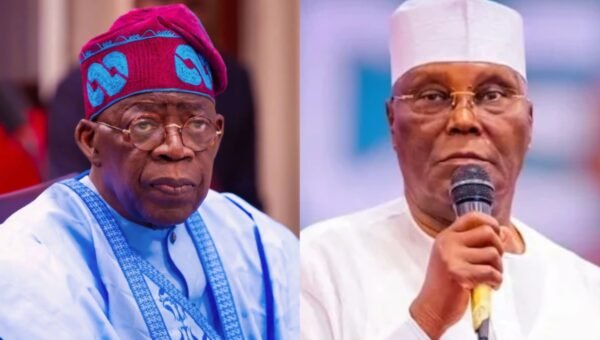
DAILY POST reports that former Vice President and presidential candidate of the African Democratic Congress, ADC, Atiku Abubakar, has consistently argued that Tinubu’s economic policies have worsened the living conditions of Nigerians.
Atiku based his criticism on the rising cost of living and the economic hardship facing millions of Nigerians.
According to him, Tinubu’s economic policies have produced results only on paper without improving the daily lives of ordinary Nigerians.
However, the Tinubu administration has maintained that reforms such as the removal of fuel subsidy, foreign exchange liberalisation, tax reforms, and other fiscal measures have helped revive the Nigerian economy.
The government has pointed to improvements in Gross Domestic Product, GDP, increased revenue allocation to the three tiers of government, and a better debt service-to-revenue ratio as evidence that the reforms are yielding results.
As the exchange of criticisms between Tinubu and Atiku continues ahead of the 2027 general election, economists have weighed in on the effectiveness of the administration’s economic policies.
Godwin Oyedokun, Professor of Accounting and Finance at Lead City University, and Dr.
Okechukwu Unegbu, former President of the Chartered Institute of Bankers of Nigeria, CIBN, presented differing views on Tinubu’s reforms.
Oyedokun said President Tinubu’s economic reforms deserve a balanced assessment.
According to him, while macroeconomic indicators suggest the reforms are producing positive results, many Nigerians have yet to experience their benefits. “The reforms are bold and address longstanding structural challenges, including fuel subsidy removal, foreign exchange liberalisation and fiscal reforms. “From a policy perspective, they represent necessary steps toward a more sustainable economy. “However, their implementation has imposed significant short-term hardships on many Nigerians through higher inflation, rising living costs, and reduced purchasing power. “While some macroeconomic indicators show signs of improvement, many citizens are yet to feel these benefits in their daily lives. “Overall, I would rate the reforms 7 out of 10.
Their ultimate success will depend on whether the government can translate macroeconomic gains into tangible improvements in jobs, incomes, and the standard of living before the next general election,” he told DAILY POST on Monday in an interview.
On the other hand, Unegbu gave the administration a low rating, arguing that the reforms have yet to positively impact the lives of Nigerians. “Though some of the reforms are good, implementation has not been adequately done. “I will rate him below 30 percent because despite the country’s GDP rise, you cannot trace that to the marketplace and the life of ordinary Nigerians,” he said.
DAILY POST reports that a financial analyst, Kalu Aja had earlier described the removal of fuel subsidy and the floating of the naira against the dollar as sound policy decisions, but criticised the government for failing to follow through with effective implementation.
According to the National Bureau of Statistics, Nigeria’s inflation rate stood at 15.91 percent in June 2026.
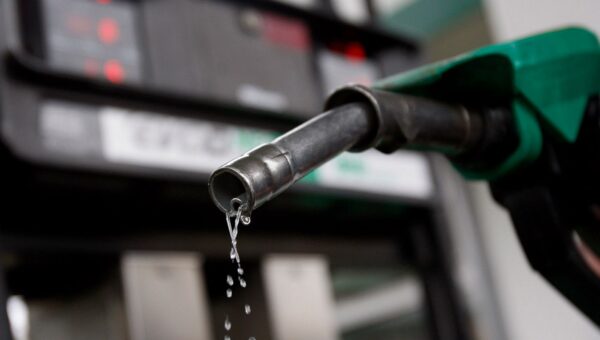
Meanwhile, the naira appreciated to N1,364.83 per dollar at the official foreign exchange market on Monday, August 3, while petrol sold for between N1,265 and N1,310 per litre in Abuja.
Discover more from NAIRAVOICE.COM.NG
Subscribe to get the latest posts sent to your email.