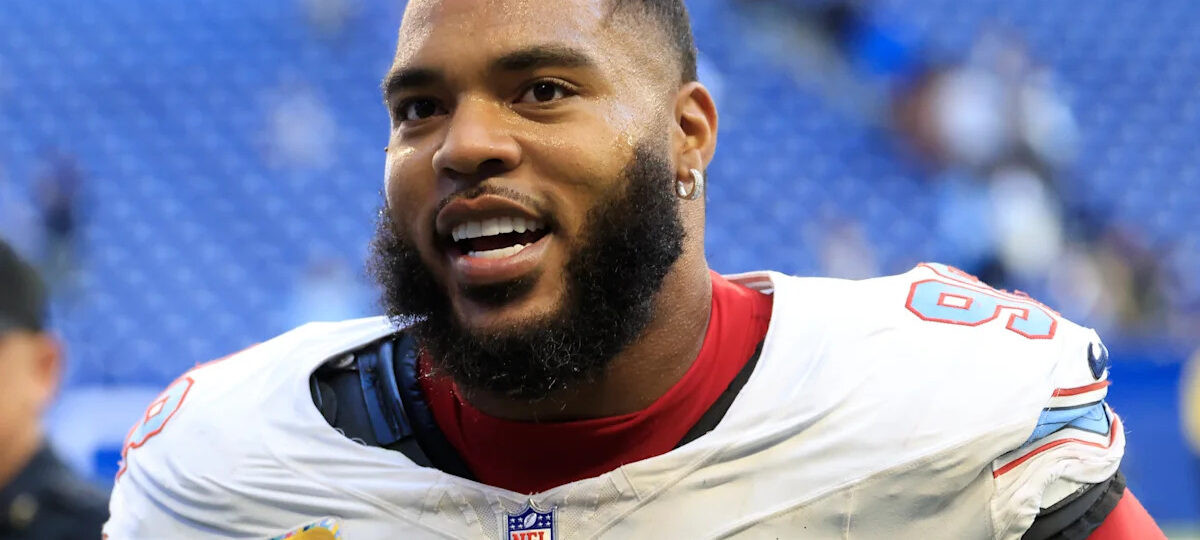
The Bears reportedly will send first-round picks in 2027 and 2028, along with a fourth-round pick in 2027, to the Tennessee Titans for Simmons and a 2028 fifth-rounder.
Simmons, 29, is a four-time Pro Bowl selection and is coming off a first-team All-Pro season in 2025, earning him a three-year, $105.8 million extension in the offseason.
This deal significantly alters the paths for both franchises in the short and long terms. Who got the better end of the trade? Let’s dive into the details.
Bears take big swing for the fences, but at a high cost
The Bears appeared serious about upgrading their talent level prior to the trade deadline, with reported interest in the Colts’ DeForest Buckner prior to him being traded to the 49ers. With the Simmons deal, the Bears made an even bigger plunge – and the price tag reflected that.
By sending their next two first-round picks and a fourth-rounder next year, the Bears are shipping out major assets the next two years. This trade sends a clear signal that the Bears are going for it all this season.
Simmons remains in the peak of his career, having just turned 29 at the start of training camp, and should have several peak years remaining. He’s played a whopping 425 of the Titans’ 490 defensive snaps (86.7%), which is just about as high a percentage as you’ll see for an interior player.
The Titans used him as a one-gap penetrator but is capable of lining up at just about any technique up front. He’s a high-motor rusher and an elite run stopper who still demands and draws double teams at a high rate. In his Week 6 game against the Colts, Simmons faced multiple blockers often yet finished with a game-high seven pressures.
This should be a huge addition for Dennis Allen’s front, which has been undermanned. Grady Jarrett, Neville Gallimore and Kentavius Street have taken the majority of the interior snaps, with rookie Jordan van den Berg also filling in. The results have been mediocre.
The Bears’ defensive rankings might look impressive on the surface (eighth in yards allowed, 10th in points), but on a per-play basis, they’re ranked close to the bottom in several categories. What has saved them is an offense that’s possessing the ball for an average of 35:30 – more than three minutes per game ahead of the next-closest team.
Chicago’s schedule is brutal down the stretch, and they’re going to face some impressive offenses, including two games left vs. the Lions, plus tough tests against the Jaguars, Bills and others. Simmons and some other defensive reinforcements might be enough to stabilize things up front.
The Bears recently got Montez Sweat back from suspension, and he’ll certainly benefit from Simmons’ arrival. It’s a significant stretch for Sweat, who has a major cap hit next season and must finish strong to prove his value. The team also got Shemar Turner back recently and figures to get Dayo Odeyingbo back eventually. With a full cast, this line could turn from a below-average group on the whole to a possible team strength.
Value-wise, this is pretty close to as much compensation as you’ll see moved for a defensive player. But if the Bears make a Super Bowl run, the price very well could make the move a smart one.
Grade: B
Titans gain terrific draft value for Simmons
It’s never easy to deal away an elite talent such as Simmons, especially for a team like Tennessee, which has only so many high-value players. There’s a reason the Titans paid him handsomely in the offseason: Simmons is an elite-level defender coming off a career year.
He’s also played well amid the Titans’ struggles this season, in spite of extra blocking attention on many snaps. Offenses came into most games against them with a plan for Simmons. Now that Titans are losing that, which has to be a blow to defensive-minded head coach Robert Saleh.
But assuming Saleh is back next season, the Titans will have vast resources to use on upgrading the roster. They’re 1-6 and headed toward a top-10 (and likely top-five pick next spring). The Bears pick is expected to be lower, likely in the bottom third of Round 1, but they will now have six choices in the first four rounds and ample flexibility to target whatever they want.
With Cam Ward off to another uneven start, that could even include quarterback – this season or next. Landing the 2028 first-rounder as well gives the Titans a two-years window with major assets to protect themselves in case Ward isn’t the QB they thought he was when they drafted him first overall. If he does pan out, those picks can obviously be allocated to other spots, including to a defense that just lost a major enforcer.
It likely would have been too hard for GM Mike Borgonzi to turn down this offer. He likely had multiple teams bidding and was able to get the Bears up to the price level they were comfortable with. Adding a fourth-rounder in 2027 for a 2028 fifth was a nice little sweetener on top.
The Titans are facing a multi-year rebuild, and this was the best way to help starting towards that effort. They have more needs today than they did yesterday, and picks are merely lottery tickets, but this felt like a deal Borgonzi had to make.
Grade: A-
Discover more from NAIRAVOICE.COM.NG
Subscribe to get the latest posts sent to your email.