

The duo launched Furientis after realizing the U.S. military is facing a severe shortage of “exquisite” missiles, which can cost around $3 million each, to counter inexpensive adversary threats, Franzen told TechCrunch.
According to Franzen, the U.S. Navy receives a mere 300 to 500 interceptor missiles annually, compared to China, which claims a production rate of 3,000 anti-ship cruise missiles a month.
“We’re being outproduced by a factor of 100 plus,” he said. “That is why we started the company.”
Furientis is not aiming to match the performance of best-in-class missile interceptors; instead, it is designing and manufacturing its systems so they can be assembled quickly from readily available components. As a result, each unit costs a fraction of legacy interceptors, a compelling value proposition for a Pentagon desperate to scale inventory within strict budget limits.
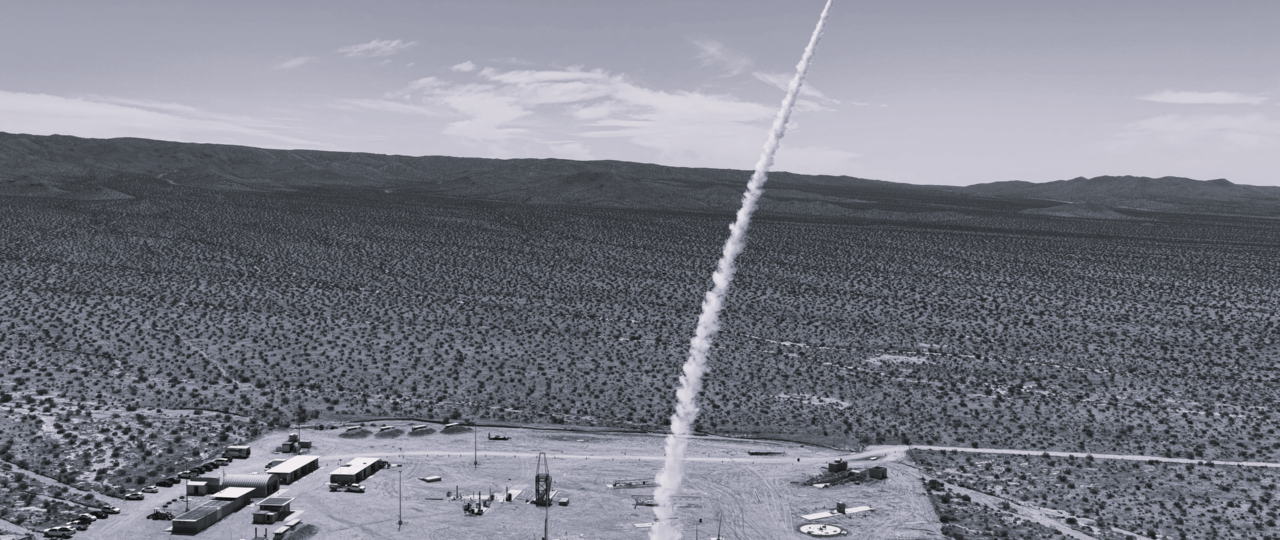
Unlike traditional defense primes such as Raytheon and Lockheed Martin, which are bogged down by long design cycles, Furientis has been testing its missiles in the field on a bi-weekly basis. The startup’s ultimate goal is to manufacture 1,000 systems a year in each factory. But for now, the young company is working out of its facility in Los Angeles, and taking its prototypes for trial launches to White Sands, New Mexico.
Given the need, Furientis is not the only company working on helping the government restock its stockpiles. Franzen said that larger defense startups like Anduril, Castelion, and Shield AI are also racing to build mass-produced interceptors, while traditional primes scramble to modernize their own manufacturing cycles.
Benchmark’s Puttagunta is not fazed by the seemingly crowded space. “I think there’s opportunity for lots more companies in this sector,” he said.
Discover more from NAIRAVOICE.COM.NG
Subscribe to get the latest posts sent to your email.