- Patient improves as DG warns against delayed precautions
- Rivers suspected case tests negative
By Chioma Obinna & Chidinma Chukwu
The Nigeria Centre for Disease Control and Prevention (NCDC) has identified 53 contacts of Nigeria’s confirmed Ebola patient for follow-up and directed hospitals nationwide to promptly isolate suspected cases without waiting for laboratory confirmation, as authorities intensify efforts to contain the outbreak.
The Director-General of NCDC, Dr Jide Idris, gave the directive following confirmation of Ebola Disease caused by the Bundibugyo virus in the Federal Capital Territory, FCT, on October 20, warning that prompt identification of suspected cases and strict infection prevention measures were critical to protecting healthcare workers and preventing further transmission.
The patient, a 42-year-old woman who returned to Nigeria from Uganda through Addis Ababa on October 3, was reported to have improved remarkably while receiving care in isolation, according to the NCDC’s Ebola Disease Situation Report dated October 24.
The 53 contacts identified by the response team include healthcare workers, domestic staff and the patient’s spouse. They have been categorised and are being followed up, with monitoring to continue for 21 days after their last possible exposure.
The NCDC said contact tracing remained a priority in the response, as public health teams worked to identify and monitor people who may have been exposed to the confirmed case.
Idris said the detection of the case demonstrated the importance of surveillance systems and the vigilance of healthcare workers.
“The detection of this case demonstrates the importance of the surveillance systems we have continued to strengthen over the years,” he said.
He stressed that hospitals must not wait for laboratory confirmation before taking precautions when Ebola is suspected.
“Any suspected case must be promptly separated from other patients and reported to the relevant public health authorities. Healthcare workers should not wait for laboratory confirmation before taking appropriate precautions,” the NCDC boss said.
He also emphasised the need to protect health workers, who are at risk of exposure when suspected cases are not promptly recognised and managed.
“Protecting healthcare workers is essential to protecting the communities they serve,” Idris said.
The confirmed case followed an alert from a private health facility on October 19. According to the situation report, the woman developed symptoms on October 7, four days after arriving in Nigeria.
Her symptoms included fever, diarrhoea, generalised body aches and sore throat. She presented at a private health facility on October 10 and was admitted to another private facility on October 11. The NCDC was notified on October 19, and laboratory testing confirmed the infection the following day.
No bleeding was reported in the case details contained in the situation report.
Following confirmation, the NCDC activated its national incident management system at the highest level, with response activities coordinated through the Emergency Operations Centre in collaboration with the Federal Ministry of Health and Social Welfare, FCT authorities and partners.
The response includes surveillance, contact tracing, laboratory investigations, infection prevention and control, risk communication and measures to strengthen preparedness across health facilities.
The agency said hospitals should maintain effective screening and triage systems, promptly separate suspected cases from other patients, notify public health authorities and apply appropriate infection prevention and control precautions.
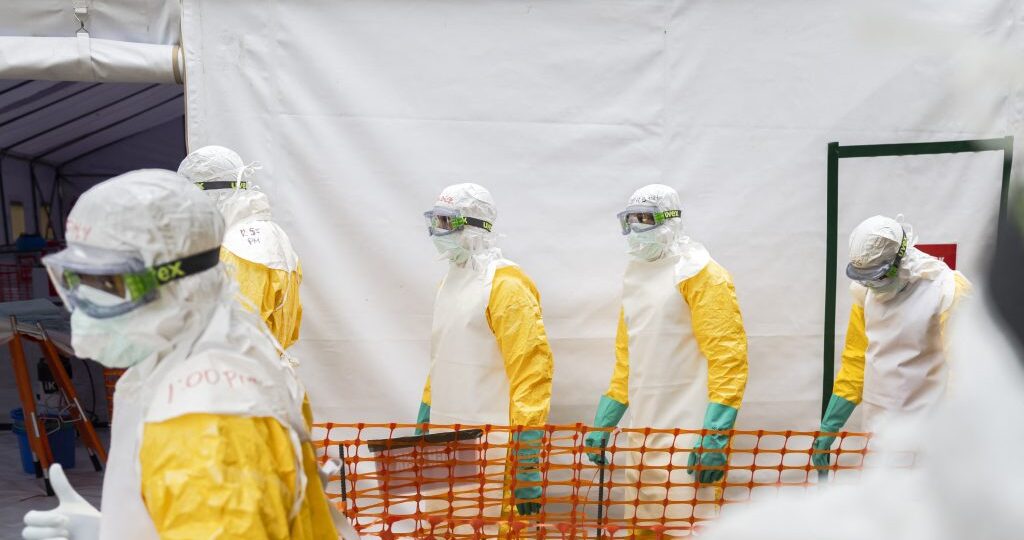
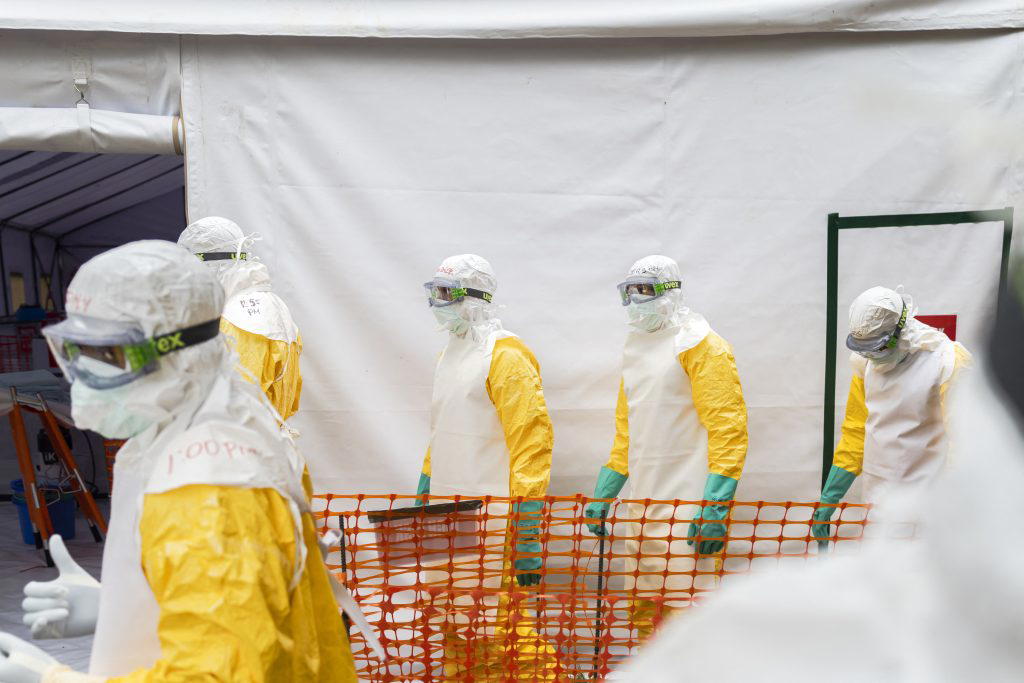
These measures include hand hygiene, environmental cleaning, injection safety, safe handling of sharps, proper waste management and the appropriate use of personal protective equipment.
The NCDC’s warning is directed at preventing delays that could expose other patients, healthcare workers and caregivers before a suspected infection is recognised and the necessary precautions are implemented.
In a related development, a suspected Ebola case reported in Rivers State on October 23 tested negative, according to the NCDC’s situation report.
The negative result meant the Rivers alert had not resulted in another confirmed case in the report. However, surveillance and investigation of suspected cases remain important components of the response.
The NCDC also emphasised the importance of cooperation from people identified as contacts, cautioning against stigma and misinformation.
“Being identified as a contact does not mean that you have Ebola,” Idris said.
The agency urged the public to rely on official information and cooperate with public health teams carrying out contact tracing and follow-up.
Idris warned that misinformation could undermine containment efforts by creating fear and discouraging people from reporting symptoms.
“False information can create fear, discourage people from reporting symptoms and undermine the cooperation essential to stopping transmission,” he said.
He recalled Nigeria’s experience in containing the 2014 Ebola outbreak, noting that lessons from that response were informing current preparedness and containment efforts.
As part of investigations into the confirmed case, genomic sequencing was completed by the NCDC’s National Reference Laboratory and the African Centre of Excellence for Genomics of Infectious Diseases.
The sequencing formed part of the laboratory work being undertaken alongside contact tracing and other response activities.
The NCDC said prompt reporting of suspected cases, effective surveillance, timely isolation and strict infection prevention measures remained central to the effort to contain the confirmed case and detect any further infections.
The agency’s directive to hospitals is that suspected cases must be separated from other patients and reported promptly, with protective measures implemented before laboratory results are available.
Idris said protecting healthcare workers and maintaining public cooperation were essential to the response, as authorities continued to monitor contacts and strengthen measures aimed at preventing further transmission.
END
Discover more from NAIRAVOICE.COM.NG
Subscribe to get the latest posts sent to your email.