Benue State Ministry of Health and Human Services has intensified disease surveillance and emergency preparedness as diphtheria cases continue to increase in different parts of the country.
The Commissioner for Health and Human Services, Dr Paul Ogwuche, disclosed this to journalists in Makurdi, stating that although Benue had not recorded any confirmed case of diphtheria, the rise in infections nationwide required the state to remain on high alert.
Ogwuche said the frequent movement of people between Benue and other states, particularly neighbouring Nasarawa State, had made it necessary for the government to strengthen measures aimed at detecting and containing any potential outbreak.
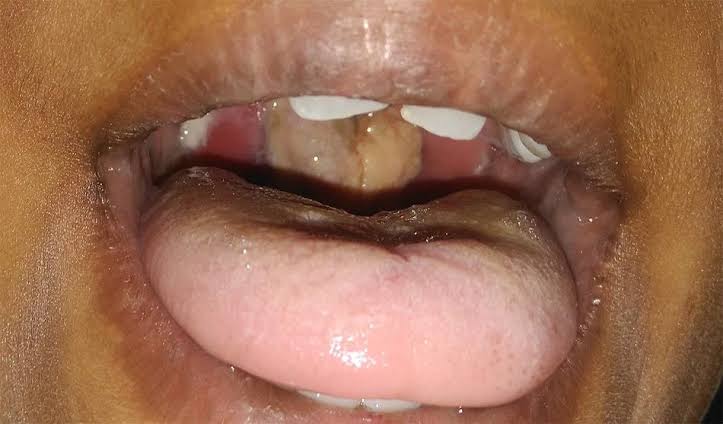
He explained that diphtheria is a serious and highly contagious bacterial disease caused by Corynebacterium diphtheriae, which mainly affects the nose and throat.
According to him, the infection can be transmitted through respiratory droplets released when an infected person coughs or sneezes, with crowded settings increasing the risk of transmission.
The commissioner disclosed that the ministry had activated its epidemiological and public health emergency unit to ensure immediate response to any suspected or confirmed case of the disease.
He added that immunisation activities had also been reinforced across the state’s 23 local government areas as part of efforts to prevent the introduction and spread of diphtheria.
Ogwuche noted that areas with low vaccination coverage were more vulnerable to diphtheria outbreaks, stressing that routine immunisation remained an important preventive measure.
He called on parents and caregivers to ensure that children receive all vaccines recommended under the routine immunisation programme.
The commissioner also urged parents to seek medical attention without delay if their children develop symptoms including fever or difficulty swallowing.
Ogwuche assured residents that the ministry would continue monitoring developments within and outside the state, while taking appropriate steps to protect the population from a possible outbreak.
Discover more from NAIRAVOICE.COM.NG
Subscribe to get the latest posts sent to your email.