
- California has voted against a one-time 5% tax on its billionaires.
- The controversial measure saw the tech elite pour hundreds of millions into an opposition campaign.
- Supporters said it would raise over $100 billion, while opponents feared it would spark a wealth exodus.
California’s 200-plus billionaires are officially in the clear.
The latest episode of “How to Tax a Billionaire: California Edition” — featuring plenty of drama, tech celebrities, and a big pot of money at stake — ended with a failed vote on Monday.
Californians who went to the polls rejected Proposition 40, which would have imposed a one-time “5% tax on certain taxpayers with assets over $1 billion.”
The tax would’ve been levied against billionaires living in the state as of January 1, 2026, which included 214 people, according to Forbes data compiled by Americans for Tax Fairness, a group that advocates for higher taxes.
The controversial measure had sparked a showdown with Silicon Valley executives.
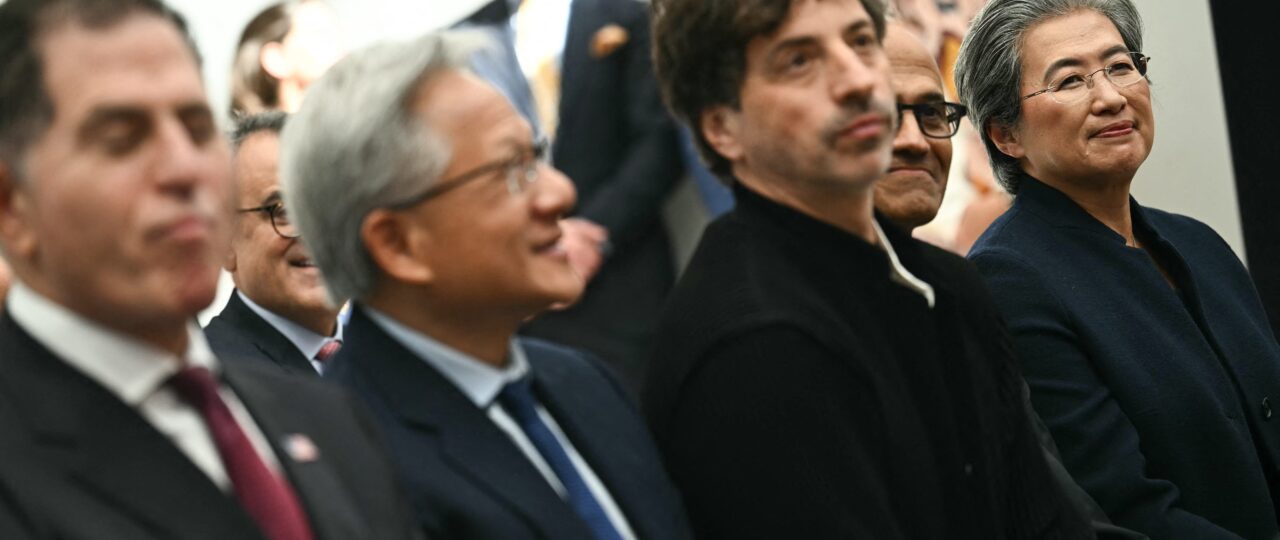
Google cofounder Sergey Brin, former Google CEO Eric Schmidt, Affirm CEO Max Levchin, Stripe CEO Patrick Collison, DoorDash CEO Tony Xu, Kleiner Perkins Chairman John Doerr, and angel investor Chris Larsen collectively poured millions into an opposition campaign. Brin himself donated more than $100 million, per CalMatters.
State campaign-finance filings showed committees opposing Prop. 40 had reported about $130 million in contributions through October 22, versus about $33 million for its supporters.
Meanwhile, tech executives were preparing for the possibility that they’d be asked to pay up.
Brin and fellow Google cofounder Larry Page moved entities tied to them out of California in December, Business Insider first reported.
Meta CEO Mark Zuckerberg weighed moving out of the state. In October, the company announced it was creating a new class of shares that would give Zuckerberg $20 billion in “immediate liquidity,” potentially allowing him to pay the tax without giving up some of his voting power.
But not every billionaire was fazed.
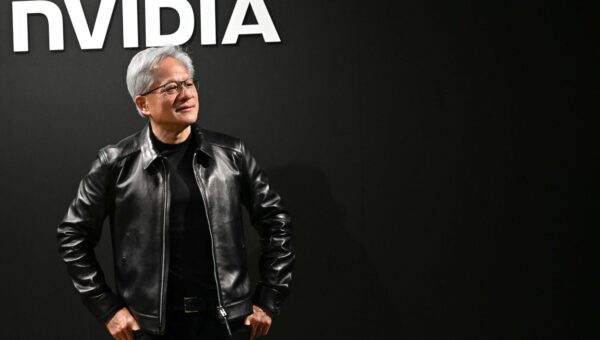
“I’ve got to tell you, I have not even thought about it once,” Jensen Huang, CEO of Nvidia, said during a January spot on Bloomberg TV. “We chose to live in Silicon Valley, and whatever taxes they would like to apply, so be it. I’m perfectly fine with it.”
The vote also split some regular political alliances. Progressive Vermont Sen. Bernie Sanders backed the proposed billionaire tax, while California’s Democratic governor, Gavin Newsom, opposed the measure.
There were multiple paths to “No”
Voters were asked to vote “Yes” or “No” on Prop. 40, but there were additional measures that could’ve negated a “Yes” vote.
Props. 41 and 42 were designed to undercut Prop. 40 by imposing new restrictions on state taxes.
Even if voters had voted in favor of Prop. 40, the billionaire tax could still have been blocked if either measure received a higher number of “Yes” votes.
Billions of dollars were on the line
Under the measure, taxable wealth would’ve included ownership stakes in businesses, securities, investment accounts, art, collectibles, and intellectual property, among other assets. Real estate, pensions, and retirement accounts would generally be excluded.
The tax would’ve been due in 2027, though taxpayers could’ve spread out their payments across five years at a higher cost.
Supporters said the measure would’ve raised over $100 billion for the state. A majority of the proceeds from the tax were to be allocated to healthcare, as well as education, food assistance, and the operation of the tax program. Backers pitched the measure as a way to help backfill looming federal cuts to Medi-Cal.
A National Bureau of Economic Research working paper from Stanford economists, published in October, warned that the results could be much less rosy. The paper said the initial tax event could bring in around $30 billion, but that by prompting high-earning executives to leave the state it could result in a net loss of $38.9 billion.
Read the original article on Business Insider
Discover more from NAIRAVOICE.COM.NG
Subscribe to get the latest posts sent to your email.