The heroes of the DC Universe are naturally more powerful than those of the Marvel Universe, regardless of how hard the Avengers try to keep up with the Justice League. The Justice League and the Avengers are both the ultimate gathering of their respective universes’ greatest superheroes, assembled to save the world and the cosmos no matter what it takes. Both superhero teams have also expanded way beyond their original lineups to include characters whose abilities reach extraordinary levels, to the point that they occasionally become threats themselves.
The enormous popularity of the Marvel Cinematic Universe has introduced millions to some of Marvel Comics’ most extraordinary power feats, although the movies have occasionally simplified or substantially altered the original stories. Thanos’ infamous Snap from The Infinity Gauntlet became a pop culture staple thanks to Avengers: Infinity War, and Scarlet Witch is now famous for her reality-altering abilities thanks to WandaVision and Doctor Strange in the Multiverse of Madness, which have echoed her actions from House of M. Thor has also become synonymous with extraordinary physical strength and divine weaponry, though the God of Thunder has accumulated even bigger feats of power in the Marvel Comics multiverse.
However, Marvel Comics’ characters are inherently a few notches below DC’s characters in terms of power, all thanks to the very nature of both realities.
Superman Explains The DC’s Power Levels Are Dialed Up To Eleven
JLA/Avengers ; Written By Kurt Busiek; Art By George Pérez And Tom Smith
<<img src="https://static0.srcdn.com/wordpress/wp-content/uploads/2026/11/superman-fights-the-avengers-alongside-the-jla.webp?q=70&fit=crop&w=750&dpr=1" />
</figure>
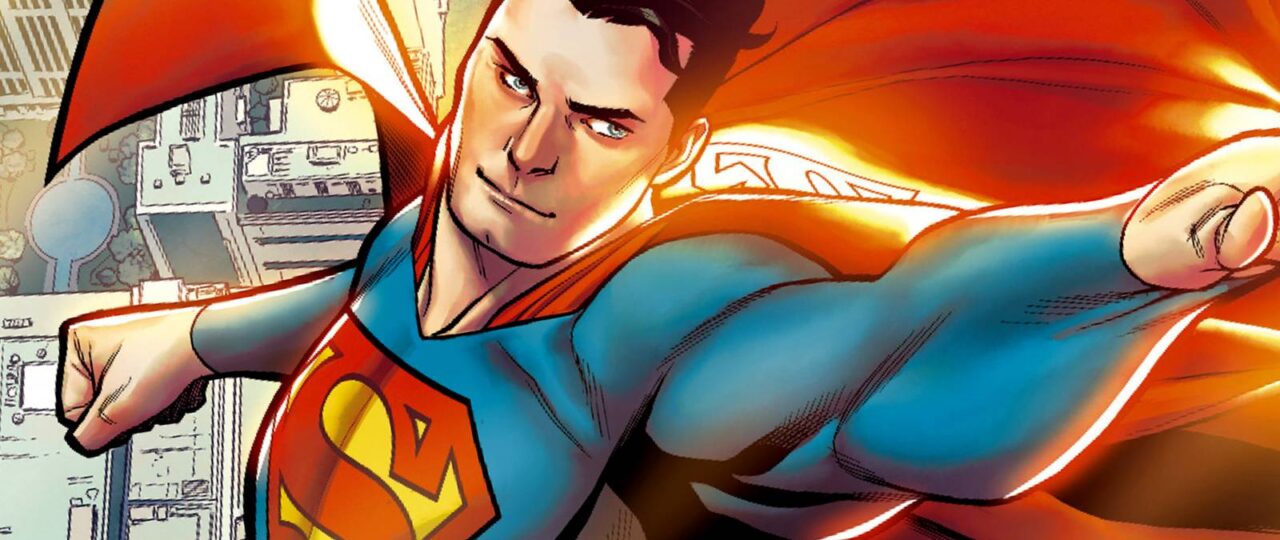
In JLA/Avengers , when Thor unleashes Mjolnir against Superman, the Man of Steel catches the hammer, leading the God of Thunder to ask how it can be possible. Superman responds that “the dials go up to eleven” in his world and delivers a punch that knocks Thor unconscious. Although the Avengers of the time have Scarlet Witch, Vision, Quasar, Ms Marvel, Jack of Hearts, Hercules, and Thor in their ranks, the Justice League easily overshadow Marvel’s mightiest heroes with Superman and Wonder Woman alone, not to mention Martian Manhunter, the Flash, Captain Atom, Aquaman, Green Lantern, and Zatanna.
The DC multiverse also possesses an elaborate hierarchy of increasingly abstract realms, including the Sphere of the Gods, the Monitor Sphere, the Source Wall between realities, and the Overvoid, with entities that exist beyond ordinary space-time and perceive entire universes as comparatively insignificant concepts. Marvel certainly has its own equivalents, including the Living Tribunal, Eternity, the Beyonders, and the One-Above-All, but DC particularly emphasizes the idea of successive planes of existence that transcend everything beneath them. DC takes the concept even further with Darkseid, whose true form exists on a scale so immense that his fall into reality threatens every single timeline across the multiverse.
Individual DC characters have reached absurdly elevated levels. Superman’s Prime One Million and King Omega forms make him virtually invincible, and his Cosmic Armor fusion with Ultraman makes him the physical embodiment of superhero storytelling. The Flash has achieved similar feats, like running so fast he singlehandedly reboots the DC multiverse in Crisis on Infinite Earths, or being so fast he’s basically everywhere at once in Kingdom Come and Ryan North and Gavin Guidry’s 2026 The Flash run. Marvel has certainly produced comparable cosmic spectacles, particularly through the Beyonder, God Emperor Doom, and the Maker’s manipulation of the multiverse, but the scale and effort of their actions is noticeably different.
Raising The Marvel And DC Universes’ Power Levels Is A Recipe For Disaster
Power Bloat Is Increasingly Dangerous To Both Comic Universes
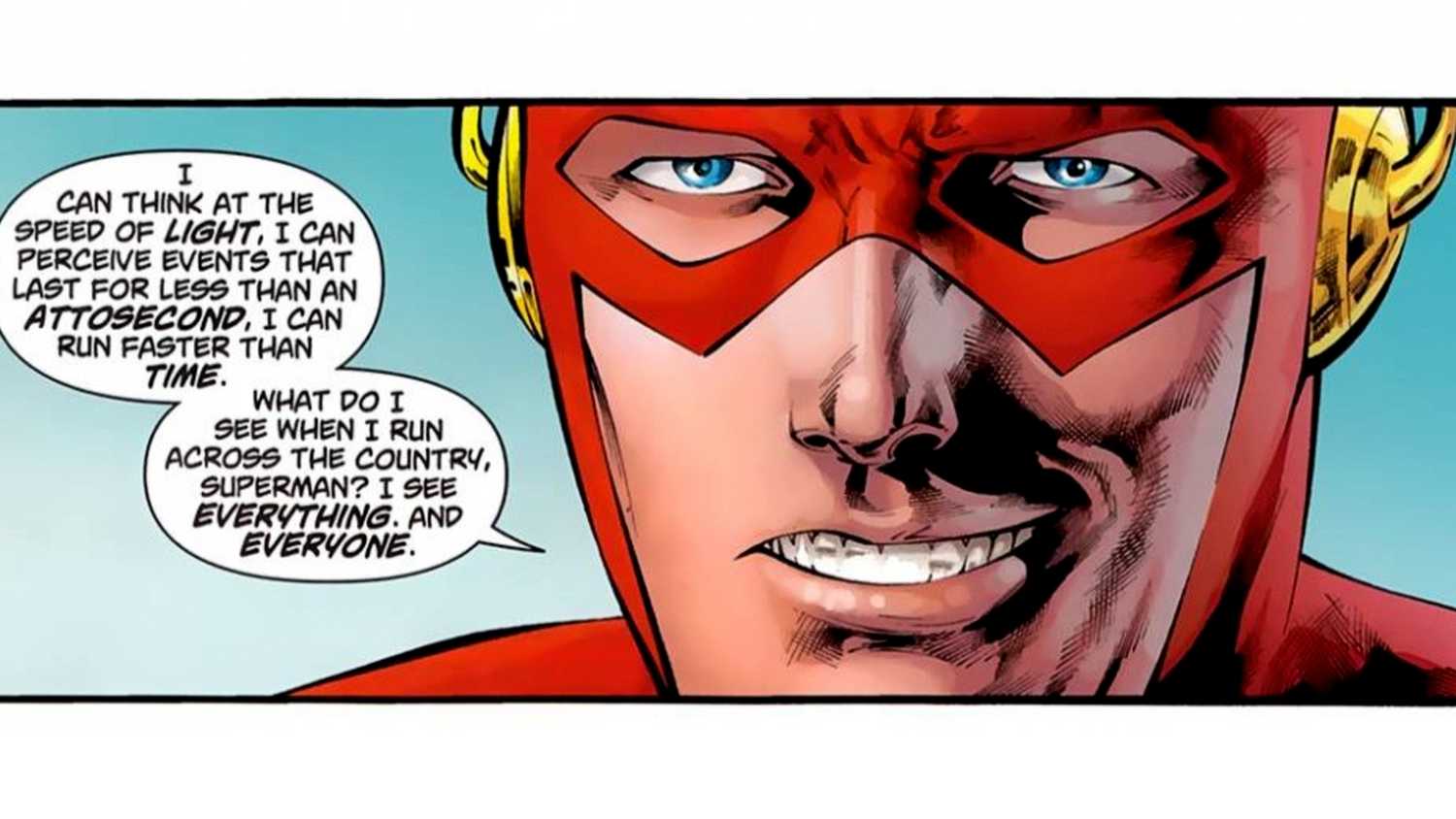
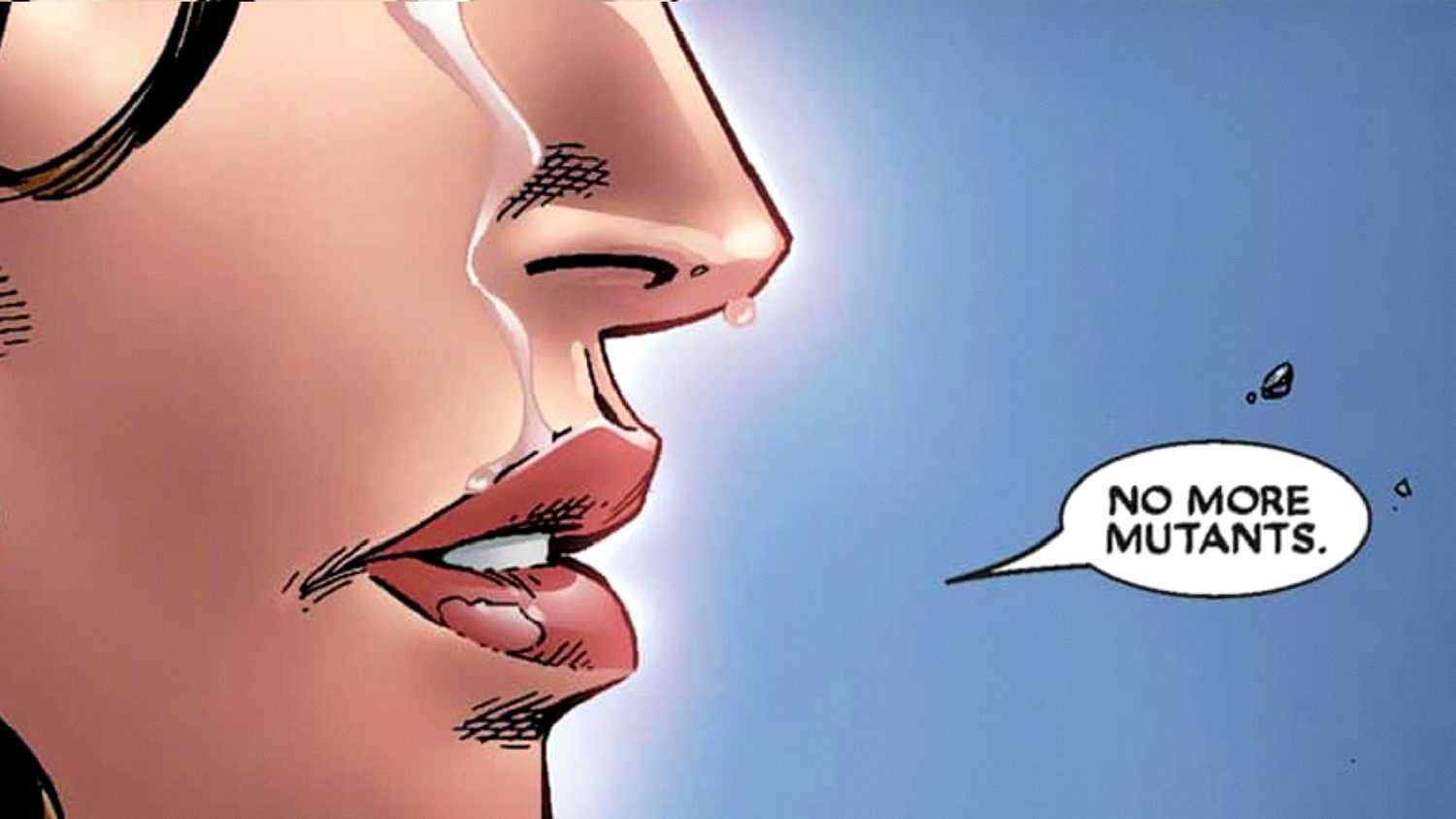
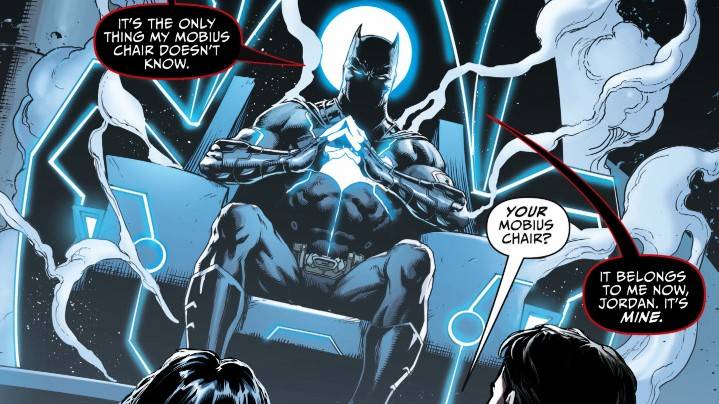
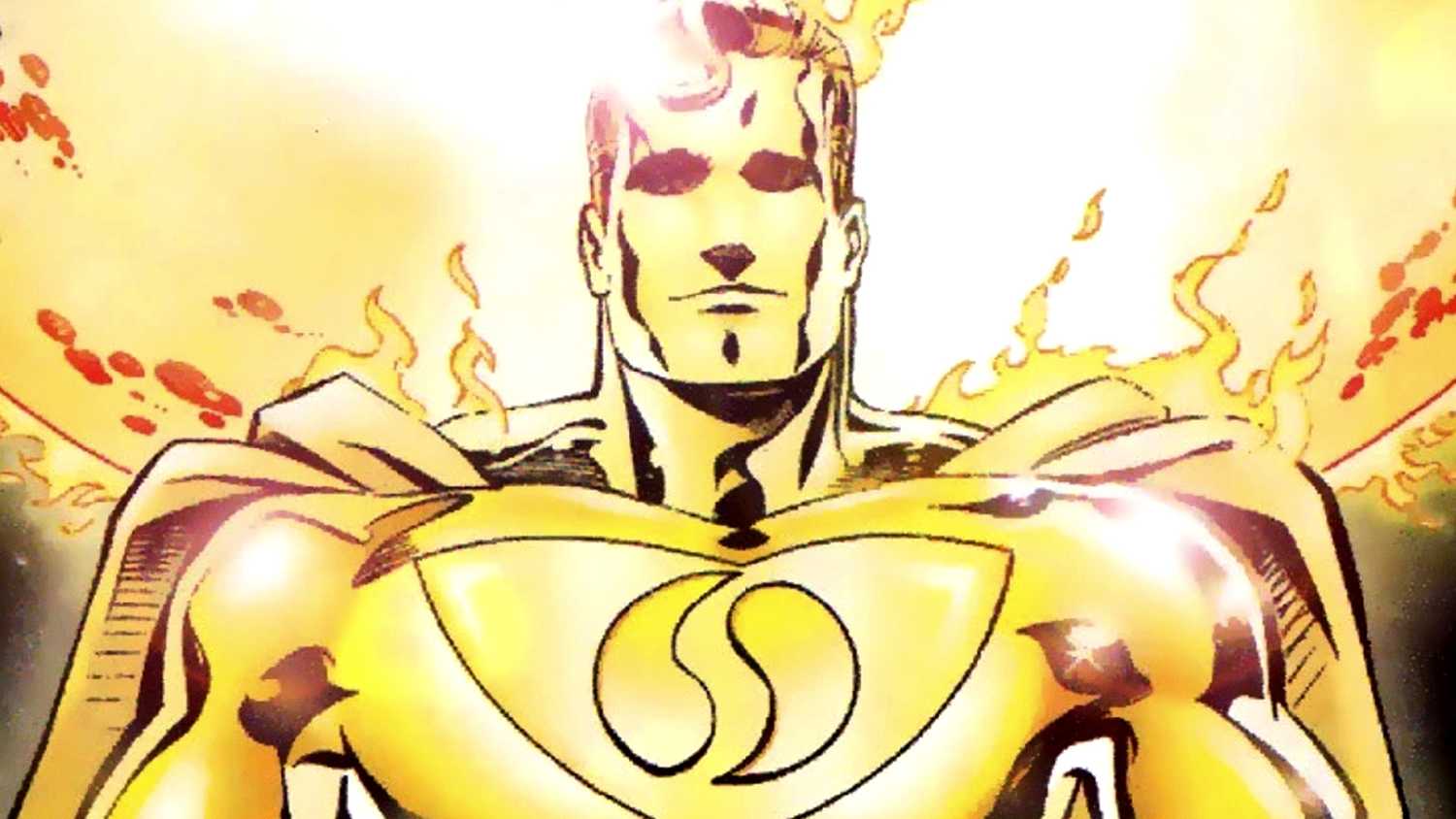
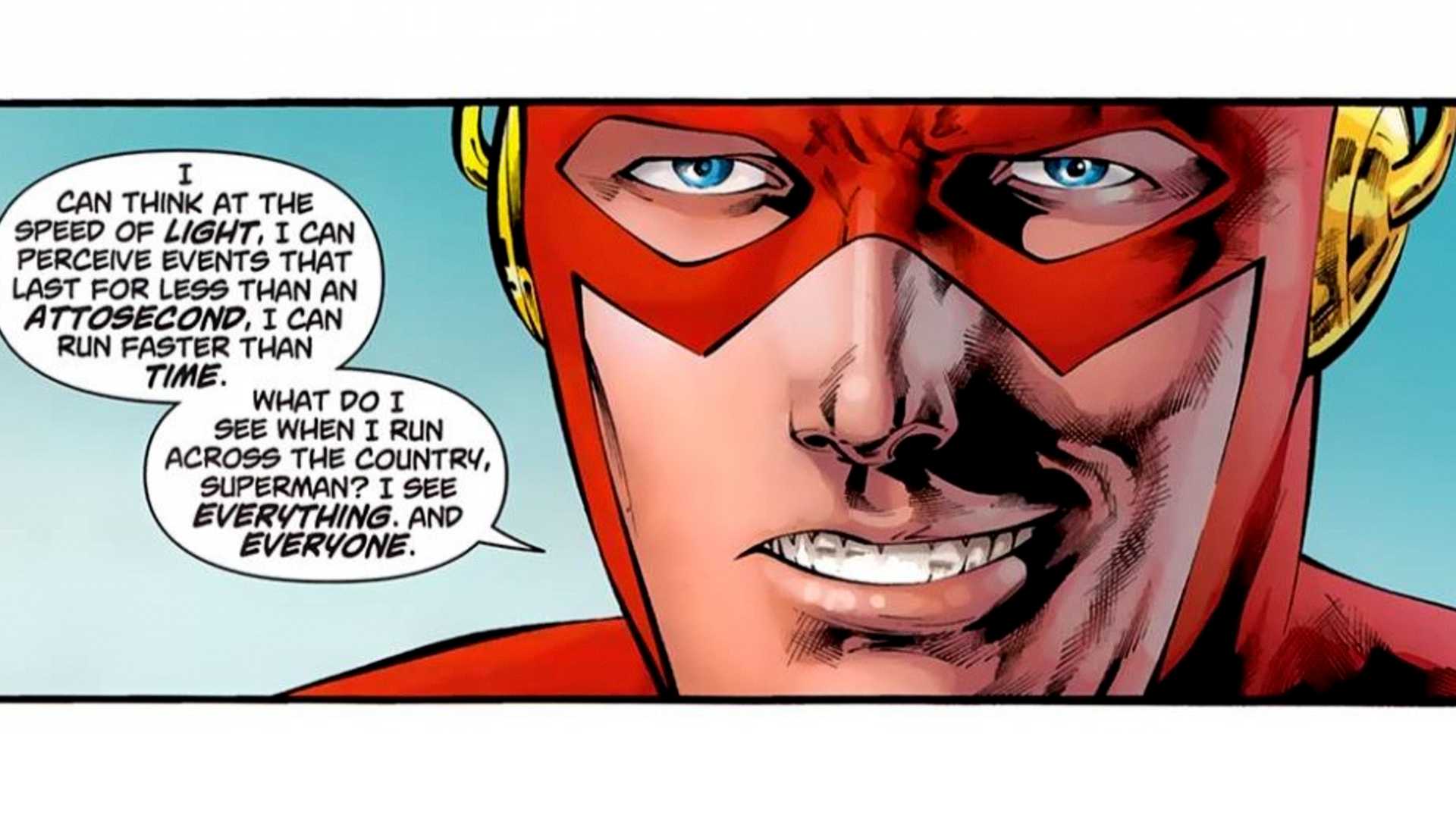
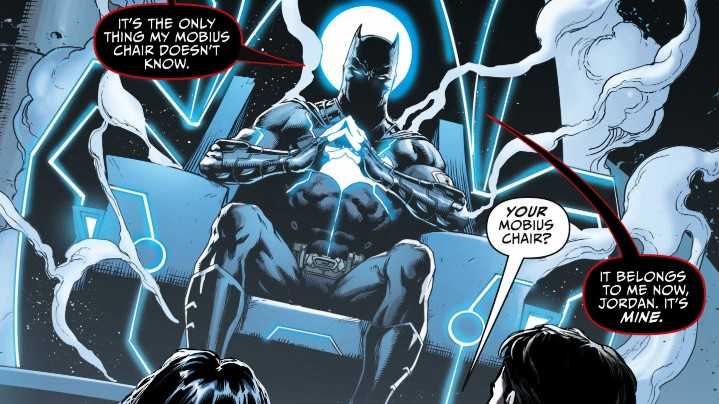
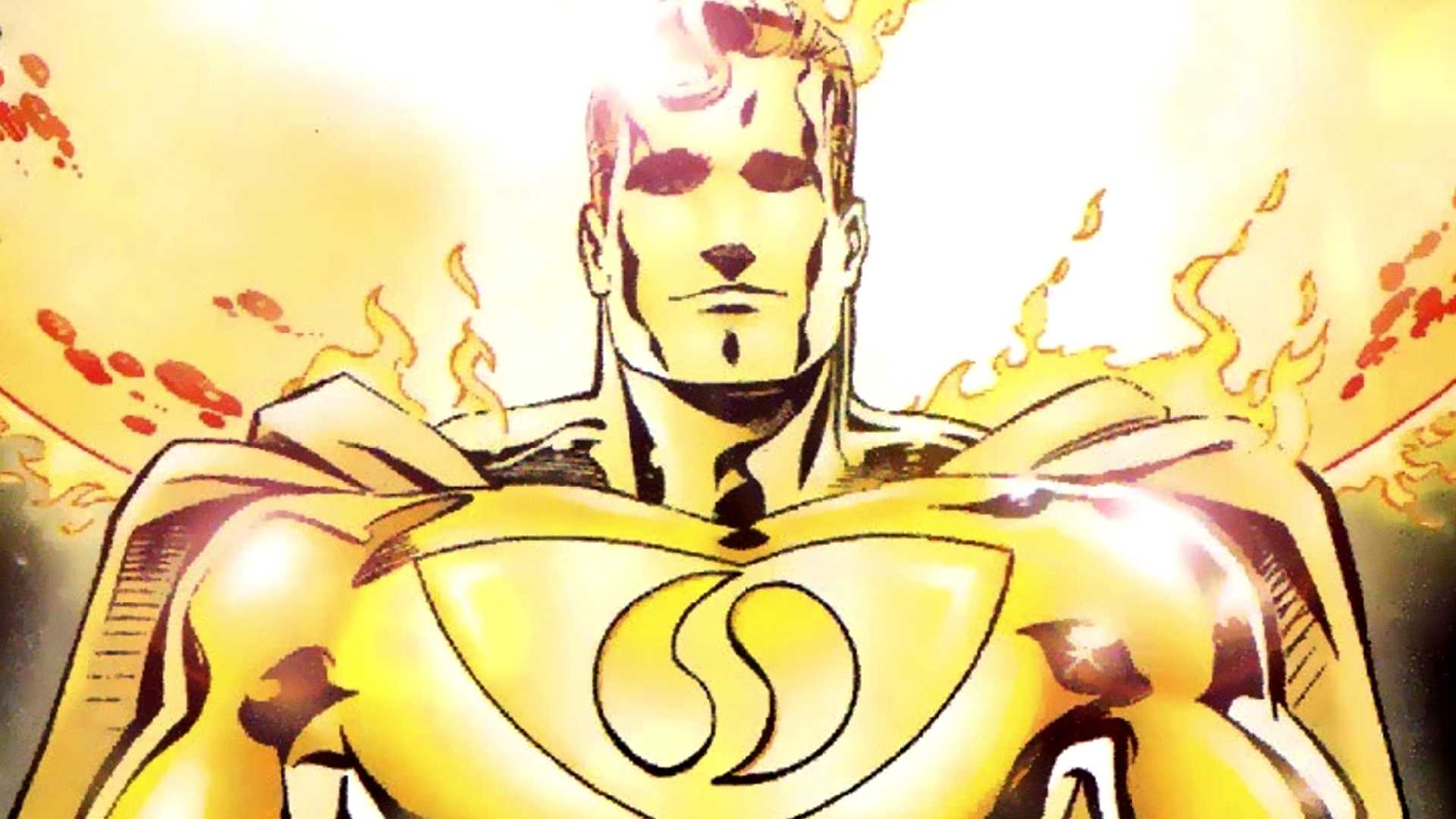
While competition inspires the DC and Marvel Universe to get creative with power levels, focusing too much on them introduces the risk of pushing away what makes each character compelling. For instance, the Flash often claims the title of the fastest speedster in fiction, but in doing so, he also renders every villain and threat inoffensive. If the Flash can solve every problem on Earth and still have time to spare, all the slower speedsters’ adventures automatically become more interesting. Likewise, Batman’s best feats of skill are unforgettable, but they affect his fame as a regular human hero standing shoulder to shoulder with gods.
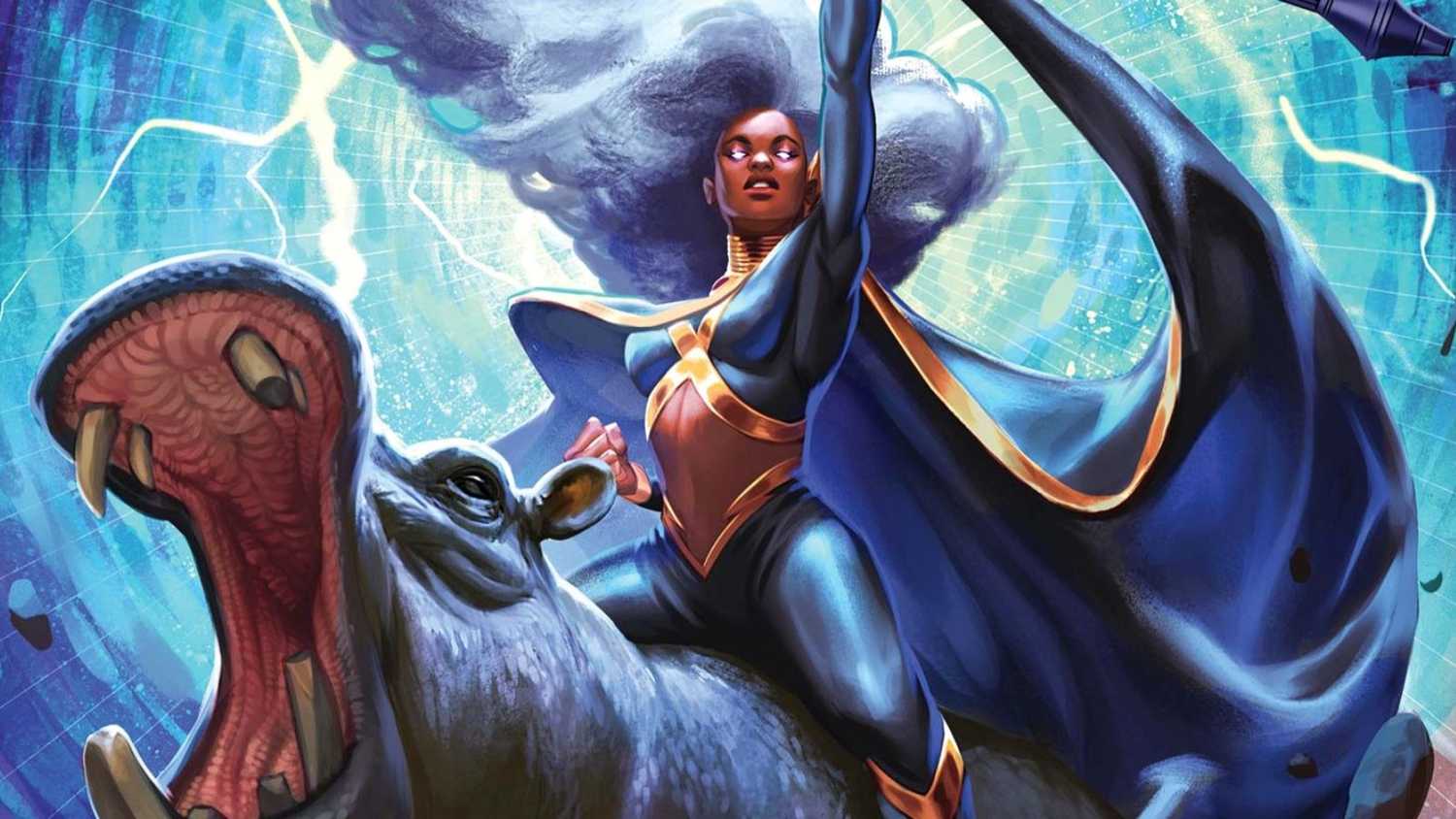
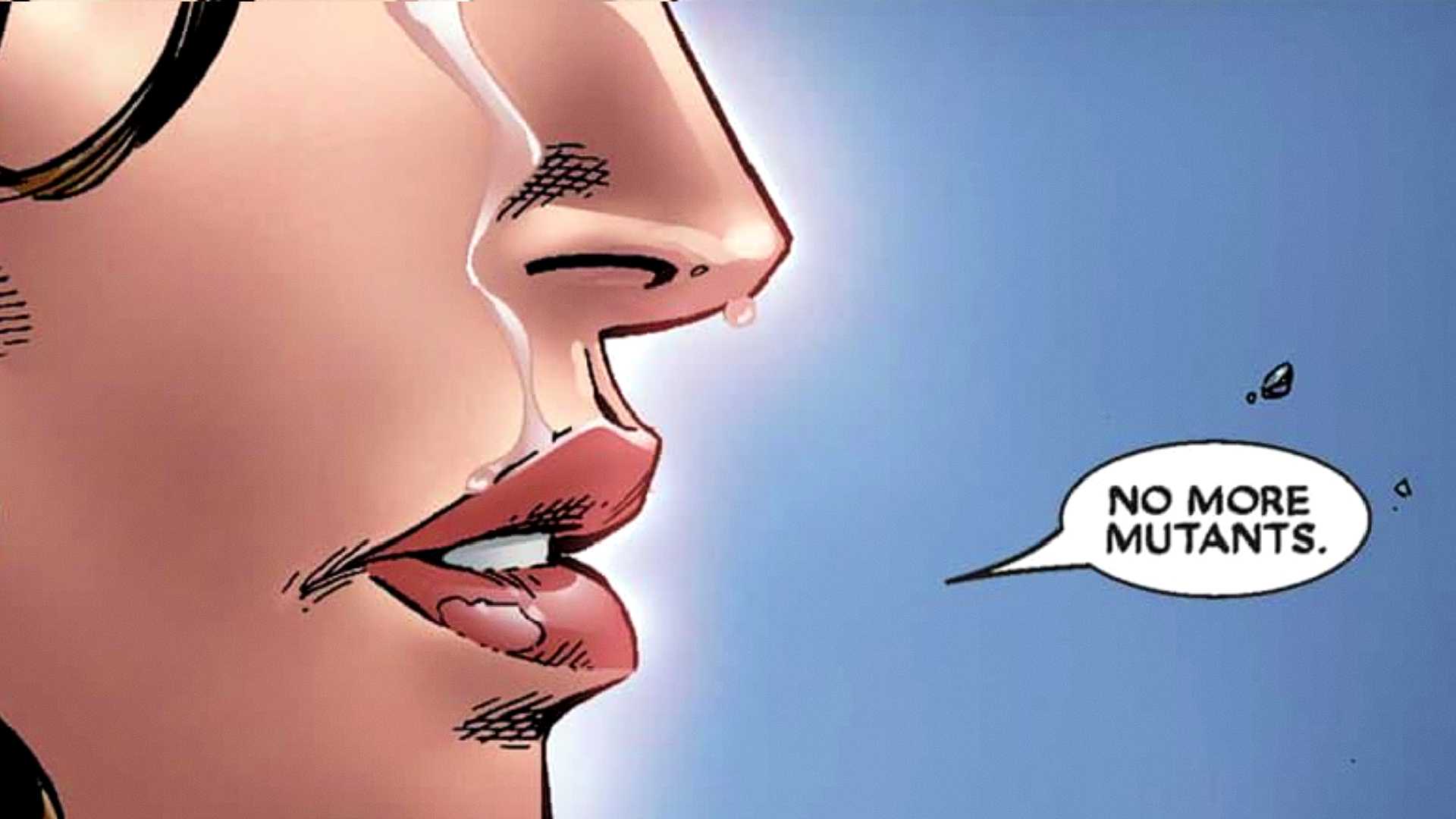
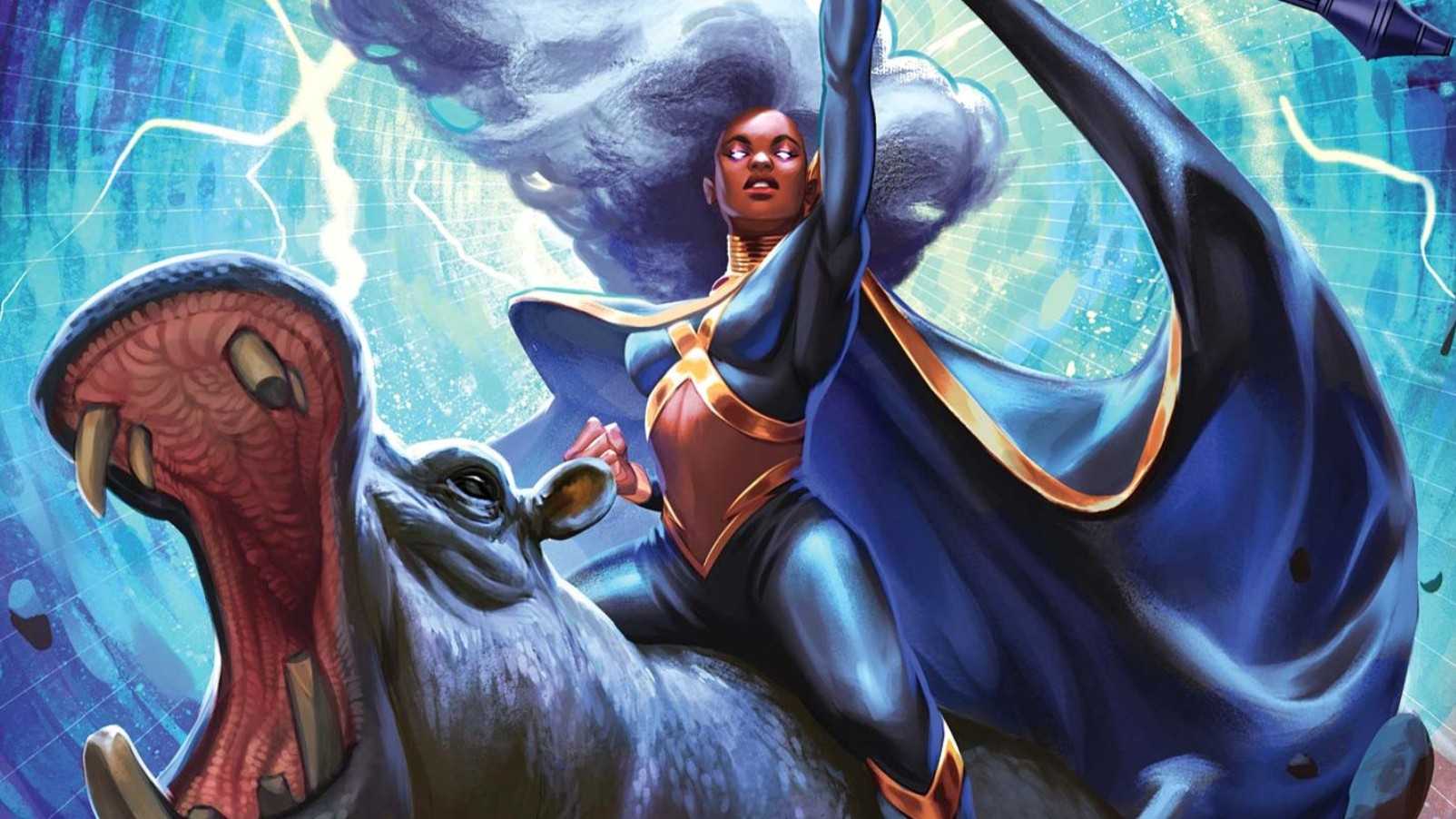
Marvel could try to catch up to DC’s power levels, but the problem remains the same. Storm has earned her place as the most powerful mutant and the most powerful of the thunder gods, even higher in the Marvel Universe’s power rankings than Eternity and Infinity at one point. Yet, Ororo Munroe inevitably needs to lose that power in order to participate in the X-Men’s conflicts without solving all their problems all by herself. Although the DC Universe is naturally stronger than the Marvel Universe, there’s no need for Marvel’s heroes to power up. After all, battles aren’t always won through sheer force alone.
Which comic universe do you think is more powerful?
Discover more from NAIRAVOICE.COM.NG
Subscribe to get the latest posts sent to your email.