

There’s an outbreak of a parasite that causes diarrhea in the US, so you may be wondering if your go-to summer salad is safe.
According to the Centers for Disease Control and Prevention, cyclosporiasis, an intestinal illness caused by a microscopic parasite called cyclospora, has been reported in 31 states since May 1.
It confirmed 843 cases and 86 hospitalizations as of July 9, with a further 1,500 cases under investigation.
People get cyclosporiasis from eating food or water contaminated with human feces, typically during growing, harvesting, and processing.
The source of the current US outbreak is unknown, but in the past, it has been linked to raspberries, basil, cilantro, snow peas, green onions, and mesclun lettuce.
There have not been any product recalls as officials investigate the outbreak.
Local media reported that some Taco Bell restaurants had stopped serving certain items to prevent the bug from spreading.
Outside of business hours, Business Insider asked Taco Bell, McDonald’s, KFC, Starbucks, Chick-fil-A, Wendy’s, Chipotle, Burger King, Subway, and the National Restaurant Association if any procedures had changed in light of the outbreak.
We didn’t immediately receive a response.
Health officials and food safety experts have advised people to consider avoiding eating foods that have been previously linked to the illness, while the outbreak is investigated.
Such foods include lettuce, raspberries, green onions, and herbs.
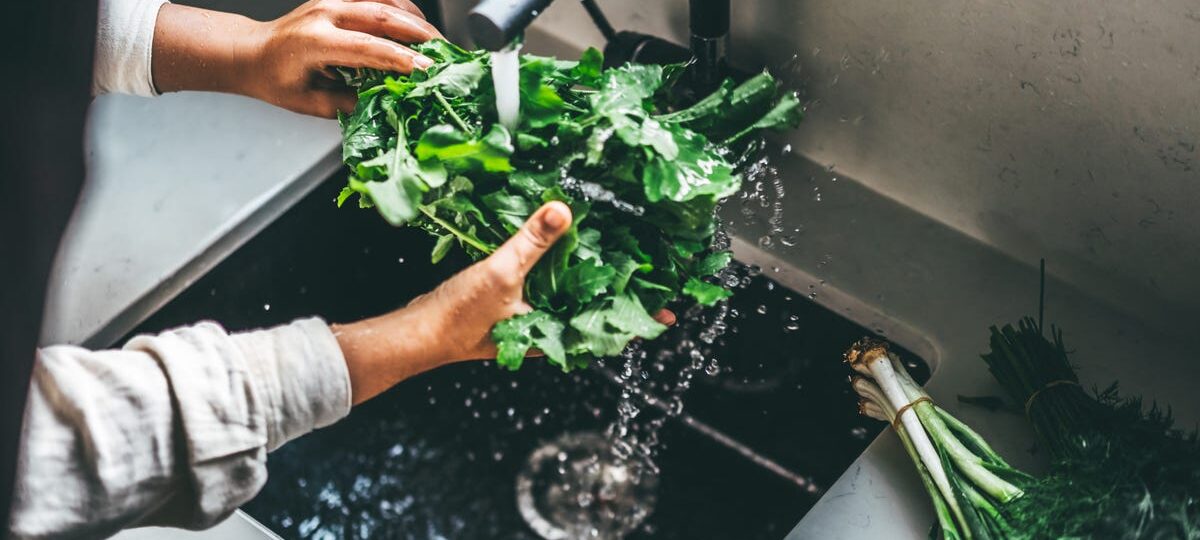
In general, it is advisable to wash, rinse, and scrub produce thoroughly, removing outer leaves where possible.
However, evidence suggests that rinsing or washing fresh fruits and veggies isn’t enough to get rid of cyclospora entirely, as it’s sticky and resistant.
Also try to cook your produce instead of eating it raw, as cyclospora can’t survive in food with an internal temperature of at least 158 degrees Fahrenheit.
It is also important to observe standard food safety rules, such as washing your hands with soap and water before and after handling fresh produce, and regularly cleaning chopping boards and utensils.
Cyclosporiasis usually causes watery diarrhea with frequent and sometimes explosive bowel movements.
Other symptoms can include loss of appetite, weight loss, stomach cramps, bloating, gas, nausea, fatigue, vomiting, body aches, headaches, low-grade fever, and other flu-like symptoms.
The true number of infections is likely much higher as most people are able to recover from the illness at home, and those who do see a doctor may not get tested for cyclosporiasis as it is expensive and involves giving multiple stool samples over a number of days, Katelyn Jetelina, assistant professor adjunct of epidemiology at Yale School of Public Health, wrote in her public health newsletter, Your Local Epidemiologist, July 11.
Not everyone infected with cyclospora experiences symptoms, and they typically only start to appear about a week after exposure to cyclospora, making infections hard to trace.
Severe cases can be treated with antibiotics.
Discover more from NAIRAVOICE.COM.NG
Subscribe to get the latest posts sent to your email.