For years, the announcement of a live-action adaptation of a beloved anime or manga has been enough to make fans nervous. That reaction hasn’t developed without good reason. Too many live-action reimaginings of beloved manga and anime properties have flattened timeless stories into forgettable spectacles, losing the characters and atmosphere that made their source material special. While there are plenty of examples, few are as synonymous with this more frustrating trend than Netflix’s Cowboy Bebop.
Released in 2021, the live-action Cowboy Bebop reimagined the celebrated 1998 anime space western as a generic-feeling sci-fi series about bounty hunters scraping together a living across the solar system. Saying it fell short of expectations barely captures the disappointment, especially given how suited the anime seemed to live-action. Cowboy Bebop may have been a flop, but Netflix didn’t give up on live-action anime adaptions. Two years later, the streamer’s version of Eiichiro Oda’s One Piece arrived, and the outcome couldn’t have been more different.
A fantasy adventure following aspiring pirate king Monkey D. Luffy (Iñaki Godoy) and his growing crew, Netflix’s One Piece embraces a world of impossible abilities, larger-than-life characters, and grand fantasy on a scale only really matched by stories like The Lord of the Rings. Where Cowboy Bebop struggled to justify its existence, One Piece made its appeal immediately clear both as an adaptation of Eiichiro Oda’s manga and a fantasy series in its own right, helping reverse the reputation Netflix was developing for mishandling beloved anime properties in live-action.
Netflix’s One Piece Is Everything Cowboy Bebop Should Have Been
<<img src="https://static0.srcdn.com/wordpress/wp-content/uploads/2025/07/john-cho-as-spike-in-netflix-s-cowboy-bebop.jpg?q=49&fit=crop&w=825&dpr=2" />
</figure>
Netflix’s Cowboy Bebop made the grave mistake of assuming that the aesthetic of the anime was the core of why fans had loved it for decades. The suits, spaceships, and familiar musical identity from the 1998 animated version were present, but its unique blend of melancholy, philosophical depth, and understated comedy weren’t. Dialogue frequently felt like it was trying to be irreverent for irreverence’s sake, while exaggerated performances made its criminal underworld come across as theatrical rather than threatening. Nothing in the live-action Cowboy Bebop felt spiritually true to the anime version.
It wasn’t just the existing story the live-action Cowboy Bebop adapted that was problematic, either. New narrative arcs, like the expansion of the relationship between Vicious (Alex Hassell) and Julia (Elena Satine), completely undermined the careful pacing and plot construction of the anime. Giving their relationship more screen time replaced much of the original’s mystery with prolonged melodrama. Meanwhile, the adventures of Spike (John Cho) and his fellow bounty hunters felt like incidental adventures rather than carefully selected moments that ensured the anime’s emotional revelations hit hard.
The live-action One Piece, on the other hand, approached both loyalty to the source material and the tweaks necessary for translation to live-action flawlessly. Yes, Netflix’s One Piece also makes substantial changes, too, but does so to protect elements of the original story that would otherwise be lost. The tweaks ensure that the Straw Hats’ dreams, loyalties, and developing friendships remain the heart of the story even though the pacing is significantly streamlined.
This is where the true difference between the two is. The live-action Cowboy Bebop made changes to establish itself as different from the original anime, a story that it really didn’t understand the appeal of in the first place. The live-action One Piece made alterations to preserve what made its source material special, and did so from a place of total commitment to keeping the magic of the saga intact.
One Piece Should Have Been Harder To Adapt Than Cowboy Bebop
<<img src="https://static0.srcdn.com/wordpress/wp-content/uploads/2026/03/one_piece_n_s2__00_06_26_13r.jpg?q=49&fit=crop&w=825&dpr=2" />
Courtesy of Netflix</figure>
The success of the live-action One Piece and failure of Netflix’s attempt with Cowboy Bebop is especially fascinating when comparing their source materials. On paper, the outcomes should have been completely reversed. The Cowboy Bebop anime draws heavily from genres that already flourish in live action: westerns, detective thrillers, martial arts movies, space-opera sci-fi, and noir. Its central characters are recognizably human, its technology is largely tangible, and its bounty-hunting setup offers a structure ripe for episodic live-action TV.
Of course, none of that makes adapting Cowboy Bebop easy (as Netflix themselves learned). The anime’s unique style is essential to its identity, which the live-action version discovered the hard way. However, a solid space western was hardly an impossible proposition. If any classic anime could work in live-action, it’s Cowboy Bebop. Nothing in the show is so outlandish or fantastical that it’s impossible to imagine it in any medium other than animation.
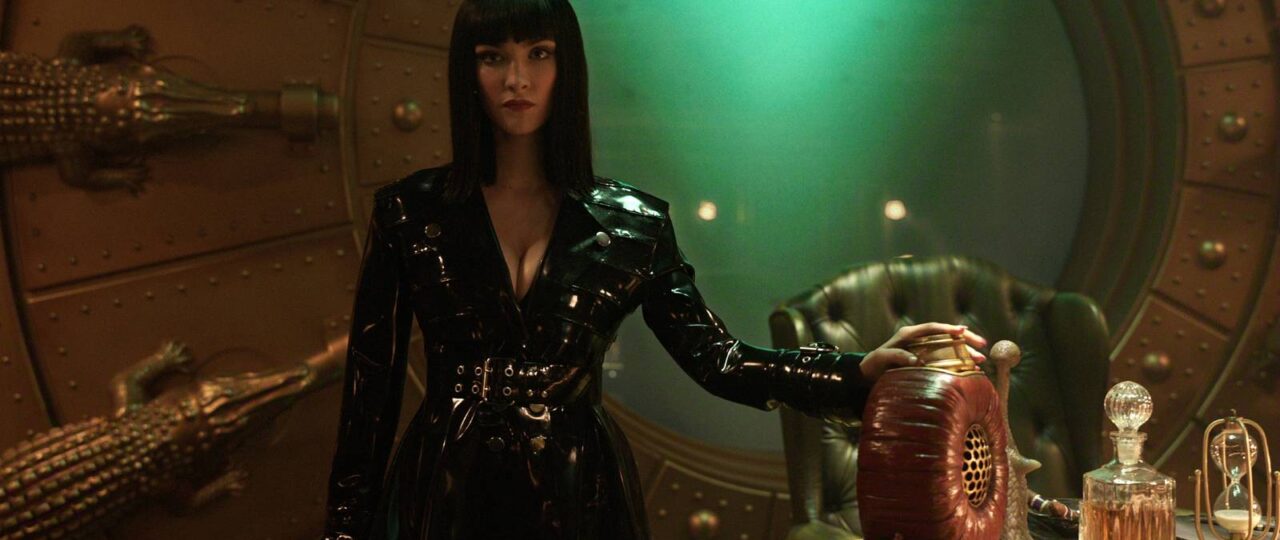
Eiichiiro Oda’s One Piece manga and its anime are the total reverse. Almost nothing in One Piece felt like it would work in a serious live-action show. Luffy stretches like rubber, its world includes elements like fish-human pirates and talking reindeer doctors, and its characters communicate through living snail telephones. It’s bonkers in the best possible way, but also a world that felt like it would be forever chained to the manga/anime format. That is, at least, until Netflix proved otherwise.
This is the genius of the live-action One Piece. It turns the formerly “unadaptable” manga elements into its greatest strengths. The vivid visuals of its many islands and towns mean every scene comes with the sense that viewers should prepare for the extraordinary, while the performances of the cast ensure that even the most bombastic characters feel somehow grounded. Cowboy Bebop had far fewer obstacles, but Netflix’s live-action attempt still failed. The contrasting outcomes prove that the success of any live-action anime depends on understanding what makes its source material compelling rather than recreating the same aesthetic for an unrecognizable story.
One Piece
Discover more from NAIRAVOICE.COM.NG
Subscribe to get the latest posts sent to your email.