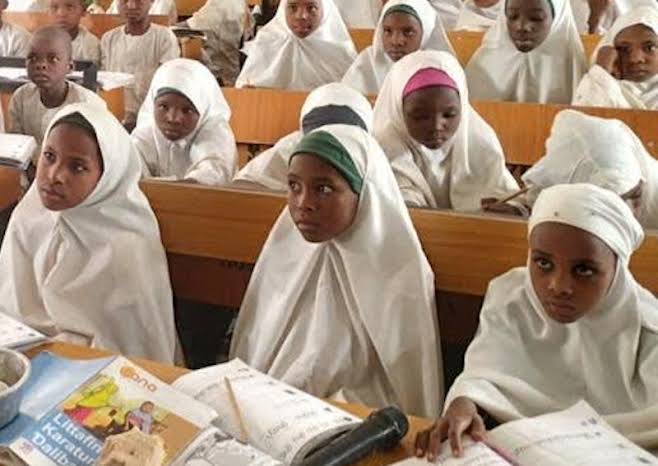
KATSINA, NIGERIA – The World Bank-supported Adolescent Girls Initiative for Learning and Empowerment (AGILE) Project has improved learning conditions for 778,000 students in Katsina State through infrastructure upgrades, digital education, financial assistance and programmes designed to keep adolescent girls in school.
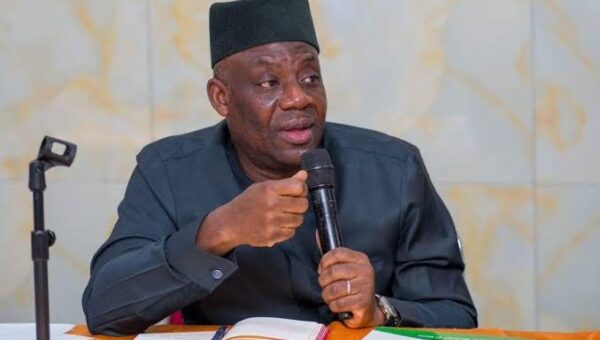
The project coordinator, Abubakar Abdulhamid, disclosed this during a two-day media roundtable on the implementation of the project’s communication strategy in Katsina, organised in collaboration with the state Ministry of Basic and Secondary Education.
Abdulhamid said the initiative, supported by the World Bank and the Katsina State Government, was addressing challenges affecting access to quality education, including inadequate school infrastructure, poor sanitation, insufficient learning materials and barriers preventing girls from continuing their education.
He explained that the project combined investments in school facilities with interventions focused on girls’ empowerment, digital literacy and alternative learning opportunities for those who had dropped out of formal education.
Project Upgrades Schools, Classrooms and Sanitation Facilities
Abdulhamid said the first phase of AGILE initiated the construction of 75 new secondary schools, of which 69 had been completed and handed over. He added that 581 schools received grants to undertake priority improvements based on their needs.
The coordinator disclosed that 3,099 classrooms had been renovated, while another 279 classrooms were newly constructed as part of efforts to improve the physical conditions in which students receive lessons.
Sanitation infrastructure also featured prominently in the intervention, with 5,286 toilets rehabilitated and 747 new facilities constructed.
He said the project had supplied 236,382 student desk sets and 955 teachers’ desks to improve classroom furniture and support teaching and learning activities.
In addition, 401 junior and senior secondary schools had received sports facilities, providing students with resources for physical activities alongside their academic work.
Abdulhamid also reported that fencing had been completed in 19 schools to improve the safety of students and teachers and protect school property.
The infrastructure investments form a major component of the project’s response to the challenges identified in participating schools. By improving classrooms, furniture, sanitation and other facilities, the programme aims to create more suitable environments for teaching and learning.
However, the figures presented by the coordinator reflect reported project outputs, while the extent to which individual interventions have translated into measurable improvements in learning outcomes was not specified at the roundtable.
Life Skills and Mentorship Support for Adolescent Girls
Beyond infrastructure, Abdulhamid said AGILE was implementing programmes to help adolescent girls develop practical skills, build confidence and overcome barriers to continuing their education.
He disclosed that 113,572 girls had enrolled in life skills training, while 50,400 had completed the Safe Space programme curriculum.
The programme was operating in 161 secondary schools and was supported by 824 trained mentors working with participating girls.
The mentorship component is designed to provide girls with guidance and support as they navigate educational and personal challenges. Life skills training also forms part of the project’s broader approach to helping adolescent girls remain in school and prepare for future opportunities.
Abdulhamid said the project recognised that improving school facilities alone might not be sufficient to address all the obstacles confronting girls, particularly where household financial pressures and other social challenges affect their ability to continue their education.
He added that the initiative had also provided conditional cash transfers to 104,111 schoolgirls to ease financial pressures on their families and encourage parents to keep their daughters in school.
The financial support is intended to reduce some of the costs associated with schooling and strengthen families’ ability to support girls’ continued participation in education.
The coordinator said the project was also introducing Alternative Learning Spaces for girls who had dropped out of formal education, giving them opportunities to resume learning and acquire practical skills.
Digital Education Expands Across Secondary Schools
Abdulhamid said AGILE had extended digital learning opportunities to secondary schools through the provision of information and communication technology facilities, internet connectivity and solar power systems.
He disclosed that 200 secondary schools had received ICT facilities, internet access and 10-kilovolt-ampere solar power systems to support technology-assisted teaching and learning.
The coordinator added that 71,132 students had enrolled in digital literacy training, while 730 teachers had received training to promote the use of technology in classroom instruction.
The provision of solar power systems is intended to support the use of digital facilities in participating schools, while teacher training is aimed at helping educators incorporate technology into their teaching practices.
The digital component complements the project’s infrastructure investments by focusing on access to learning resources and the skills required to use them.
Abdulhamid did not provide details on the frequency of internet access, the availability of devices for individual students or the proportion of trained teachers actively using digital tools in their classrooms.
Alternative Learning Centres Target 21,000 Girls
The project is also planning to establish 77 alternative learning centres across Katsina’s 34 local government areas, targeting 21,000 adolescent girls who have left formal education.
Abdulhamid said 10 centres had been identified, while approximately 1,000 girls had commenced learning under the pilot phase.
He explained that the centres would provide foundational literacy, numeracy, livelihood skills and life skills to help participants rebuild their confidence and improve their economic prospects.
The programme is intended to create an alternative route to learning for girls who might otherwise remain excluded from educational opportunities after leaving school.
By combining basic academic instruction with practical and life skills, the centres are expected to support beneficiaries in developing competencies that could help them pursue further learning and livelihood opportunities.
The planned expansion across all 34 local government areas would extend the intervention beyond the initial pilot locations, although the coordinator did not specify a completion timeline for all 77 centres.
Abdulhamid said the different components of AGILE were designed to address interconnected challenges affecting girls’ education, from poor school infrastructure and financial constraints to limited access to digital learning and opportunities for those who had dropped out.
The project continues to combine school improvements, teacher training, mentorship, cash transfers and alternative learning arrangements as part of its efforts to expand educational access in Katsina State.
Discover more from NAIRAVOICE.COM.NG
Subscribe to get the latest posts sent to your email.